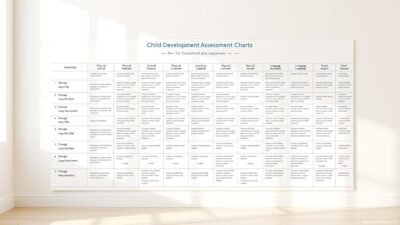

How can parents and educators spot normal childhood growth versus behaviors needing professional help? Understanding child development patterns helps support every child’s unique journey.
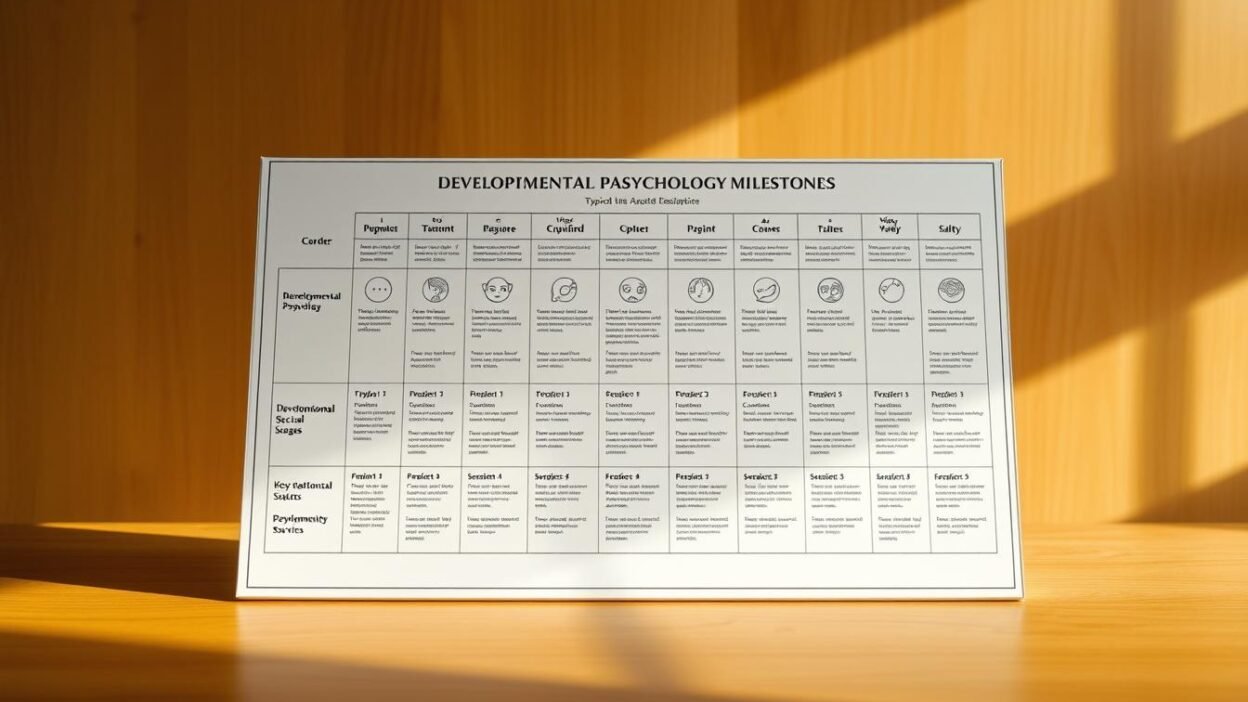
Children usually follow a predictable growth sequence. They gain specific skills within recognized timeframes. These markers are called developmental milestones.
Professionals use these milestones to check if a child progresses as expected. Skills like walking, talking, and social interaction emerge in established patterns. Researchers have documented these patterns across diverse populations.
Not all children follow the same timeline. Some show behaviors and gain abilities differently from their peers. These variations exist along a continuum.
Developmental psychology recognizes both temporary delays and significant differences. Some differences may indicate a need for intervention. Understanding this spectrum helps caregivers identify natural individuality versus patterns requiring specialized support.
Tracking developmental milestones is essential for understanding a child’s growth, readiness, and support needs. The Developmental Milestones section provides structured age-wise charts and expert-backed guidance to help parents identify progress or delays with clarity. To complement this understanding, the Special Needs Awareness category offers detailed information on early signs of developmental challenges, helping families recognize when additional assessment may be necessary. When milestones impact learning or academic performance, readers can explore the Learning Disabilities section for targeted strategies and classroom support ideas. For emotional, cognitive, and behavioural insights related to child development, PsyForU.com offers evidence-based explanations. And for parents wanting to build healthier routines, reduce overwhelm, and develop intentional parenting practices, IntentMerchant.com provides powerful tools rooted in behavioural psychology. These interconnected resources support a holistic view of child development, enabling parents to track, understand, and nurture growth at every stage.
Key Takeaways
- Childhood growth follows a generally predictable sequence with recognized behavioral markers called milestones
- Developmental milestones encompass physical, cognitive, social, emotional, and language competencies
- Not all children progress at identical rates; variation exists along a continuum of growth patterns
- Professionals use milestone achievement to distinguish between expected progression and concerning deviations
- Understanding the difference between temporary delays and significant variations helps determine when intervention may be beneficial
- Both typical and atypical patterns represent important frameworks for supporting each child’s unique needs
Understanding Typical Development Patterns
Children progress through well-documented stages of development. These stages serve as guideposts for healthy growth across multiple domains. These patterns of normal childhood development follow consistent sequences.
Understanding these trajectories provides essential context. It helps distinguish typical variations from potential developmental concerns.
The study of developmental milestones reveals how children systematically build upon earlier abilities. They achieve increasingly complex competencies over time. Each developmental domain operates according to predictable timelines while allowing for individual variation.
These domains include physical, cognitive, language, social, and emotional development. This framework acknowledges that children develop at different rates. However, they still follow recognizable patterns.
Recognizing typical development patterns empowers caregivers. They can provide appropriate support and stimulation at each stage. The progression from simple to complex abilities reflects underlying neurological maturation.
Key Milestones in Early Childhood
At four years of age, children demonstrate remarkable advances. These advances occur across all areas of normal childhood development. Social and emotional capabilities expand significantly during this period.
Four-year-olds typically engage in creative make-believe play. This play reflects their growing imagination and symbolic thinking abilities. They prefer playing with other children rather than alone.
They demonstrate emerging skills in cooperation and turn-taking. These social competencies lay the foundation for more complex peer relationships.
Language and communication developmental milestones at age four include mastery of basic grammar rules. Children can construct coherent narratives at this age. They can sing songs or recite poems from memory.
Children can tell simple stories and state their first and last names with confidence. This linguistic facility enables them to express needs and share experiences. They can participate meaningfully in conversations.
Cognitive achievements at four years encompass the ability to name colors and numbers. Children understand counting principles and grasp temporal concepts like “yesterday” and “tomorrow.” They begin to comprehend comparative concepts such as “same” and “different.”
This reflects growing analytical thinking. Their drawings evolve to include persons with two to four body parts. This demonstrates improving fine motor control and representational abilities.
Physical developmental milestones include using scissors with increasing precision. Children can copy capital letters and play simple board games that require following rules. Movement capabilities advance to include hopping and standing on one foot.
They can catch bounced balls with improved coordination. Self-care abilities expand as children learn to pour liquids. They can cut soft foods with appropriate utensils.
By five years of age, children typically exhibit further refinement of skills. This refinement occurs across all developmental domains. Social motivation intensifies as children express strong desires to please friends.
They show genuine concern for others’ feelings. This empathetic awareness marks an important transition in emotional development.
Language clarity improves dramatically. Five-year-olds speak very clearly and construct full sentences to tell simple stories. Their vocabularies expand rapidly.
They use language flexibly to express complex ideas. They ask questions and negotiate with peers effectively.
Cognitive and physical abilities continue advancing. Children count ten or more objects accurately. They draw persons with at least six body parts and print letters or numbers.
Balance improves significantly. Children can stand on one foot for ten seconds or longer. Independence in self-care reaches new levels.
Most five-year-olds use the toilet independently. They manage other personal hygiene tasks with minimal assistance.
Cognitive Development Stages
Cognitive development during early and middle childhood involves more than simple accumulation of facts. Children’s thinking evolves from concrete, perceptually-bound reasoning. It moves toward increasingly abstract and flexible mental operations.
This transformation enables children to organize information and recognize patterns. They can solve problems with growing sophistication.
Between ages four and five, children transition from basic recognition of colors, shapes, and numbers. They begin understanding the relationships between these elements. They start to classify objects according to multiple attributes.
They recognize that quantities remain constant despite changes in appearance. These cognitive shifts reflect maturation of prefrontal cortex regions. These regions are responsible for executive functions.
The progression in representational abilities becomes evident through increasingly detailed drawings. More elaborate pretend play scenarios also emerge. Four-year-olds who draw simple stick figures evolve into five-year-olds capable of creating recognizable human forms.
This advancement demonstrates both improved fine motor control and enhanced mental representation. It shows understanding of spatial relationships.
Strategic thinking emerges as children engage with board games and puzzles. These activities require planning and rule-following. They promote development of working memory, inhibitory control, and cognitive flexibility.
These are core components of executive function. The ability to hold multiple pieces of information in mind represents a crucial milestone. This occurs in normal childhood development.
As children progress into the six to eight year range, cognitive processing skills develop rapidly. Attention spans lengthen, allowing for sustained focus on academic tasks. Memory strategies become more sophisticated.
Children learn to rehearse information and use organizational techniques. These techniques enhance recall and learning efficiency.
The capacity to think about future events and consequences emerges during this period. This enables children to engage in rudimentary planning and goal-setting. This temporal perspective supports developing self-regulation.
It supports the ability to delay gratification in service of longer-term objectives.
Social and Emotional Growth
Social and emotional development encompasses children’s evolving capacity to form relationships. It includes understanding emotions and navigating social expectations. It also involves developing self-awareness.
These competencies emerge progressively. Children move from the egocentric perspective of early childhood. They shift toward the more socially attuned orientation of middle childhood.
At age four, children begin distinguishing between reality and fantasy with greater consistency. Imaginative play remains a dominant mode of engagement. They cooperate with peers during play activities.
They show emerging awareness of social rules governing turn-taking and sharing. These early social skills require ongoing practice and adult guidance to solidify.
Emotional regulation capabilities expand. Four- and five-year-olds develop better control over impulses. They learn to express feelings through words rather than physical actions.
They become increasingly capable of identifying their own emotional states. They also recognize emotions in others—a foundation for empathy development.
By age five, children typically demonstrate genuine concern for others’ wellbeing. They actively seek to please friends and caregivers. This prosocial motivation reflects growing understanding that relationships require mutual consideration.
Friendships become increasingly important. They serve as sources of support, enjoyment, and identity formation.
The transition into middle childhood, between ages six and eight, brings intensified focus on peer relationships. Children show greater independence from parents. They simultaneously develop loyalty to friendship groups.
They become more aware of social hierarchies and group dynamics. This occurs within classroom and neighborhood settings.
Understanding of social norms becomes more sophisticated. Children recognize that different contexts require different behaviors. They develop increasing capacity to take others’ perspectives.
They adjust their communication styles accordingly. These social-cognitive advances support more complex collaborative activities and deeper friendships.
Emotional awareness continues developing. Children gain vocabulary to describe nuanced feeling states. They learn strategies for managing difficult emotions.
They become more adept at reading social cues. They respond appropriately to others’ emotional signals—skills essential for successful social integration.
| Developmental Domain | Age 4 Milestones | Age 5 Milestones | Ages 6-8 Progression |
|---|---|---|---|
| Social-Emotional | Enjoys new activities, engages in make-believe play, prefers playing with peers, cooperates during activities | Wants to please friends, shows concern for others, demonstrates empathy, distinguishes real from pretend | Shows independence from parents, focuses on friendships and teamwork, understands social context |
| Language-Communication | Uses basic grammar, sings songs from memory, tells stories, states full name | Speaks very clearly, tells stories using full sentences, uses complex vocabulary, asks detailed questions | Reads independently, writes coherent paragraphs, engages in extended conversations, understands figurative language |
| Cognitive | Names colors and numbers, understands counting, grasps time concepts, recognizes same/different, plays board games | Counts 10+ objects, understands number operations, draws detailed figures, prints letters/numbers | Solves multi-step problems, thinks about future, applies logic, demonstrates strategic thinking |
| Physical-Motor | Hops and stands on one foot (2 seconds), catches bounced balls, uses scissors, copies letters, pours and cuts food | Stands on one foot (10+ seconds), demonstrates refined fine motor control, performs self-care independently | Rides bicycle, participates in organized sports, writes fluently, demonstrates coordination in complex movements |
Defining Atypical Development
Understanding developmental disorders begins with identifying patterns of growth that deviate from typical milestones. Atypical development describes behaviors and abilities that fall outside the expected range for a child’s age. These patterns may show as delays in skill acquisition or complete absence of competencies.
The distinction between normal variation and clinically significant neurodevelopmental differences requires careful observation across multiple domains. Children exhibiting atypical development may progress at different rates or demonstrate skills in ways that diverge from norms. This divergence warrants professional evaluation when the gap between chronological age and functional ability becomes substantial.
Recognizing Developmental Deviations
Children with developmental disorders display distinct characteristics that separate their growth trajectories from typical patterns. These characteristics emerge across social, cognitive, language, and physical domains. The manifestation of atypical development varies considerably based on the specific area of concern.
Social withdrawal represents a significant marker of potential neurodevelopmental differences. Some children remain isolated or interact only superficially with others outside their immediate family. This pattern becomes particularly concerning when children actively ignore peers or demonstrate no interest in collaborative play.
Language development provides another critical indicator of atypical patterns. Consider the case of Tomás, who at six-and-a-half years communicates only through two- to three-word sentences. His limited verbal expression falls significantly below age expectations.
He follows only single-step directions and requires substantial physical assistance with basic self-care tasks. Tomás also demonstrates physical delays in activities such as catching a ball and hopping. His developmental profile illustrates how neurodevelopmental differences often affect multiple domains simultaneously.
Regression presents another troubling characteristic of atypical development. Some children lose previously acquired skills rather than building upon foundational competencies. This loss of function signals potential underlying neurological concerns that demand immediate professional attention.
Behavioral regulation challenges exemplify another dimension of developmental disorders. Leev, an eight-year-old child, displays frequent aggression without apparent provocation. His severe behavioral outbursts require constant adult supervision to ensure safety.
Leev’s educational needs include a modified curriculum delivered through small group or one-on-one instruction. His cognitive assessment reveals an IQ with subtest scores below 70. This profile demonstrates how behavioral, social, and cognitive challenges intersect in complex cases.
Categories of Neurodevelopmental Concerns
Several distinct types of developmental disorders affect children’s growth trajectories. Each category presents unique characteristics and intervention requirements. Understanding these classifications helps professionals and families identify appropriate support strategies.
- Specific Learning Disabilities: These conditions affect academic skill acquisition in reading, writing, or mathematics despite average or above-average intelligence. Children struggle to master age-appropriate educational content in targeted areas.
- Communication Disorders: Language comprehension or expression becomes significantly impaired, affecting both receptive understanding and expressive communication abilities. These challenges impact social interaction and academic performance.
- Motor Coordination Difficulties: Physical clumsiness or delayed achievement of motor milestones characterizes this category. Children may struggle with fine motor tasks like writing or gross motor activities like running and jumping.
- Behavioral and Emotional Regulation Challenges: Extreme emotional responses, unprovoked aggression, or inability to manage behavioral impulses define this type. These patterns disrupt social relationships and learning environments.
- Intellectual Disabilities: Significantly below-average cognitive functioning across multiple domains characterizes this category. Children demonstrate limitations in both intellectual capacity and adaptive functioning.
Each type of neurodevelopmental difference requires tailored assessment and intervention approaches. The complexity increases when children present with multiple co-occurring conditions. Comprehensive evaluation becomes essential for developing effective support plans that address individual needs.
Age-Specific Warning Indicators
Specific warning signs emerge at different developmental stages, signaling potential developmental disorders that warrant professional evaluation. Parents, educators, and healthcare providers must recognize these indicators to facilitate early intervention. The timing of concern varies, but certain patterns consistently suggest atypical development.
At four years of age, several warning signs indicate possible neurodevelopmental differences. Children who ignore other children or fail to respond to people outside the family demonstrate concerning social patterns. Speech clarity becomes an issue when others cannot understand the child’s words.
| Age | Social-Emotional Concerns | Language Indicators | Cognitive and Motor Signs |
|---|---|---|---|
| 4 Years | Ignoring peers, not responding to non-family members, showing no interest in interactive games | Speaking unclearly, incorrect pronoun usage, inability to retell favorite stories | Not following three-part commands, cannot understand “same” and “different,” trouble scribbling, inability to jump in place |
| 5 Years | Usually withdrawn and inactive, superficial responses, not showing wide emotional range | Not discussing daily activities, improper use of plurals and past tense, cannot give full name | Easily distracted with |
Four-year-olds who cannot retell a favorite story demonstrate memory and language integration challenges. The inability to follow three-part commands suggests processing difficulties. Regression—losing skills once possessed—always raises serious developmental concerns requiring immediate evaluation.
By five years, additional warning signs become evident. Children who remain withdrawn and inactive miss critical social learning opportunities. Responding only superficially to others indicates shallow engagement rather than meaningful connection.
Language expectations increase at this age, making improper use of plurals and past tense concerning. Five-year-olds typically provide both first and last names when asked. The inability to do so signals possible cognitive or language delays.
Drawing represents an important developmental milestone that integrates visual-motor skills and cognitive planning. Children who cannot produce pictures at five years may exhibit fine motor coordination problems. Self-care independence becomes expected at this age, so requiring constant assistance suggests developmental disorders affecting adaptive functioning.
These concrete indicators provide families and professionals with observable criteria for determining when comprehensive developmental assessment becomes necessary. Early identification of neurodevelopmental differences enables timely intervention, which significantly improves long-term outcomes. Recognition that development proceeds along individual timelines must be balanced against awareness that substantial deviations require professional expertise.
Importance of Developmental Milestones
Milestones are more than simple checkpoints. They reveal the complex nature of child growth patterns and pediatric development stages. These behavioral markers emerge systematically over time, creating building blocks that support sophisticated abilities.
The framework helps professionals and caregivers distinguish between normal developmental variation and patterns requiring intervention. Understanding milestones transforms abstract concepts of development into observable, measurable phenomena. This systematic approach tracks whether children achieve specific skills and evaluates timing, sequence, and functional quality.
The Foundation of Developmental Understanding
Developmental milestones matter because they scaffold the entire architecture of human capability. Each achieved competency creates the foundation for subsequent abilities. This establishes a sequential progression that characterizes typical child growth patterns.
Early language comprehension enables later conversational competence. Basic motor control progresses toward refined coordination required for writing and athletic activities. The standardized framework serves multiple essential functions.
It enables professionals to identify whether children’s development falls within expected parameters or signals potential concerns. This systematic mapping evaluates three critical dimensions: the time at which skills emerge, the sequence within which skills appear, and the quality of skill performance in functional contexts.
Milestones reflect extensive research documenting typical pediatric development stages across diverse populations. This evidence base ensures that developmental standards account for normal variation. It also identifies patterns that genuinely warrant professional attention.
Understanding the distinction between personality traits and developmental concerns requires careful observation. Behavioral patterns may reflect individual temperament or exemplify areas of weakness. A child who prefers solitary play may simply be introverted.
Another child demonstrating similar behavior might be experiencing social-communication difficulties requiring intervention.
| Monitoring Dimension | What to Observe | Clinical Significance | Example Application |
|---|---|---|---|
| Timing of Emergence | Age when specific skills first appear | Identifies delays beyond normal variation | First words typically emerge between 12-18 months |
| Sequential Progression | Order in which abilities develop | Detects atypical developmental pathways | Sitting before standing indicates typical motor sequence |
| Functional Quality | How effectively skills support daily activities | Assesses practical impact on child’s life | Whether communication abilities enable successful peer interactions |
| Contextual Performance | Consistency across different settings | Distinguishes situational from persistent patterns | Language use at home versus childcare environment |
Parental Observation as Essential Practice
Parents occupy a unique position in monitoring child growth patterns. They have continuous access to children across diverse contexts and extended timeframes. Unlike clinical assessments that capture brief snapshots, parental observation documents development as it unfolds naturally.
This perspective provides invaluable information that complements formal evaluations. Caregivers witness the precise moments when new abilities first emerge. They note whether language milestones appear within expected windows or lag significantly behind peers.
They observe the sequence of skill acquisition. Parents recognize when developmental progression follows typical patterns or exhibits atypical characteristics. For example, a child walking before sitting independently shows unusual development.
The functional quality of children’s abilities becomes particularly evident to parents who observe daily activities. They assess whether emerging skills enable successful participation in age-appropriate tasks. They also notice whether limitations create frustration and isolation.
This practical perspective reveals how developmental competencies translate into real-world functioning. Systematic observation practices enhance parental monitoring effectiveness. We guide caregivers toward structured approaches that balance attentiveness with appropriate expectations:
- Maintaining developmental records that document when new achievements occur, creating a personalized timeline of growth
- Comparing progress against established milestone charts while respecting individual variation and avoiding unnecessary anxiety
- Distinguishing between delayed skills and qualitatively different abilities that may indicate underlying developmental differences
- Recognizing consultation indicators that signal when pediatrician or specialist involvement becomes necessary
- Evaluating skill contribution to overall functioning rather than viewing milestones as isolated achievements
This collaborative approach between parents and professionals ensures children receive appropriate support during critical periods. Parents who understand how to monitor pediatric development stages become active participants in their children’s growth trajectory.
The integration of parental observation with professional assessment creates comprehensive understanding of each child’s developmental journey. This partnership acknowledges that parents bring irreplaceable knowledge about their children’s daily functioning. Professionals contribute specialized expertise in interpreting developmental patterns within broader clinical contexts.
Identifying Red Flags in Child Development
Parents and caregivers must learn to spot worrying developmental patterns versus typical differences. Some markers signal the need for closer attention and early childhood assessment. Understanding these signs helps families and professionals step in when support works best.
Spotting developmental delays takes more than casual watching. It needs careful tracking and knowing what to expect at each age. The difference between normal variation and real concern shows up in how long issues last and how many areas they affect.
Warning Signs of Atypical Development
At four years old, certain behaviors need extra attention. Social disconnection worries us when children consistently ignore peers or don’t respond to familiar adults. These patterns suggest difficulties with social engagement beyond typical shyness.
Language challenges at this age include speaking unclearly so strangers cannot understand them. Grammar errors become concerning when children cannot use pronouns correctly or retell favorite stories. These language difficulties often point to processing issues that need professional review.
Thinking red flags show up through specific functional limits. Children who cannot follow three-part commands or grasp basic ideas like “same” and “different” show concerning gaps. Not being able to play interactive games or pretend signals imagination and social understanding difficulties.
Motor skill concerns include inability to jump in place and trouble with basic scribbling activities. Most alarming is regression—when children lose skills they once had. This backward movement in development always needs immediate professional help.
By age five, warning signs grow more serious if patterns continue or appear. Withdrawn behavior becomes more concerning at this age, especially when children stay inactive and disengaged. Limited responses to social interaction or narrow emotional range stand out against typical five-year-old behavior.
Language expectations increase significantly by this stage. Children who cannot discuss daily activities or use plural forms correctly show developmental delays needing attention. Not being able to provide basic information like first and last name represents a fundamental gap.
Attention difficulties become clearer at age five. Children who cannot focus for more than five minutes on structured activities face educational challenges. This distractibility, combined with inability to tell reality from pretend, suggests thinking processing difficulties.
Self-care abilities provide critical developmental markers. Five-year-olds typically manage basic personal care tasks independently. Those needing substantial help with these activities show delays in motor skills and planning abilities. Losing previously acquired abilities remains an urgent red flag demanding immediate review.
Systematic documentation transforms vague concerns into actionable information. Observers should record specific details that give professionals complete pictures of children’s functioning. This tracking process requires attention to multiple aspects of behavior and context.
Good monitoring includes recording dates and times when concerning behaviors occur. This time tracking shows whether issues happen during certain periods or persist throughout days. Measuring duration and frequency separates isolated incidents from persistent patterns needing help.
Context matters significantly in developmental assessment. Recording the activity type during which difficulties emerge helps professionals understand specific triggers and challenges. Settings and social environments that either worsen or improve concerns provide insights into environmental influences.
Peer interactions offer particularly valuable observation data. How children engage with age-mates reveals social skills, communication abilities, and behavior control. Recording these interactions systematically supports accurate early childhood assessment and planning.
When to Seek Professional Help
Understanding when concerns need formal review requires recognizing two different patterns. Delayed development occurs when skills emerge along typical paths but at slower rates. Disordered development involves different ways abilities show up—skills that differ in form and function from typical patterns.
This difference carries major implications for help. Delays often resolve with targeted support and additional time. Disorders require specialized approaches addressing underlying processing differences.
Several circumstances require professional consultation. Children showing multiple red flags across developmental areas—social, language, thinking, and motor—need comprehensive review. Concerns clustering across areas suggests widespread rather than isolated challenges.
Regression always demands immediate attention. Children who lose previously mastered skills experience a concerning path that may indicate neurological or psychological conditions. Early identification during regressive periods can prevent further skill loss.
Widening developmental gaps signal the need for professional support. Children falling increasingly behind peers rather than gradually catching up may have accelerating delays. This pattern suggests that natural growth alone will not close emerging gaps.
Functional impairment provides another critical indicator. Behavioral or learning difficulties significantly interfering with success at home, school, or socially require intervention. Early childhood assessment aims to support children’s functioning across environments.
Parental intuition deserves serious consideration in determining when to seek help. Research consistently shows that persistent parental concern often predicts later diagnosed conditions. This reflects parents’ deep familiarity with their children and sensitivity to subtle variations.
The timing of professional consultation influences outcomes significantly. Early help during periods of maximum brain flexibility—when children’s brains show greatest capacity for change—yields superior results. Waiting to “see if they grow out of it” potentially sacrifices critical windows.
Multiple professional resources support families navigating developmental concerns. Pediatricians provide initial screenings and referrals to specialists. Developmental pediatricians, child psychologists, and early intervention programs offer comprehensive assessments.
The assessment process itself provides valuable information beyond diagnosis. Comprehensive reviews identify specific strengths and challenges, informing targeted strategies. This detailed understanding enables families and professionals to support children’s development effectively.
Factors Influencing Typical Development
Child development happens where biological foundations meet environmental realities and socioeconomic conditions. Understanding what shapes child growth patterns requires examining how these forces interact. Each child’s developmental journey reflects a unique combination of inherited characteristics, daily experiences, and available resources.
The distinction between typical and atypical development requires recognizing how multiple factors converge. These influences operate simultaneously, with each dimension affecting how others express themselves throughout childhood.
Genetics and Biology
Genetic endowment establishes the foundational parameters for normal childhood development. It influences temperament, cognitive predispositions, and physical growth trajectories. However, genetics provides possibilities rather than predetermined destinies.
Biological factors extend far beyond the genetic code transmitted from parents. Prenatal influences play a critical role in establishing developmental foundations.
Maternal health during pregnancy affects fetal brain development and subsequent child growth patterns. Nutritional intake and exposure to toxins or infections also play important roles. Birth circumstances create additional biological variables that influence developmental trajectories.
Neurological integrity forms another crucial biological dimension. The physiological maturation of body systems enables increasingly sophisticated motor skills. Brain development follows specific timelines, with neural pathways strengthening through use and experience.
Research demonstrates that environmental enrichment can strengthen neural connections and compensate for certain biological vulnerabilities. This neuroplasticity means children with genetic predispositions toward developmental challenges can achieve typical milestones. They need appropriate support and stimulation.
Environmental Influences
The contexts where children spend their time profoundly shape how developmental competencies emerge. Physical environments determine access to safe play spaces and stimulating materials. Social environments exert powerful influences through relationships with caregivers and opportunities for peer interaction.
Cultural variations in communication patterns illustrate how environment shapes normal childhood development. Behaviors interpreted as developmental concerns in one cultural context may represent appropriate socialization in another. Making limited eye contact may demonstrate respect in cultures valuing deference to authority.
Speaking patterns with adults vary significantly across cultures. Some children learn to respond only when spoken to first. Others are encouraged to initiate conversations and express opinions freely.
Language exposure creates additional environmental complexity affecting child growth patterns. Children learning English as a second language navigate cognitive demands that differ from monolingual development. They may demonstrate apparent delays in English language milestones because they are building proficiency across multiple systems.
Bilingual acquisition represents a language difference rather than a language disorder. Children without working knowledge of the primary classroom language may struggle to express needs. Educators and assessors must distinguish between language differences and genuine developmental delays.
Socioeconomic Factors
Family economic resources influence developmental trajectories through multiple interconnected pathways. Access to quality healthcare varies substantially based on family income and insurance coverage. Children from economically disadvantaged backgrounds may experience delayed identification of developmental concerns.
Educational resources and enrichment activities correlate strongly with socioeconomic status. Families with greater financial resources can provide books, educational toys, and music lessons. These experiences build knowledge, vocabulary, and skills that contribute to school readiness.
Neighborhood characteristics create environmental conditions affecting child growth patterns. Safe communities with parks provide opportunities for physical activity and social interaction. Neighborhoods with violence or pollution limit outdoor play and increase chronic stress levels.
Parental education levels represent another socioeconomic dimension influencing development. Parents with higher educational attainment tend to create more language-rich home environments. They engage in more frequent conversations with children and provide more varied vocabulary exposure.
Food security ensures adequate nutrition for optimal brain development and physical growth. Children experiencing hunger face heightened risks for developmental delays and attention difficulties.
Socioeconomic disadvantage creates risk factors rather than determining outcomes. Protective factors can buffer children against adversity and support typical development. Strong family relationships and high-quality early education programs promote resilience and positive developmental trajectories.
| Influence Category | Specific Components | Developmental Impact | Modifiable Through Intervention |
|---|---|---|---|
| Genetic and Biological | Inherited traits, prenatal health, neurological maturation, temperament | Establishes foundational parameters and predispositions for growth patterns | Limited; environmental enrichment can optimize expression |
| Environmental | Physical spaces, cultural values, language exposure, caregiver relationships | Shapes expression and strengthening of emerging competencies | Highly modifiable through targeted changes |
| Socioeconomic | Family income, healthcare access, educational resources, neighborhood quality | Affects resource availability and stress levels influencing all developmental domains | Moderately modifiable; requires systemic policy changes |
| Cultural | Communication norms, behavioral expectations, child-rearing practices | Defines appropriateness of behaviors and developmental expressions | Requires cultural competence rather than modification |
The interaction among these factors creates the complex reality of child development. A child with strong genetic potential may not reach developmental milestones if environmental deprivation limits opportunities. Conversely, children facing biological vulnerabilities can achieve normal childhood development when supported by enriched environments.
Understanding these multidimensional influences helps parents, educators, and healthcare providers interpret developmental progress accurately. Recognizing that differences in behavior do not always reflect differences in underlying developmental capacity prevents misidentification. This awareness ensures children whose development varies due to cultural context receive appropriate support.
Assessing Development: Tools and Techniques
Professionals use many assessment methods to measure children’s developmental progress accurately. They combine formal tests with natural observation to see the complete picture. Early childhood assessment helps determine if children reach developmental milestones on time.
Good evaluation strategies balance science with practical use. Teachers and specialists must understand different assessment approaches. This knowledge helps them make smart decisions about children’s needs.
Standardized Developmental Assessments
Formal evaluation tools provide systematic ways to measure children’s abilities against age-based norms. These instruments offer objective data for comparison across populations. They also track individual progress over time.
Standardized assessments generate scores that help professionals determine typical functioning. The scores show whether children meet criteria for developmental concerns.
Multiple assessment types serve different purposes within the evaluation process. Screening tools enable rapid identification of children who may need comprehensive evaluation. Diagnostic instruments provide detailed analysis of specific developmental domains.
Progress monitoring measures track how children respond to intervention efforts. Practitioners adjust support strategies based on documented outcomes.
Standardized instruments typically assess several key domains:
- Cognitive abilities: Problem-solving skills, concept formation, memory, and attention span
- Language development: Comprehension of spoken language and expressive communication abilities
- Motor coordination: Both fine motor skills like grasping and writing, and gross motor abilities including running and jumping
- Social-emotional functioning: Relationship formation, emotional regulation, and behavioral responses
- Adaptive behavior: Self-care skills, daily living competencies, and functional independence
These assessment tools create common language among professionals from different disciplines. Speech therapists, occupational therapists, psychologists, and educators can share findings effectively. They coordinate intervention plans more easily.
However, formal assessments have important limitations. Evaluations in unfamiliar clinical settings may not reflect children’s best performance. Anxiety or discomfort can suppress abilities.
Cultural and linguistic bias in test content can disadvantage some children. This may lead to inaccurate conclusions about their capabilities.
Observations and Reporting
Systematic observation in natural environments provides essential information beyond formal testing. Watching children in familiar settings captures authentic behavior patterns. Observational techniques require careful documentation to ensure reliability.
Teachers and parents should note the time at which skills emerge. This temporal data allows evaluators to map developmental trajectories accurately. Tracking when children first show new abilities helps distinguish typical development from delays.
The sequence within which skills emerge matters equally. Foundational competencies should precede more complex abilities in predictable patterns.
Evaluating the quality of skill performance provides insight into functional utility. Children may demonstrate abilities in structured situations without applying them meaningfully. Observers should assess whether skills show fluency and generalization across contexts.
Documentation of atypical behaviors requires particular attention to detail. Practitioners should carefully record dates and times of occurrence. This creates temporal records revealing patterns of consistency versus episodic performance.
Measuring duration and frequency distinguishes occasional difficulties from persistent challenges. Persistent challenges warrant intervention.
Comprehensive observation protocols include several critical elements:
- Activity type: Note what the child was doing when behaviors occurred to identify domain-specific concerns
- Settings and contexts: Document where behaviors happen to determine if difficulties are pervasive or situation-dependent
- Peer interactions: Record how the child engages with other children during various activities
- Environmental influences: Identify factors that seem to trigger or alleviate concerning behaviors
- Response patterns: Track how the child reacts to different types of support or instruction
Patterns of atypical behavior can confirm areas of need. Multiple observers documenting similar concerns across different settings makes evidence more compelling. This systematic approach helps distinguish true developmental challenges from contextual factors.
| Assessment Approach | Primary Advantages | Key Limitations | Best Applications |
|---|---|---|---|
| Standardized Testing | Objective scores, normative comparisons, reliable measurement across time | May not reflect natural performance, potential cultural bias, snapshot nature | Determining eligibility for services, tracking progress, research applications |
| Natural Observation | Authentic behavior samples, contextual information, functional skill assessment | Time-intensive, requires trained observers, variability in conditions | Understanding real-world functioning, identifying triggers, verifying concerns |
| Parent/Teacher Reports | Extended time perspective, multiple settings, developmental history | Subjective interpretation, potential reporting bias, memory limitations | Gathering background information, identifying patterns, monitoring changes |
| Curriculum-Based Measures | Direct skill assessment, instructionally relevant, frequent monitoring possible | Limited scope, may not generalize, requires ongoing administration | Educational planning, progress monitoring, intervention adjustment |
The integration of multiple assessment methods creates the most accurate developmental picture. Standardized test results should align with observational data and caregiver reports. Discrepancies between assessment types prompt deeper investigation into factors affecting children’s performance.
Early childhood assessment succeeds when professionals recognize that no single method provides complete information. The combination of rigorous measurement tools and careful observation ensures accurate evaluation. This approach captures the full complexity of children’s developmental status.
The Role of Pediatricians in Development
Pediatricians watch how children grow throughout childhood. They know kids develop at their own pace. They also spot patterns that might signal developmental delays.
These doctors serve as front-line professionals during all pediatric development stages. They create chances to catch concerns early. They coordinate care when help becomes necessary.
Most children reach milestones within an expected time frame. However, not all children hit each marker at the same time.
The pediatrician’s position offers unique advantages for tracking development. Regular contact from infancy through adolescence helps doctors observe growth patterns over time. This continuity helps physicians tell temporary variations from persistent challenges.
Routine Checkups and Evaluations
Well-child visits create structured times for developmental assessment. Appointments happen frequently during the first years when development proceeds most rapidly. These routine encounters serve multiple purposes beyond physical health maintenance.
During appointments, pediatricians employ several complementary assessment strategies:
- Standardized screening tools administered at designated intervals identify children whose performance falls below expected ranges for their age group
- Physical examinations assess growth parameters, sensory functioning, and motor capabilities that form the foundation for developmental progress
- Developmental histories gathered through structured interviews explore milestone achievement, behavioral patterns, and parental concerns about progression
- Direct observation during clinical encounters notes children’s spontaneous communication, play behaviors, and social responsiveness
Great care should determine whether behavior patterns reflect children’s personality. Doctors also check whether they show areas of weakness and concern.
Effective developmental surveillance requires physicians to combine information from multiple sources. They don’t rely on single indicators alone.
This clinical judgment involves distinguishing normal variation from genuine developmental delays. Pediatricians compare children’s current functioning against normative data. They consider individual factors like prematurity that might explain temporary differences.
They evaluate whether development progresses across domains. They also check for concerning discrepancies. Examples include age-appropriate motor skills accompanied by significant language delays.
The trajectory of development provides critical information. Physicians assess whether children make steady progress toward milestones. They check if children have plateaued without acquiring new skills.
They also look for regression and loss of previously demonstrated abilities. These patterns carry different implications for intervention urgency and approach.
Referral to Specialists
Pediatricians function as coordinators who connect families with specialized expertise. This happens when screening results or clinical observations raise concerns. Referral decisions balance multiple considerations to ensure children receive appropriate evaluation.
Several factors influence the timing and nature of specialist consultation:
- The nature and severity of identified delays, with significant deficits or multiple domain involvement prompting more urgent consultation
- The age of the child, as research demonstrates that early intervention during periods of maximal neuroplasticity yields optimal outcomes
- The impact on functioning, including parental concerns and effects on family dynamics and daily activities
- The persistence of difficulties, with stable or worsening patterns necessitating comprehensive evaluation
Specialists address specific developmental domains and diagnostic questions. Developmental-behavioral pediatricians conduct in-depth assessments of complex presentations. Speech-language pathologists address communication disorders affecting expressive and receptive language.
Occupational therapists evaluate sensory processing and fine motor skills. Physical therapists assess gross motor development and coordination challenges. Clinical psychologists administer cognitive and behavioral evaluations that clarify learning profiles.
Early intervention programs provide multidisciplinary assessment and treatment for young children. These programs address developmental delays across domains.
Effective referral extends beyond providing contact information. Pediatricians prepare families by explaining the rationale for consultation. They describe what to expect from specialized evaluation.
They maintain ongoing communication with specialists to ensure coordinated care. This integrated approach addresses all aspects of children’s developmental needs. Primary care physicians continue monitoring overall progress throughout the developmental journey.
Intervention Strategies for Atypical Development
Children with atypical development need evidence-based strategies that create pathways toward meaningful progress. These approaches recognize that developmental disorders and neurodevelopmental differences require individualized support systems. Each child has a unique profile of strengths and challenges.
Early identification and timely intervention form the foundation of effective support. Comprehensive services harness the developing brain’s remarkable capacity for change. This works best during critical developmental periods.
Tomás is six and a half years old. He speaks only in two- to three-word sentences. He needs physical help with daily self-care tasks.
Leev is eight years old. He has severe behavioral outbursts and aggressive tendencies. He faces significant learning challenges and requires constant supervision.
Both cases show why comprehensive therapeutic approaches matter. Interventions must extend beyond isolated skill-building. They should encompass the whole child within their family and community contexts.
Early Intervention Programs
Early intervention programs provide intensive support during critical developmental periods. These programs typically serve infants and toddlers from birth to age three. They also help preschool-aged children from three to five years.
The developing brain exhibits extraordinary plasticity during early childhood. Timely, targeted interventions can literally reshape neural architecture. They can strengthen compensatory pathways.
Research shows that early intervention prevents secondary complications. These complications often compound initial delays in children with developmental disorders. Problems might include behavioral issues from communication frustrations.
Social isolation can result from delayed social skills. Academic difficulties may emerge from unaddressed cognitive challenges. Intervening during critical windows alters developmental trajectories.
Multidisciplinary teams form the backbone of comprehensive programs. Teams typically include special education teachers and speech-language pathologists. They also have occupational therapists, physical therapists, social workers, and psychologists.
These professionals collaborate to develop Individualized Family Service Plans. These documents outline specific developmental goals. They detail the services required and the roles various professionals will play.
Tomás has language delays and motor difficulties that impact daily functioning. An early intervention program would incorporate multiple therapeutic components. Speech therapy would target expressive language development through structured activities.
Therapists might use visual supports and modeling techniques. Naturalistic teaching strategies embedded in play-based activities motivate children. These approaches help expand utterance length and grammatical complexity.
Occupational therapy addresses the fine motor skills Tomás needs for self-care tasks. Therapists employ systematic skill-building approaches. They break complex tasks into manageable steps.
Physical guidance gradually fades as the child develops competence. Environmental modifications support independence. Adaptive equipment or visual schedules compensate for areas of weakness.
Service delivery models vary based on family needs and program philosophies. Some interventions occur in clinical or educational settings. Children attend structured programs alongside peers with similar needs.
Center-based approaches provide intensive, specialized instruction. Environments are specifically designed to support learning. Other programs employ home-based approaches where therapists work with families.
Research suggests that home-based, parent-mediated interventions enhance skill generalization. Parents learn to implement strategies throughout daily routines. Children with neurodevelopmental differences receive exponentially more learning opportunities.
This approach empowers families. It builds their confidence and competence in supporting their child’s development.
“Early intervention is not about fixing children; it’s about providing them with the tools, supports, and opportunities they need to reach their fullest potential and participate meaningfully in family and community life.”
Therapeutic Approaches
Therapeutic approaches encompass specific methodologies professionals employ to address atypical development. These evidence-based techniques are tailored to individual profiles. Children with developmental disorders present diverse combinations of strengths and challenges.
Speech-language pathology addresses communication disorders through various techniques. These range from augmentative communication systems for nonverbal children to structured language programs. Programs build vocabulary, grammar, and pragmatic social communication skills.
Tomás has significant expressive language delays. Therapists might implement the Picture Exchange Communication System. This teaches functional communication through picture symbols.
Occupational therapy tackles sensory processing difficulties and fine motor coordination. It also addresses visual-motor integration and adaptive behavior challenges. These issues interfere with daily functioning.
Children with neurodevelopmental differences often experience sensory processing issues. They may have hypersensitivity or hyposensitivity to touch, sound, movement, or visual input. These challenges impact their ability to participate in age-appropriate activities.
Occupational therapists employ sensory integration approaches. These help children modulate their responses to sensory input. They build tolerance and adaptive responses.
Physical therapy targets gross motor delays through exercises and activities. These strengthen muscle tone and improve balance and coordination. They also develop motor planning abilities.
Physical therapists design individualized programs addressing specific areas of weakness. They build on existing strengths. Therapeutic activities might include exercises to strengthen core muscles.
Behavioral interventions prove essential for children like Leev. His aggression and severe outbursts suggest significant emotional dysregulation. Applied behavior analysis principles guide these interventions.
Professionals systematically identify environmental triggers for challenging behaviors. They teach replacement skills and coping strategies. Functional behavior assessments determine what purposes challenging behaviors serve.
Professionals can design comprehensive behavior support plans once they understand behavioral functions. These plans modify triggering conditions. They teach appropriate alternative behaviors.
For a child exhibiting frequent aggression, interventions might teach communication skills. Children learn to express frustration appropriately. They develop self-regulation strategies for managing emotional arousal.
Cognitive-behavioral therapy approaches help older children develop emotional awareness. These therapeutic techniques teach children to recognize connections between thoughts, feelings, and behaviors. Children learn strategies for managing anxiety and processing difficult emotions.
Educational interventions address learning challenges faced by children with developmental disorders. Specialized instruction employs multisensory teaching methods. Information is presented through multiple modalities—visual, auditory, kinesthetic.
Leev has low IQ scores and significant attention difficulties. Modified curriculum addresses individual learning profiles. Complex concepts are broken into smaller, more manageable components.
Reduced class sizes enable individualized attention essential for intensive support. Small group or one-on-one instruction allows teachers to adjust pacing. They provide immediate feedback and implement accommodations matching each student’s needs.
Assistive technology supports access to educational content for students with disabilities. Options range from text-to-speech software for reading difficulties to communication devices. Organizational apps support executive functioning challenges.
Carefully structured educational environments prove critical for children with neurodevelopmental differences. Classroom modifications might include preferential seating to minimize distractions. Visual schedules provide predictability and structure.
| Intervention Type | Primary Focus Areas | Example Strategies | Target Population |
|---|---|---|---|
| Speech-Language Therapy | Expressive and receptive language, articulation, pragmatic communication, augmentative communication | Language modeling, picture communication systems, social stories, conversation skills training | Children with language delays, articulation disorders, social communication difficulties |
| Occupational Therapy | Fine motor skills, sensory processing, visual-motor integration, self-care independence | Sensory integration activities, task analysis and skill-building, adaptive equipment, environmental modifications | Children with motor delays, sensory processing disorders, self-care difficulties |
| Physical Therapy | Gross motor skills, muscle strength and tone, balance and coordination, motor planning | Therapeutic exercises, functional movement practice, assistive mobility devices, strength training activities | Children with physical delays, muscle weakness, coordination difficulties |
| Behavioral Intervention | Challenging behaviors, emotional regulation, social skills, adaptive functioning | Functional behavior assessment, positive behavior support, social skills instruction, self-regulation strategies | Children with behavioral challenges, emotional dysregulation, aggression, self-injurious behaviors |
| Educational Support | Academic skills, learning strategies, attention and organization, curriculum access | Multisensory instruction, modified curriculum, assistive technology, structured learning environments, individualized pacing | Children with learning disabilities, intellectual disabilities, attention difficulties, executive functioning challenges |
Effective intervention extends beyond implementing isolated techniques. Comprehensive approaches consider the whole child within family and community contexts. Development occurs across interconnected domains.
Progress in one area often facilitates growth in others. Improved communication skills may reduce behavioral challenges stemming from frustration. Enhanced motor abilities may increase social opportunities with peers.
Ongoing assessment forms an integral component of quality intervention programs. Regular monitoring through standardized assessments and systematic observation informs intervention adjustments. Strategies remain appropriately matched to children’s evolving needs.
Teams reconvene when progress stalls or challenges emerge. They analyze assessment data and identify barriers to learning. They modify approaches accordingly.
Family engagement represents perhaps the most critical element of successful intervention. Families possess unique knowledge of their children’s strengths, preferences, and behavioral patterns. They serve as the primary agents of children’s development.
Families provide the consistency, repetition, and natural learning opportunities essential for skill acquisition. Intervention approaches that actively engage families as essential partners achieve superior outcomes. They respect family priorities and build capacity to support development.
Developmental disorders often represent lifelong conditions requiring sustained support. Rather than seeking to “cure” or “fix” children, effective interventions focus on potential. Support evolves as children mature.
Services transition from early childhood programs to school-based programs to adult support systems. The commitment to maximizing functioning, independence, and quality of life remains constant. This continues throughout the lifespan.
The Impact of Atypical Development on Families
Atypical development affects every member of the family, not just the child. Developmental differences transform the entire family system in profound ways. Parents, siblings, and extended relatives all experience shifts in daily routines and emotional landscapes.
Understanding what is typical vs atypical development helps the whole family, not just the child. Developmental differences create complex dynamics that require careful attention and sustained adaptation. All family members need comprehensive support to navigate these changes.
Emotional and Psychological Effects
Families navigate complex emotional terrain that evolves over time. Initial recognition of developmental differences often triggers a period of adjustment. Parents frequently describe experiencing grief for the loss of expected developmental trajectories.
This grief coexists with confusion about what developmental differences mean for long-term outcomes. Uncertainty about navigating systems of assessment and intervention adds stress. Developmental psychology recognizes these responses as normal adaptations rather than pathological reactions.
Consider the daily realities families face. Tomás requires physical assistance with basic self-care tasks like bathing and brushing teeth. His family’s routine centers around providing this ongoing support.
The chronic nature of caregiving demands creates sustained stress and physical exhaustion. Parents wonder about their child’s path toward independence. This uncertainty weighs heavily on families managing daily care.
For families like Leev’s, the challenges take different forms. Leev needs constant supervision and experiences severe behavioral outbursts. His educational needs include a modified curriculum and small group instruction at school.
Social isolation becomes a significant concern when challenging behaviors limit community participation. Families often find themselves excluded from gatherings and public spaces. This isolation extends beyond the child to affect parents and siblings.
Marital relationships face particular strain as parents navigate disagreements about management strategies. Research shows that couples raising children with atypical development face higher relationship stress. However, many also report developing stronger partnerships through shared challenges.
Siblings occupy a unique position in families affected by atypical development. They may receive less parental attention due to their brother or sister’s intensive needs. Some experience embarrassment about their sibling’s differences, particularly during adolescence.
Yet many siblings develop remarkable empathy, maturity, and advocacy skills. Their experiences shape them in positive ways. These qualities emerge from navigating challenging family dynamics.
The emotional landscape proves more nuanced than purely negative. Many families describe positive adaptations that emerge over time. Parents develop resilience and perspective about what truly matters in life.
They experience deep appreciation for achievements that might seem small to others. A first word spoken at age five represents a significant victory. Successful navigation of a social interaction becomes a cause for celebration.
Families discover unexpected strengths within themselves and their family system. They form meaningful connections with other families navigating similar journeys. These support networks provide both practical assistance and emotional understanding.
Research examining family adaptation identifies several factors influencing adjustment. The severity and visibility of developmental differences generally correlate with greater stress levels. However, other factors prove equally important in determining family outcomes.
Social support from extended family, friends, and community significantly impacts how families cope. Access to high-quality services provides both practical assistance and emotional reassurance. Family resources create foundations for effective adaptation.
Perhaps most significantly, parents’ coping styles shape family adjustment. Families who maintain realistic optimism and employ active problem-solving demonstrate better adjustment. Finding meaning in their experiences helps families navigate challenges.
Support Resources for Families
Effective intervention must address family needs alongside child needs. Families need adequate knowledge, skills, emotional resources, and practical support. Comprehensive support systems recognize the connection between family wellbeing and child outcomes.
Informational resources help families understand their child’s diagnosis or developmental profile. Educational materials from reputable organizations provide evidence-based information. Workshops teach parents specific strategies for supporting development at home.
Parent-to-parent mentoring programs connect families with others who have navigated similar experiences. These connections provide practical wisdom that clinical professionals cannot offer. Lived experience helps families manage daily challenges and celebrate victories.
Practical support services address concrete needs that can overwhelm families without assistance:
- Respite care provides temporary relief from caregiving demands, allowing parents to rest, attend to other responsibilities, or spend time with siblings
- Care coordination helps families navigate complex service systems and access appropriate interventions across multiple providers and agencies
- Administrative assistance with paperwork and bureaucratic processes required to obtain services reduces the burden on already stressed families
- Financial support through insurance coverage for therapies, government programs for children with disabilities, and nonprofit organizations offering equipment loans or financial assistance
Emotional support resources recognize that families benefit from opportunities to process their experiences. Support groups bring together parents of children with similar developmental profiles. These spaces allow families to share challenges without judgment.
Family therapy addresses relationship strains and helps families develop effective coping strategies. A skilled family therapist can facilitate communication and resolve conflicts. This ensures that all family members’ needs receive attention.
Individual counseling supports parents dealing with depression, anxiety, or trauma related to their child’s diagnosis. Mental health support for parents isn’t a luxury but a necessity. Sustaining long-term caregiving requires emotional wellbeing.
Advocacy resources empower families to secure appropriate services for their children. Parent training in special education law enables effective participation in planning meetings. Families who understand their rights can more effectively ensure their child receives needed supports.
Disability rights organizations provide information about legal protections under laws like the Individuals with Disabilities Education Act. These protections exist because families advocated for systemic changes. Their efforts benefit all children with developmental differences.
Advocacy groups work toward policy changes that improve services and opportunities. Families join these collective efforts to create a more responsive society. Their participation shapes systems designed to serve diverse developmental needs.
The relationship between family support and child outcomes cannot be overstated. Children thrive when families function effectively as partners in their development. Parents who maintain their own wellbeing enable their children to reach their full potential.
Comprehensive intervention recognizes that supporting families is an essential component of effective intervention. Families receive the multifaceted support they need, everyone benefits. Children make better developmental progress, and family relationships remain strong despite extraordinary challenges.
The Importance of Collaboration in Development
Collaboration forms the foundation of successful developmental support, especially for children with unique growth patterns. No single professional or family member has all the knowledge needed to address every child’s needs. Coordinated efforts among families, educators, therapists, and other professionals create a comprehensive support system that maximizes positive outcomes.
The effectiveness of interventions depends on how well people in a child’s life work together. Research shows children make greater progress when adults coordinate their approaches across different settings. This unified strategy ensures consistency in expectations, reinforcement of skills, and seamless transfer of learning.
The foundation of successful collaboration rests on recognizing that each participant brings valuable expertise and perspective to the process. Families understand their child’s history, preferences, and responses in ways professionals cannot replicate through brief clinical interactions. Educators and therapists contribute specialized knowledge about development, evidence-based practices, and observations from educational or therapeutic contexts.
Partnerships Between Families and Educational Professionals
The relationship between families and professionals forms the backbone of effective developmental support. Children spend substantial time in educational settings where learning opportunities and social interactions reveal both strengths and challenges. Establishing strong professional-family partnerships ensures that everyone working with a child shares a complete understanding of the developmental picture.
Comprehensive communication represents the starting point for effective collaboration. Families share critical information about their child’s strengths, challenges, preferences, and responses to various strategies at home. Educators and therapists contribute observations of the child’s functioning in school settings and professional insights about developmental progress.
This bidirectional exchange creates a foundation for joint goal-setting. Together, families and professionals identify priorities for the child’s development and establish specific, measurable objectives. They design intervention strategies that can be implemented consistently across home, school, and therapy settings.
Consider the case of Leev, a child requiring modified curriculum and small group instruction at school. His support team includes multiple professionals working in coordination. Special education teachers design individualized educational programs addressing his cognitive profile and specific learning needs.
Behavior specialists develop positive behavior support plans addressing aggression and emotional regulation challenges. Parents reinforce school-based strategies at home while sharing insights about triggers and successful calming techniques. This coordinated approach ensures Leev receives consistent support across all environments, maximizing his opportunities for growth.
For children who lack working knowledge of the primary classroom language, collaboration becomes even more critical. Teachers can explain concepts using models or multi-sensory materials that transcend language barriers. They facilitate vocabulary growth using pictures accompanied by verbal cues, providing visual supports that aid comprehension.
Educators provide opportunities for children to demonstrate understanding through non-verbal play and hands-on activities. They find alternate ways to help children communicate and participate until language foundations become secure. These adaptations require ongoing communication with families about the child’s language development at home.
Structured collaboration mechanisms facilitate ongoing partnership through regular meetings reviewing progress and adjusting strategies as needed. Communication systems enable quick exchange of information about successes or emerging concerns. Joint problem-solving sessions address challenges as they arise.
Effective professional-family collaboration also requires mutual respect. Professionals must recognize parents as experts on their child and value family priorities and concerns. Families benefit from understanding professional perspectives and the rationale underlying recommended interventions.
Interdisciplinary collaboration among educators and therapists of various disciplines proves equally essential. Children with complex growth patterns often receive services from multiple specialists whose interventions must be coordinated. Speech-language pathologists and special education teachers collaborate to embed communication goals within academic activities.
Occupational therapists and classroom teachers work together to adapt classroom materials and routines supporting sensory and motor needs. Psychologists and educators jointly implement behavioral interventions and social skills instruction. This coordination prevents conflicting approaches and ensures that therapeutic goals align with educational objectives.
Creating Robust Networks of Support
Beyond formal service providers, families benefit tremendously from building broader networks of relationships and resources. These support networks include extended family members who provide practical assistance, emotional encouragement, and sometimes caregiving support. Friends offer understanding and maintain normalizing social connections during challenging times.
Other families raising children with developmental challenges provide unique empathy born of shared experience. They understand the daily realities in ways that others cannot, offering both practical advice and emotional validation. Community members such as faith community leaders, neighbors, or coaches create a sense of belonging.
Organizations serving families affected by developmental disorders offer information, advocacy, and direct services. These organizations connect families with resources they might not discover independently and provide structured opportunities for networking. Building robust support networks requires intentional effort.
Families benefit from identifying existing relationships that provide various types of support and recognizing gaps in their current network. Actively seeking connections through support groups or community organizations expands the circle of understanding individuals. Reciprocating support to others when possible strengthens relationships and creates mutual benefit.
Maintaining relationships through regular communication keeps networks strong and available when needs arise. However, network-building can prove challenging for families managing the demands of raising children with atypical development. Time constraints, social isolation, and emotional vulnerability may create barriers to reaching out.
Despite these challenges, research consistently demonstrates that strong support networks serve as protective factors promoting family resilience. Social support buffers stress and provides practical resources and information. It offers emotional validation and encouragement, reducing isolation and creating communities of belonging.
The benefits of comprehensive support networks extend to all family members. Siblings of children with developmental challenges benefit from connections with other siblings facing similar experiences. Parents find strength in relationships with others who understand their journey without judgment.
The entire family system becomes more resilient through meaningful connections with others. Collaboration and support network development represent ongoing processes rather than one-time achievements. As children grow and developmental needs evolve, the constellation of involved professionals changes.
As families progress through various stages of adaptation, their support needs transform accordingly. Early childhood assessment results may indicate progress in some areas while revealing emerging needs in others. This requires sustained commitment to partnership and communication across all stakeholders.
The dynamic nature of development demands flexibility in collaborative relationships and support networks. What works for a preschooler may not suit a school-age child. The professionals involved often change as children transition between educational settings or age out of certain services.
Ultimately, the investment in collaboration and network-building yields substantial returns. Children receive more comprehensive, consistent support that addresses their needs across contexts. Families experience reduced stress, increased confidence, and greater satisfaction with services.
Current Research Trends in Child Development
Child development research now combines advanced scientific tools with strong theoretical frameworks. These methods help us understand both typical growth and neurodevelopmental differences. Researchers use sophisticated techniques that reshape how we assess and support children’s development.
Developmental psychology has changed dramatically through technology and teamwork across disciplines. Scientists can now see inside the developing brain with amazing clarity. They track children over many years to find patterns that predict future outcomes.
Current research highlights an important difference between slow-developing skills and fundamentally different ones. This distinction matters greatly for planning interventions. Patterns of atypical behavior serve as valuable indicators showing where children need targeted support.
Advancements in Understanding Typical and Atypical Development
Brain research represents one of the most exciting areas in developmental science today. Advanced imaging technologies reveal the neural foundations of developmental processes. Brain scans map activation patterns during thinking and social tasks throughout childhood.
Diffusion tensor imaging traces white matter development with remarkable precision. This technique shows how brain connections strengthen and become more efficient with age. Brain wave research examines timing and coordination of activity linked to language, attention, and executive function.
These brain investigations show how both typical and atypical development unfolds. Studies identify brain differences associated with autism, ADHD, and specific learning disabilities. Such discoveries enable earlier detection and more precisely targeted interventions.
Long-term research following children from infancy through adolescence provides essential developmental data. Large studies track how skills emerge over time. They identify early markers that predict later outcomes with increasing accuracy.
Studies examining children at higher risk for developmental disorders show how differences emerge and evolve. Research following diagnosed individuals into adulthood reveals long-term outcomes. These investigations identify factors promoting positive adaptation across the lifespan.
Modern research increasingly emphasizes developmental differences within diagnostic categories. Children with the same diagnosis may follow quite different developmental paths. Distinguishing developmental subtypes enables more precisely targeted interventions matched to individual strengths and challenges.
Research on environmental influences explores the complex relationship between genetic predispositions and experiences. Studies examine how adverse childhood experiences affect brain development and behavior. Investigations into protective factors identify why some at-risk children nonetheless achieve positive outcomes.
Epigenetic research reveals how environmental exposures influence gene expression. This work explains how social experiences become biologically embedded. Cultural neuroscience examines how cultural contexts shape brain development and thinking processes.
Intervention research continues advancing evidence about which approaches most effectively support children with various developmental profiles. Controlled trials test specific interventions’ effectiveness under careful conditions. Implementation science examines how to translate research findings into community practice effectively.
Studies increasingly investigate personalized approaches to identify which children respond best to particular interventions. This work moves developmental psychology toward truly individualized support matched to specific functioning patterns.
| Research Area | Primary Methods | Key Contributions | Clinical Applications |
|---|---|---|---|
| Neurobiological Studies | fMRI, DTI, EEG | Mapping brain development and neural differences | Earlier identification of atypical patterns |
| Longitudinal Research | Prospective cohort studies | Identifying developmental trajectories and predictors | Risk stratification and prevention strategies |
| Gene-Environment Studies | Epigenetic analysis, twin studies | Understanding biological embedding of experience | Targeted environmental modifications |
| Intervention Trials | Randomized controlled trials | Establishing evidence-based practices | Treatment selection and optimization |
Future Directions for Studies
Precision medicine approaches in developmental disorders move beyond broad diagnostic categories. This shift promises truly individualized intervention matched to specific strengths and challenges. Researchers work to identify markers that predict treatment response.
Machine learning and artificial intelligence analyze large datasets to identify subtle patterns invisible to humans. These computational approaches enable earlier detection of developmental concerns. They generate more accurate predictions by recognizing complex combinations of risk and protective factors.
Studies examining technology-based interventions explore how digital tools might expand access to evidence-based services. Apps, virtual reality, and telehealth systems enable more intensive, individualized practice. These innovations hold particular promise for families in underserved communities with limited access to specialized services.
Research on developmental cascades investigates how early skills or deficits in one area create ripple effects. This work shows why comprehensive early intervention addressing multiple areas may prove more effective than isolated training. Understanding these cascading effects helps prioritize intervention targets.
Studies examining transition periods focus on vulnerable junctures in children’s lives. Research explores transitions from early intervention to school services and from childhood to adolescence. These investigations seek to identify supports promoting continuity and successful adaptation during critical phases.
Modern research increasingly emphasizes inclusion and participation outcomes. The field moves beyond merely fixing skill deficits toward enabling meaningful participation in all life aspects. This shift reflects growing recognition that developmental support should enhance quality of life, not simply normalize behavior.
Investigation of family and systemic factors recognizes that supporting children requires addressing broader growth contexts. Research examines how family-centered services, community supports, and policy initiatives create nurturing environments. This ecological perspective acknowledges that child outcomes depend on multiple interacting systems.
The field’s continued advancement requires diverse methods ranging from controlled laboratory studies to naturalistic investigations. Developmental psychology must maintain commitment to translating research findings into practical applications. This mission demands partnerships between researchers, practitioners, families, and policymakers working collaboratively to improve outcomes.
Conclusion: Embracing Differences in Development
Understanding typical and atypical development helps families, educators, and communities support all children. Some children show behaviors outside the expected development range. These patterns emerge at different speeds than their peers.
Culture and environment shape how children behave. Differences in behavior don’t always mean differences in development.
Recognizing Every Achievement
Each child’s developmental journey deserves recognition, no matter the timing or path. Children following standard paths reach exciting markers like first words and independent steps. These moments represent meaningful progress worth celebrating.
Children with atypical development achieve equally significant milestones. A child with language delays producing complex sentences shows tremendous effort. A child with motor difficulties mastering self-care skills demonstrates remarkable progress.
Building Understanding Communities
Normal childhood development includes significant variation. Children reach markers within ranges rather than at exact moments. This variation reflects human diversity, not deficiency.
Creating inclusive environments means recognizing neurodevelopmental differences as human diversity. People whose functioning differs from majority patterns possess inherent worth and dignity. Communities accommodating diverse needs benefit everyone through empathy and richer human connections.
The distinction between typical and atypical development ensures timely identification of children needing support. This knowledge informs evidence-based intervention and helps families advocate effectively. It creates societies where developmental differences are understood and embraced.