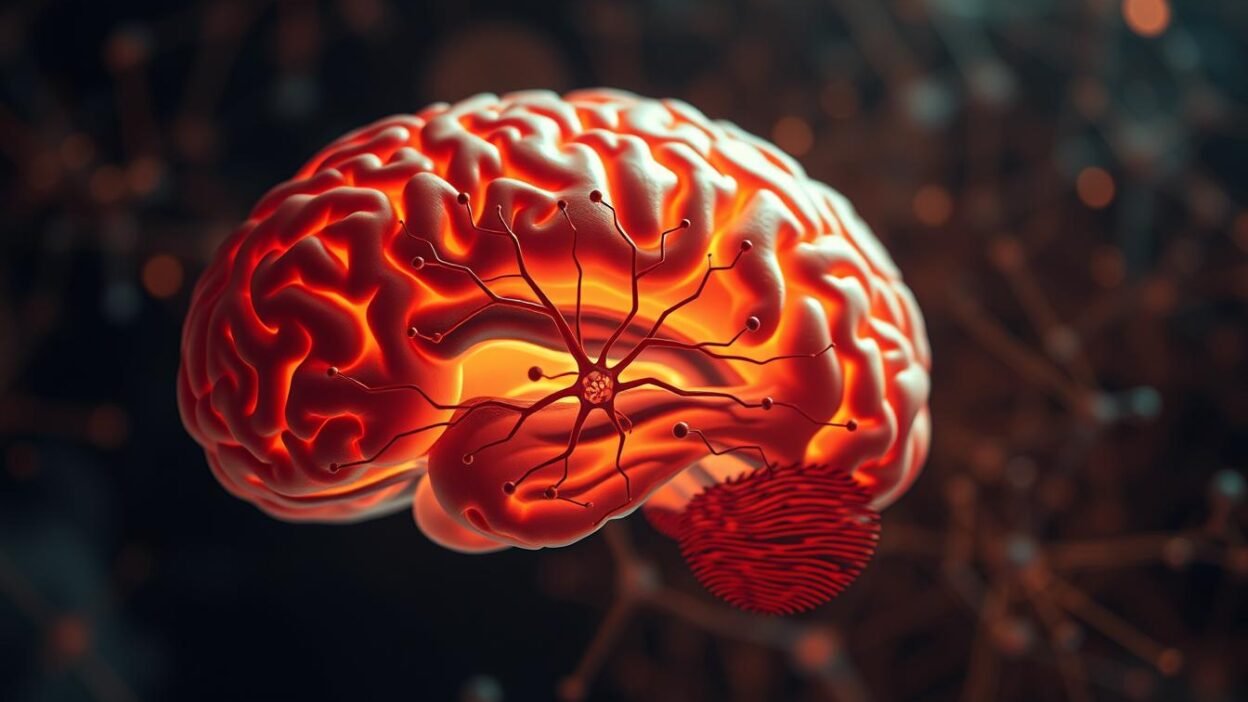
Research shows that about one in five individuals have lasting differences in how their brain processes information. These differences come from neurological variations present from birth. This raises an important question: are learning disabilities lifelong?
The answer is both simple and complex. These neurodevelopmental conditions represent permanent differences in brain structure and function. Brain imaging studies show distinct patterns in regions that process written language, mathematics, and other academic skills.
However, permanence does not mean unchanging limitation. The underlying neurological differences remain throughout life. Yet their functional impact shows remarkable variability.
Appropriate interventions, accommodations, and compensatory strategies help individuals manage their cognitive challenges effectively. Early implementation proves especially beneficial. The manifestation and severity of these conditions shift dramatically across different life stages.
Environmental contexts and levels of support also influence outcomes. Understanding this distinction between neurological persistence and adaptive potential provides essential context. This helps answer common questions: do learning disabilities go away, and how long do these challenges persist?
Understanding learning disabilities requires a balanced approach that blends awareness, assessment, and long-term support. The Learning Disabilities section on SpecialNeedsForU provides parents and teachers with clear explanations of dyslexia, dysgraphia, dyscalculia, and related challenges, along with proven strategies to support learning. Readers can strengthen their understanding by visiting the Developmental Milestones category, where early indicators of cognitive or academic struggles become easier to recognize. Families seeking emotional and behavioural guidance can explore PsyForU.com, which offers expert-written content on anxiety, attention issues, self-esteem, and neurodevelopmental conditions. And for building consistent habits, focus routines, or stress-free study environments, IntentMerchant.com provides actionable techniques based on productivity science and behavioural psychology. Together, these resources help families create a supportive learning ecosystem that empowers every child to thrive academically and emotionally.
Key Takeaways
- Neurodevelopmental conditions stem from permanent differences in brain structure and function that persist across the entire lifespan
- The functional impact of these cognitive differences varies significantly based on environmental support, intervention timing, and individual strengths
- Early identification and appropriate accommodations dramatically improve long-term outcomes and quality of life
- Neurological differences remain constant, but manifestation severity changes throughout childhood, adolescence, and adulthood
- Effective compensatory strategies enable individuals to manage specific challenges and achieve personal and professional success
- The distinction between permanent neurological basis and adaptive functional capacity is essential for realistic expectations
Understanding Learning Disabilities and Neurodevelopmental Disorders
Learning disabilities are classified as neurodevelopmental disorders. This classification helps us understand their nature, origin, and lifelong persistence. These conditions emerge from differences in brain structure that develop during critical growth periods.
Learning disabilities form a distinct category within neurodevelopmental disorders. They affect specific cognitive processes while leaving other abilities intact or enhanced. This selectivity sets them apart from conditions involving global developmental delays.
Accurate learning disability diagnosis starts with a key insight. These conditions reflect how the brain processes information, not whether it can learn. People with learning disabilities show motivation, effort, and often high intelligence.
The challenge lies in specific neural pathways responsible for processing certain information types.

Defining Characteristics and Diagnostic Criteria
A learning disability causes persistent difficulty in acquiring specific academic skills. This happens despite adequate instruction, motivation, and intellectual capacity. The defining feature is the gap between expected and actual achievement.
These neurodevelopmental disorders affect discrete cognitive processes essential for learning. The impact extends beyond simple skill deficits to underlying mental operations.
Key cognitive processes vulnerable to learning disabilities include:
- Phonological processing: The ability to hear, manipulate, and work with individual sounds in spoken words
- Orthographic processing: Recognition and memory for written letters, letter patterns, and whole words
- Working memory: Holding information temporarily while performing mental operations
- Processing speed: The rate at which the brain can take in, understand, and respond to information
- Executive functions: Higher-order skills including planning, organization, and self-monitoring
The learning disability diagnosis process requires comprehensive evaluation by qualified professionals. Clinicians examine patterns of strengths and weaknesses across multiple cognitive domains. They document persistent difficulties that interfere with academic or occupational functioning.
Learning disabilities occur in individuals across the full range of intellectual abilities. Many people with these conditions possess average, above-average, or even gifted intelligence. This challenges outdated assumptions that equate learning difficulties with limited cognitive capacity.
Prevalent Forms and Their Manifestations
The landscape of neurodevelopmental disorders includes several well-documented learning disabilities. Each affects distinct academic domains. Understanding these specific types shows how targeted brain systems contribute to different learning aspects.
Dyslexia represents the most widely recognized learning disability, affecting reading acquisition and fluency. Individuals with dyslexia struggle with accurate word recognition, poor spelling, and deficient decoding abilities. The core deficit typically involves phonological processing.
Reading challenges in dyslexia may encompass:
- Slow, effortful decoding of unfamiliar words
- Difficulty recognizing common words automatically
- Poor spelling despite adequate instruction
- Reduced reading comprehension due to decoding difficulties
Dyscalculia affects mathematical reasoning and computation. This condition impairs number sense—the intuitive understanding of quantities and their relationships. People with dyscalculia may struggle with basic arithmetic facts and quantitative reasoning.
Dysgraphia impacts written expression and the physical act of writing. Individuals experience difficulties with spelling, grammar, and organization of ideas on paper. The condition may affect writing fluency, making the process laborious despite adequate oral language skills.
These common types demonstrate the specificity of learning disabilities. A student might excel in mathematical reasoning while struggling profoundly with reading. Another might write eloquently when typing but produce illegible handwriting.
This pattern of uneven abilities confirms that learning disabilities target particular neural systems.
| Learning Disability Type | Primary Area Affected | Core Cognitive Deficit | Common Manifestations |
|---|---|---|---|
| Dyslexia | Reading and spelling | Phonological processing | Slow decoding, poor word recognition, spelling difficulties |
| Dyscalculia | Mathematics | Number sense and quantitative reasoning | Difficulty with arithmetic facts, problem-solving, math concepts |
| Dysgraphia | Written expression | Orthographic coding and motor planning | Poor handwriting, spelling errors, limited written output |
| Nonverbal Learning Disability | Visual-spatial processing | Spatial reasoning and social perception | Difficulty with math concepts, social cues, coordination |
Neurological Foundations of Learning Differences
The permanence of neurodevelopmental disorders lifelong stems from their biological origins in brain structure and function. Modern neuroscience has identified specific neural correlates associated with different learning disabilities. These discoveries explain why these conditions persist throughout life.
They also reveal potential pathways for compensation and adaptation.
Brain imaging studies reveal structural and functional differences in individuals with learning disabilities. In dyslexia, researchers consistently observe reduced activation in left-hemisphere regions responsible for phonological processing. These include the inferior frontal gyrus, temporoparietal regions, and occipitotemporal areas.
The neurodevelopmental basis reflects alterations that occur during prenatal and early postnatal brain development. Genetic factors play a significant role, with learning disabilities often running in families. Environmental influences during critical developmental windows can also contribute to atypical neural organization.
Key neurobiological findings include:
- Differences in gray matter volume in regions supporting specific cognitive functions
- Altered white matter connectivity affecting information transfer between brain regions
- Atypical patterns of neural activation during tasks requiring affected skills
- Variations in neurotransmitter systems that modulate learning and attention
These neurological differences are intrinsic features of brain organization rather than damage or disease. They represent variations in how neural circuits develop and function. This understanding clarifies why neurodevelopmental disorders persist across the lifespan.
However, neurological permanence does not equal functional stagnation. The brain possesses remarkable adaptive capacity through neuroplasticity. Individuals with learning disabilities can develop compensatory strategies and strengthen alternative neural pathways.
They can achieve substantial functional improvement despite persistent underlying differences.
The neurodevelopmental perspective also explains variability in symptom expression. As individuals mature and brain systems continue developing into young adulthood, some manifestations may become less prominent. Environmental supports, targeted interventions, and learned strategies can dramatically improve functional outcomes.
Understanding learning disabilities as neurodevelopmental disorders provides a scientifically grounded framework. These conditions originate in brain development and involve specific neural systems. They maintain their neurological signatures throughout life.
Yet this biological reality coexists with substantial potential for growth, adaptation, and success.
Are Learning Disabilities Lifelong? The Direct Answer
Learning disabilities are permanent neurological differences in brain structure and function. These differences stay present throughout a person’s entire life. The brain variations that define these conditions don’t disappear with age or intervention.
Understanding that learning disabilities are permanent requires an important distinction. The neurological foundation remains unchanged. However, the functional impact varies greatly across different life stages.
Research shows that people with learning disabilities keep their characteristic patterns of cognitive processing. The brain regions for reading, writing, and math continue to work differently. This difference persists compared to neurotypical individuals.
Yet permanence doesn’t mean stagnation or inevitable limitation. Developmental disorders show both enduring neurological differences and remarkable adaptation capacity. People develop compensation and skills when they receive appropriate support systems.
The Permanence of Neurological Differences
Learning disabilities have measurable differences in brain activity and structure. Neuroimaging studies reveal consistent patterns in people with dyslexia. They show reduced activation in left-hemisphere reading circuits throughout their lives.
These patterns persist even when people develop strong compensatory reading skills. The neurological signature of the learning disability remains detectable across decades.
People with dyscalculia demonstrate persistent differences in how the parietal cortex processes numbers. The brain regions affected by learning disabilities continue processing information in characteristic ways.
These neurological differences come from genetic and biological factors. They establish themselves during prenatal and early childhood brain development. Once established, the fundamental architecture of neural pathways remains largely stable.
This permanence explains why learning disabilities are not caused by factors such as:
- Inadequate educational instruction or poor teaching methods
- Lack of motivation or effort on the part of the learner
- Cultural or language differences that affect learning experiences
- Economic disadvantage or limited educational resources
- Uncorrected vision or hearing problems
Environmental factors can complicate learning challenges. However, they don’t create the underlying neurological differences that define true learning disabilities. The permanence reflects biological origins in brain development rather than external circumstances.
What Changes and What Stays the Same Throughout Life
Understanding neurodevelopmental disorder progression requires examining both constancy and change across the lifespan. The neurological substrate remains stable. Yet how learning disabilities affect daily functioning can transform dramatically.
Appropriate support, strategy development, and environmental accommodations make significant differences. The following table shows the critical distinction between permanent aspects and changeable dimensions.
| Permanent Characteristics | Variable Aspects Across Lifespan | Factors Influencing Change |
|---|---|---|
| Underlying neurological processing differences in affected brain regions | Functional impact on academic and occupational performance | Quality and consistency of educational interventions and accommodations |
| Relative weaknesses in specific cognitive domains (phonological processing, mathematical reasoning, written expression) | Degree of self-awareness and understanding of personal learning profile | Access to diagnostic services and psychoeducational assessment |
| Need for ongoing accommodations and support in challenging areas | Repertoire of compensatory strategies and alternative approaches | Explicit instruction in metacognitive and self-advocacy skills |
| Characteristic patterns on standardized cognitive and achievement assessments | Emotional and psychological impact on self-concept and well-being | Social support systems and acceptance within educational/work environments |
The developmental disorders persistence framework emphasizes that people develop increasingly sophisticated compensatory mechanisms. A child with dyslexia may struggle profoundly with basic decoding skills in elementary school. That same person as an adult may function effectively in a professional capacity.
Adults use assistive technology, audiobooks, and well-developed verbal reasoning skills. The underlying phonological processing difference remains unchanged. However, the functional impact has transformed through strategic adaptation.
Several dimensions demonstrate remarkable plasticity and potential for positive change throughout the lifespan:
- Self-advocacy capabilities: Individuals develop greater understanding of their learning needs and become more effective at requesting appropriate accommodations
- Compensatory strategy repertoire: Through experience and instruction, people build extensive toolkits of alternative approaches that bypass areas of weakness
- Environmental alignment: Career and life choices increasingly reflect individual strengths, reducing the daily impact of specific learning challenges
- Technological support: Evolving assistive technologies provide ever-improving tools that minimize functional limitations
- Psychological resilience: With appropriate support, individuals develop healthier self-concepts that acknowledge both challenges and capabilities
The neurodevelopmental disorder progression across the lifespan follows no single trajectory. Two people with identical diagnostic profiles at age eight may show vastly different outcomes. This variability reflects the complex interaction between permanent neurological substrate and accumulated impact.
Educational quality, family support, socioeconomic resources, and individual determination all play roles. Research confirms that neurological differences persist. However, their functional significance depends heavily on contextual factors.
A person with dysgraphia faces substantial challenges in roles requiring extensive handwritten documentation. That same person may experience minimal impairment in a technology-rich environment. Voice-to-text software and keyboards eliminate the need for handwriting.
The environment shapes whether a permanent neurological difference becomes a significant disability. It can also remain a manageable difference in learning style. This understanding provides the foundation for realistic optimism.
Learning disabilities are indeed lifelong conditions. However, their impact on achievement, career success, and quality of life can change dramatically. The right supports, strategies, and opportunities help people develop their considerable strengths alongside specific challenges.
How Learning Disabilities Progress Through Different Life Stages
Learning disabilities change as people move through life, from elementary school to the workplace. The core brain patterns stay the same. But how they affect daily life changes with new demands and expectations.
Each stage of life brings different challenges. These reflect both growing abilities and new mental demands. School and work requirements become more complex over time.
People develop strategies and self-knowledge to work with their unique learning profiles. Learning disabilities don’t simply get better or worse. They interact with changing life demands in dynamic ways.
Childhood and School Years
Learning disabilities usually show up during early school years. This happens when kids start learning to read, write, and do math. These subjects demand specific brain processes that learning disabilities affect.
A child with dyslexia may struggle with sounds and reading. A student with dyscalculia faces challenges understanding numbers and math relationships. The biggest risk is falling behind when disabilities go unidentified or unsupported.
Children who can’t read well by third grade often fall further behind. The curriculum shifts from learning to read to reading to learn. Psychoeducational assessments throughout a child’s academic years ensure they receive the most appropriate interventions based on their needs.
Experts recommend reassessments every two to three years. Timing depends on individual circumstances. These evaluations help especially during transitions between school stages.
New behaviors at home or school may signal the need for updated assessment. Early identification and intervention during childhood offer several critical advantages:
- Prevention of secondary emotional difficulties associated with repeated academic failure
- Development of foundational compensatory strategies while brain plasticity remains highest
- Access to specialized instruction during critical periods for skill acquisition
- Building positive self-concept through understanding personal learning differences
- Establishment of effective accommodation patterns that can be refined over time
Adolescence and Educational Transitions
Adolescence brings a vulnerable transition period for individuals with learning disabilities. Academic demands increase substantially in complexity. Students need greater information synthesis across subjects, abstract reasoning, and sophisticated organizational skills.
Students must manage multiple subjects simultaneously. They need to meet deadlines across various courses. They must demonstrate independence in learning that wasn’t required in elementary settings.
The psychological dimensions of learning differences become especially pronounced during adolescence. Teenagers with learning disabilities often feel self-conscious about their academic struggles. They compare themselves to peers during this identity-forming period.
The transition from high school to college or job training introduces new complexities. External supports that were mandated in secondary education often diminish dramatically. Expectations for self-directed learning increase substantially.
Students must independently seek accommodations and advocate for their needs. They must implement strategies without the oversight that characterized their earlier education.
If learning disabilities go unrecognized or unaddressed, they can lead to mental health concerns like anxiety or depression, especially in later life.
Key challenges during adolescent transitions include:
- Navigating increasing academic complexity across multiple subject areas simultaneously
- Developing executive function skills for time management and organization independently
- Transitioning self-advocacy responsibilities from parents to students themselves
- Managing social-emotional impacts on peer relationships and self-perception
- Making informed decisions about post-secondary pathways that align with learning profiles
Adulthood and Workplace Challenges
Learning disabilities in adults continue to affect individuals in new ways. Concerns shift from primarily academic to occupational and daily living challenges. The workplace presents unique demands that may highlight different aspects of learning disabilities.
Adults may face difficulties with workplace communication and professional writing. Time management under deadline pressure becomes challenging. Navigation of complex organizational systems can prove difficult.
Professional advancement often requires skills that directly challenge affected areas. Leadership positions may demand extensive report writing and public presentations. Rapid processing of written information or complex numerical analysis becomes necessary.
Learning disabilities in adults can impact career trajectories. Individuals may avoid opportunities that would expose their areas of difficulty. Their capabilities may be underestimated due to surface-level manifestations of their learning differences.
The functional impact extends beyond workplace settings. Adults navigate complex systems for healthcare, housing, and financial management. These require strong literacy and organizational skills.
Technology has simultaneously created new challenges and solutions. Digital systems offer assistive tools but also introduce new literacy demands. Learning curves may prove difficult for individuals with certain learning disabilities.
Many adults develop sophisticated compensatory skills and self-knowledge. They learn which environments support their strengths. They discover which accommodations prove most effective.
Adults structure their professional and personal lives to minimize functional impact. This accumulated expertise represents a significant resource. It develops only through lived experience across the lifespan.
Common workplace manifestations of learning disabilities in adults include:
- Difficulty with written communication in emails, reports, and documentation
- Challenges with time estimation and meeting multiple competing deadlines
- Struggles with organizational systems for files, tasks, and projects
- Complications with rapid information processing during meetings or presentations
- Difficulties navigating complex technological systems introduced in modern workplaces
Learning disabilities progress through different life stages in important ways. The neurological basis remains consistent, but practical implications transform dramatically. Stage-specific manifestations require developmentally appropriate support.
This acknowledges both the permanence of learning disabilities and the capacity for growth. Adaptation and success are possible across the entire lifespan.
The Role of Neuroplasticity in Learning Disabilities
Neuroplasticity and learning disabilities show why early intervention matters. This relationship reveals what can change and what stays constant. Understanding this helps families develop realistic expectations and effective strategies.
Neuroplasticity is the brain’s ability to reorganize itself. It responds to experience, learning, and environmental demands. This process happens throughout life but varies at different ages.
The concept reshapes how we understand learning challenges. It shows potential for improvement without making false promises.
Understanding Brain Plasticity and Learning Differences
Brain plasticity works at many levels in the nervous system. At the microscopic level, synaptic connections strengthen or weaken based on use. At the systems level, brain regions reorganize to support new strategies.
Neuroplasticity in learning disabilities explains why targeted help produces results. The brain develops alternative neural pathways that work around weak areas. This doesn’t remove the difference but creates helpful workarounds.
Children’s brains show especially strong plasticity during key developmental windows. This allows young learners to establish new processing routes more easily. The developing nervous system has greater capacity for change.
Neuroplasticity is the ability of the brain to change its neural pathways through learning; the brain can rewire itself to function differently from how it previously functioned in response to our ever-changing environment.
However, neuroplasticity and learning disabilities work within certain limits. The fundamental patterns that define specific learning disabilities remain present. This explains why people still benefit from accommodations despite skill improvements.
How the Brain Adapts and Compensates Over Time
The question “can learning disabilities improve” requires understanding neurology versus performance. The neurological signature persists, but adaptive responses create meaningful improvements.
Compensatory mechanisms develop through several pathways. The brain may recruit additional regions for challenging tasks. It might distribute processing across wider networks or develop automated routines.
These adaptations build up over years of practice and instruction.
Age-related changes in brain plasticity follow predictable patterns:
| Developmental Stage | Plasticity Level | Intervention Implications |
|---|---|---|
| Early Childhood (ages 3-7) | Maximum plasticity | Optimal window for establishing foundational skills; prevention of secondary difficulties |
| Middle Childhood (ages 8-12) | High plasticity | Strong response to intensive intervention; development of compensatory strategies |
| Adolescence (ages 13-18) | Moderate plasticity | Focus on metacognitive skills; refinement of existing strategies |
| Adulthood (19+) | Reduced but present plasticity | Emphasis on accommodations alongside skill development; leveraging technology |
Early intervention takes advantage of periods of heightened brain plasticity. Children who receive appropriate support during elementary years develop more efficient strategies. This reduces the mental effort required for academic tasks.
Intervention timing also affects self-esteem and motivation. Repeated struggles without support can damage beliefs about abilities. Early success experiences protect against these psychological consequences.
Evidence-Based Treatment and Neuroplasticity Research
Research on neuroplasticity in learning disabilities has identified specific interventions. These treatments target underlying cognitive processes while harnessing adaptive capabilities.
Phonological awareness training for dyslexia shows how focused intervention reshapes neural networks. Brain imaging studies show that intensive sound-based instruction increases activation. The brain builds stronger connections for linking sounds to letters.
Multi-sensory structured language approaches engage multiple brain systems simultaneously. By involving visual, auditory, and kinesthetic pathways, these methods create redundant representations. This redundancy provides alternative routes for accessing information.
Evidence-based treatments that leverage brain plasticity include:
- Intensive phonological training: Systematic instruction in sound awareness and sound-symbol relationships
- Working memory interventions: Targeted exercises that expand the capacity to hold and manipulate information
- Rapid automatized naming practice: Activities that improve speed of retrieving verbal labels for visual stimuli
- Executive function coaching: Explicit teaching of planning, organization, and self-monitoring skills
- Computer-based cognitive training: Adaptive programs that adjust difficulty based on performance
The question of whether can learning disabilities improve has a nuanced answer. Functional skills improve, sometimes dramatically, through plasticity-driven learning. Reading accuracy increases, writing becomes more fluent, and mathematical reasoning strengthens.
Yet these improvements occur within the context of ongoing neurological differences. A student with dyslexia may become proficient but still process text slowly. An adult with dyscalculia may develop effective strategies but find mental arithmetic challenging.
This balanced perspective acknowledges both the potential of neuroplasticity and persistent differences. The goal of intervention shifts from elimination to optimization—developing the most effective functioning possible. This approach combines skill-building with environmental modifications that reduce barriers.
Understanding these mechanisms empowers families to pursue intervention with appropriate expectations. Change is possible and often substantial. It represents adaptation rather than erasure of the condition.
This knowledge guides decisions about treatment intensity and accommodation needs. It helps with long-term planning for educational and career success.
How to Manage Learning Disabilities in Childhood
Early recognition of learning challenges helps parents and educators support children effectively. They can use strategies that boost academic success and build self-confidence. The childhood years create a perfect time to build strong learning foundations.
A systematic approach involves four connected steps that create comprehensive support. This framework includes education accommodations for learning disabilities and practical coping strategies. These methods address both immediate needs and long-term growth.
Success depends on coordinated efforts across home, school, and community settings. Research shows students who receive early interventions achieve much better outcomes. The following steps guide parents, educators, and caregivers through this important process.
Step 1: Obtain a Proper Learning Disability Diagnosis
The diagnostic process starts when a child struggles with schoolwork despite good teaching. Some students keep up with their grade only through huge effort and extra help. These patterns suggest the need for a comprehensive psychoeducational assessment by qualified professionals.
A thorough evaluation examines multiple areas of functioning. Standardized tests measure cognitive abilities, academic achievement, and information processing skills. The assessment process typically includes:
- Intellectual and cognitive ability testing to establish overall learning potential
- Academic achievement testing in reading, writing, and mathematics
- Processing assessments for memory, attention, and executive functioning
- Behavioral observations and developmental history review
- Input from teachers and parents regarding classroom performance
Qualified professionals such as school psychologists, educational psychologists, or neuropsychologists conduct these evaluations. They analyze patterns of strengths and weaknesses to identify specific learning disabilities. The diagnostic report provides essential information for educational planning with tailored recommendations.
Step 2: Implement Education Accommodations for Learning Disabilities
Once diagnosis confirms a learning disability, appropriate accommodations create equal access to learning. These modifications reduce barriers without changing curriculum content or lowering expectations. Accommodations address the specific challenges identified while leveraging individual strengths.
Effective education accommodations for learning disabilities fall into several categories. Presentation accommodations change how information is delivered to students. Response accommodations modify how students demonstrate their knowledge.
Timing and scheduling accommodations adjust the duration or frequency of assignments and assessments. Setting accommodations alter the learning environment itself.
- Extended time for completing assignments, tests, and projects
- Preferential seating near the teacher and away from distractions
- Access to assistive technology such as text-to-speech or speech-to-text software
- Modified presentation formats including visual aids and graphic organizers
- Alternative assessment methods that bypass specific disability-related challenges
- Reduced workload or chunked assignments broken into manageable segments
Implementation requires collaboration between parents, teachers, and school administrators. Regular monitoring ensures accommodations remain effective as the child develops. Adjustments should occur based on ongoing assessment of student progress.
Step 3: Work with Special Education Needs Professionals
Collaboration with special education needs experts brings specialized knowledge to the intervention process. These professionals have training in instructional methods designed for students with learning disabilities. Their expertise complements general education instruction and provides targeted support.
The team working with a child may include several specialists. Learning specialists and resource teachers provide direct instruction using research-validated techniques. School psychologists contribute ongoing assessment and consultation regarding behavioral aspects of learning.
Educational therapists offer intensive remediation in specific skill areas. Speech-language pathologists address language-based learning disabilities.
Effective collaboration with special education needs professionals involves:
- Regular communication through meetings, progress reports, and informal updates
- Shared goal-setting based on assessment data and educational standards
- Coordinated implementation of strategies across different settings
- Professional development for teachers working with the student
- Parent training to support learning at home
This collaborative approach ensures consistency in expectations and methodology. Students receive coherent messages about learning strategies across environments. The team should meet regularly to review progress data and adjust interventions.
Step 4: Develop Learning Disability Coping Strategies Early
Children benefit tremendously from developing their own self-directed strategies for managing learning challenges. Early acquisition of learning disability coping strategies establishes patterns of adaptive problem-solving. These internal resources promote independence and build resilience against academic frustration.
Metacognitive skills form the foundation of effective coping strategies. Students learn to monitor their own thinking processes and recognize when comprehension breaks down. Self-monitoring techniques help children track their attention, organize materials, and manage time effectively.
Essential learning disability coping strategies include:
- Organizational systems for managing materials, assignments, and time
- Memory strategies such as mnemonics, visualization, and chunking information
- Self-advocacy skills for requesting needed accommodations and support
- Emotional regulation techniques to manage frustration and maintain motivation
- Study skills tailored to individual learning strengths and weaknesses
Parents and educators should explicitly teach these strategies rather than assuming children will discover them. Direct instruction combined with guided practice helps students internalize coping mechanisms. Over time, strategy use becomes automatic, reducing the cognitive load required.
Building self-efficacy represents an equally important component of early intervention. Children develop confidence in their ability to overcome challenges through successful strategy use. This adaptive mindset contrasts with the learned helplessness that can develop otherwise.
Positive self-concept and realistic understanding of strengths create psychological resilience. This resilience supports lifelong learning and personal growth.
How to Navigate Learning Disabilities as an Adult
Living with learning disabilities as an adult brings unique challenges. These challenges go beyond school into work and personal relationships. Many people reach adulthood without ever getting a formal diagnosis.
Some individuals develop clever ways to hide their neurological differences during school years. Others discover new difficulties when facing different skills and demands as adults. Previously manageable problems may suddenly become more visible.
Managing learning disabilities as an adult requires a new perspective. Adults must address problems in work settings, continuing education, and daily life. This broader scope needs more comprehensive strategies than childhood approaches.
Adults must recognize that learning disabilities are lifelong conditions requiring ongoing accommodation. The supports needed change as life circumstances shift. Adults have more control over seeking help than children do.
Understanding the Adult Diagnosis Journey
Adult learning disability diagnosis differs greatly from childhood assessment. Doctors examine how processing differences impact job performance and independent living skills. This functional approach provides more relevant insights for adults.
Many adults seek evaluation after years of unexplained workplace difficulties. They may notice persistent challenges with written communication despite strong speaking skills. Chronic disorganization or mathematical difficulties often prompt investigation into underlying learning differences.
The evaluation typically includes comprehensive testing of cognitive abilities and academic achievement. Assessors compare current functioning with expected performance based on intellectual capacity. Significant gaps between potential and performance indicate specific learning disabilities.
Adult diagnosis often provides profound relief and self-understanding, reframing a lifetime of perceived personal failings as the predictable consequences of identifiable neurological differences that can be addressed through appropriate support.
This reframing represents one of the most powerful aspects of late diagnosis. Adults often describe finally having language to explain their struggles. The diagnosis validates their experiences and opens pathways to effective interventions.
Documentation from adult learning disability diagnosis serves multiple critical purposes. It provides eligibility for workplace accommodations under federal law. It also qualifies individuals for support services in higher education settings.
The diagnostic report becomes a roadmap for understanding one’s cognitive profile. It identifies specific areas requiring accommodation. This information helps develop personalized compensatory strategies.
| Assessment Focus | Childhood Evaluation | Adult Evaluation |
|---|---|---|
| Primary Context | Academic achievement in basic subjects | Functional impairment in work and daily life |
| Comparison Baseline | Grade-level expectations and peer performance | Intellectual potential and professional requirements |
| Accommodation Goals | Educational modifications and special education services | Workplace adjustments and independent living supports |
| Compensatory Factors | Limited strategies in place | Extensive coping mechanisms may mask difficulties |
Securing Workplace Support and Understanding Legal Protections
Workplace accommodations represent a fundamental right for adults with documented learning disabilities. The Americans with Disabilities Act requires employers to provide reasonable modifications. Understanding these protections empowers adults to advocate effectively for necessary supports.
The ADA defines reasonable accommodations broadly to encompass various modifications. These might include assistive technology such as text-to-speech software for individuals with dyslexia. Modified training formats provide information through multiple methods.
Flexible scheduling accounts for medication effects or fatigue patterns. Restructured job tasks emphasize strengths while minimizing exposure to specific weaknesses. Accommodations must enable job performance without imposing undue hardship on the employer.
Requesting workplace accommodations requires strategic self-advocacy. Adults must disclose their learning disability to human resources or management. Disclosure should include specific functional limitations and concrete accommodation requests supported by professional documentation.
Many adults worry about potential discrimination or career consequences from disclosure. These fears are understandable given historical stigma. The ADA explicitly prohibits discrimination based on disability status.
Employers cannot use learning disability information in hiring decisions or promotion considerations. Protection exists specifically to ensure capable individuals receive necessary supports without professional penalty.
Effective workplace accommodations for learning disabilities often prove surprisingly simple to implement. An employee with dysgraphia might receive speech-to-text software and permission to audio-record meetings. Someone with dyscalculia could use specialized calculators or spreadsheet templates for financial tasks.
Individuals with processing speed differences might benefit from advance notice of meeting agendas. Extended time for complex written responses helps too. These modifications typically cost little while significantly improving job performance and satisfaction.
Beyond formal accommodations, overcoming learning disabilities as an adult involves cultivating supportive workplace relationships. Educating supervisors and colleagues about learning disabilities reduces misunderstandings about performance variations. This education process transforms learning disabilities from sources of confusion into recognized differences.
Developing Sophisticated Adult Compensation Approaches
Building effective adult coping mechanisms involves more than applying childhood strategies to adult contexts. Successful management requires developing sophisticated self-awareness regarding one’s specific cognitive profile. Implementing organizational systems tailored to individual processing patterns helps tremendously.
Self-awareness forms the foundation of effective adult coping. Adults who understand their particular strengths and weaknesses make informed decisions. Someone with strong visual-spatial abilities but weak verbal processing might excel in architecture or engineering.
Recognizing these patterns enables strategic choices that leverage strengths. Minimizing exposure to significant weaknesses becomes easier with self-knowledge.
Technological tools provide unprecedented support for adults managing learning disabilities. Smartphone applications offer sophisticated organizational systems, medication reminders, and task management capabilities. Digital calendars with multiple alerts prevent missed appointments.
Note-taking applications convert speech to text or organize information visually. Audiobook platforms provide access to professional development materials without reading barriers. These tools compensate for specific processing difficulties while enabling full participation.
Effective coping mechanisms also address the emotional dimensions of living with learning disabilities. Many adults carry internalized shame from years of struggling without understanding why. Therapy focused on reframing these experiences helps individuals recognize their difficulties stem from neurological differences.
Strategic self-advocacy represents perhaps the most crucial adult skill for overcoming learning disabilities. This involves communicating needs clearly and confidently. Educating others about learning disabilities without oversharing personal details matters too.
Peer support networks offer valuable resources for adults navigating learning disabilities. Connecting with others who share similar experiences reduces isolation and provides practical strategy sharing. Many communities offer adult learning disability support groups or online forums.
The ongoing nature of learning disabilities means accommodation needs may shift across different life phases. An adult with ADHD might require different supports when managing young children than in a corporate environment. Someone with dyslexia may find new challenges emerging in graduate education.
Effective management involves continuously reassessing needs and adjusting strategies as circumstances evolve. This adaptive approach ensures supports remain relevant and effective throughout changing life contexts.
Living with Dyslexia Throughout Your Lifespan
Dyslexia is one of the most researched learning differences. It affects about 5-15% of people worldwide. This reading disorder shows up differently as people grow from young readers to working adults.
This phonologically-based condition creates unique challenges at each life stage. Yet many people prove these brain differences don’t limit success. The dyslexia journey changes significantly from childhood through adulthood.
Understanding dyslexia across life stages reveals its persistent nature. It also shows our amazing ability to adapt. The brain patterns stay fairly stable throughout life.
However, the real-world impact changes as people develop coping strategies. They also find environments that match their cognitive strengths.
Early Reading Challenges and Educational Approaches
Children with dyslexia face major difficulties learning to read. These challenges usually appear in kindergarten through second grade. The main problem comes from weak phonological processing skills.
This means trouble recognizing and working with individual sounds in words. This core deficit creates many reading difficulties beyond simple decoding.
Early warning signs include connecting letters to sounds incorrectly. Kids also struggle with rhyming and spelling common words. As classmates advance quickly, children with dyslexia often fall behind.
This creates frustration and sometimes emotional problems. The gap widens as schoolwork gets harder. Text-based learning becomes central to success in all subjects.
Effective childhood interventions focus on systematic, clear instruction in phonological awareness. They use multi-sensory structured language approaches. These proven methods use brain plasticity to establish better reading pathways.
Programs like Orton-Gillingham, Wilson Reading System, and Lindamood-Bell help greatly. They provide intensive, personalized instruction addressing specific phonological deficits.
Early diagnosis and intervention prove critical for long-term success. Research shows children receiving help before third grade do much better. However, even with the best intervention, reading rarely becomes completely normal.
Most people continue experiencing some reading difficulty throughout life.
Developing Compensation Skills and Adaptive Strategies
Overcoming dyslexia with age means developing smart compensatory mechanisms. These enable people to function well despite ongoing reading challenges. As teens and young adults gain experience, they discover helpful strategies.
Many people with dyslexia develop exceptional verbal comprehension skills. These partially make up for decoding weaknesses. They learn to use context clues effectively and make educated guesses.
They also rely heavily on hearing-based learning methods. These adaptive strategies improve through practice and conscious effort.
The process of overcoming dyslexia with age also involves learning self-advocacy. Successful adults select environments matching their strengths. They often choose careers emphasizing visual-spatial reasoning, creativity, or people skills.
- Utilizing audiobooks and text-to-speech technology to access written material efficiently
- Developing strong listening and verbal communication skills as primary learning channels
- Creating personalized organizational systems to manage information without heavy reliance on written notes
- Building networks of support and delegation for tasks requiring extensive reading or writing
- Focusing career development toward areas that emphasize strengths rather than weaknesses
Research shows many people experience gradual reading improvements through adolescence. They continue into early adulthood. However, reading typically remains slower and harder than for others.
Success comes not from eliminating the learning difference. It comes from developing effective workarounds. It also means finding meaningful areas where dyslexia poses few barriers.
Achievement and Success in Professional Life
Dyslexia in adulthood presents ongoing challenges and unexpected advantages. Adults with dyslexia still struggle with reading speed and spelling. Yet many achieve remarkable success across diverse fields.
They leverage distinctive cognitive strengths linked to their brain profile.
Historical evidence suggests many influential figures managed dyslexia in adulthood. They made groundbreaking contributions to their fields. Charles Darwin struggled with reading and spelling his entire life.
Yet his revolutionary theory transformed biological sciences. George Washington showed writing patterns consistent with dyslexia. He still demonstrated exceptional leadership and strategic thinking.
Leonardo da Vinci showed signs of reading and writing difficulties. Modern experts believe these reflected dyslexic patterns. Yet he became history’s most celebrated polymath.
These examples prove dyslexia doesn’t prevent exceptional achievement. People need appropriate support and meaningful work matching their strengths. Research identifies potential cognitive advantages associated with dyslexia.
These include enhanced spatial reasoning and creative problem-solving abilities. Holistic thinking patterns prove valuable in architecture, engineering, and entrepreneurship.
The greatest difficulty with dyslexia is not the reading challenge itself, but rather convincing yourself that your different way of thinking represents strength rather than limitation.
Modern success stories exist across all professional domains. Entrepreneurs with dyslexia credit their learning difference with fostering creativity. It also builds resilience when facing challenges.
Scientists with dyslexia describe how visual-spatial strengths help them. They can conceptualize complex systems in unique ways. Artists and designers with dyslexia report their alternative processing styles contribute to creative vision.
Key factors enabling adult success include appropriate accommodations. Strong self-advocacy skills matter greatly. Supportive work environments that value diverse thinking are crucial.
Legal protections like the Americans with Disabilities Act ensure access to accommodations. These level the playing field. They enable people to demonstrate their true capabilities.
Living successfully with dyslexia throughout life requires acknowledging genuine challenges. It also means recognizing authentic strengths that often accompany it. With proper support systems and effective strategies, people with dyslexia consistently succeed.
Neurological differences need not translate into permanent limitations. Personal and professional achievement remains fully possible.
Managing ADHD Throughout the Lifespan
ADHD is a lifelong neurological difference that needs age-appropriate support and coping strategies. This condition often occurs alongside specific learning disabilities, creating extra challenges in school, social situations, and daily tasks. Understanding how ADHD changes across different ages helps people develop better support systems.
ADHD requires flexible management that adapts to changing needs throughout life. Core differences in attention, impulse control, and executive function remain constant. However, how these differences show up changes dramatically from childhood to adulthood.
ADHD in Children and Teens
Children with ADHD typically show hyperactivity, impulsivity, and trouble focusing on mentally challenging tasks. These visible behaviors often hide deeper struggles with planning, organizing, and making decisions. Young kids may struggle following multi-step directions, frequently lose items, and find waiting their turn difficult.
School performance suffers from attention problems and challenges with working memory and processing speed. ADHD combined with learning disabilities in reading, writing, or math creates major educational barriers. Complete evaluations help identify whether struggles come from attention issues or specific processing problems.
Social relationships during childhood and teen years face extra strain from impulsive actions and difficulty reading social cues. Teens with ADHD experience more peer rejection, emotional struggles, and risky choices. Building self-regulation skills during these years significantly impacts long-term success.
Schools that understand ADHD as a brain difference rather than bad behavior provide crucial support. Extended test time, better seating, movement breaks, and modified assignments help students show their knowledge despite attention challenges. Teamwork between parents, teachers, and doctors creates consistent support across all settings.
ADHD Through Lifespan Changes and Challenges
ADHD changes predictably over time, with hyperactive symptoms often decreasing during teen and young adult years. Core attention and executive function difficulties continue throughout life. External behaviors transform into internal struggles with organization, time management, and completing complex tasks.
Brain research shows ongoing differences in neurotransmitter systems and brain structure throughout life. These brain-based differences explain why attention challenges continue into adulthood despite better behavioral control. The brain’s prefrontal regulatory systems mature during the twenties, providing some natural improvement.
Life transitions create vulnerable periods for people with ADHD. Moving from structured school to less supervised college or work settings often reveals hidden difficulties. Relationships, careers, and managing a household all require executive function skills that remain challenging.
Other conditions often occur alongside ADHD throughout life. People with learning disabilities may also have attention difficulties, behavioral challenges, sensory issues, or medical problems. Anxiety, depression, and substance use occur more often in individuals with ADHD.
Adult ADHD Management Strategies
Adult ADHD management focuses on self-directed organizational systems and environmental changes. Adults must develop internal frameworks for managing attention and executive function challenges. This requires understanding personal attention patterns, ideal working conditions, and situations that strain executive function.
Effective adult management strategies include the following evidence-based approaches:
- Medication management: Stimulant or non-stimulant medications under medical supervision can significantly improve attention regulation and impulse control for many adults
- Environmental design: Creating workspaces that minimize distractions and reduce demands on limited executive function resources
- External scaffolding systems: Using technological tools, timers, reminders, and visual organization systems to compensate for working memory and planning difficulties
- Task breakdown strategies: Dividing complex projects into smaller, manageable components with clear interim deadlines
- Energy and attention mapping: Identifying peak attention periods and scheduling cognitively demanding tasks accordingly
Technology provides external support for executive function weaknesses in ADHD. Digital calendars with reminders, task apps, and automated bill payments reduce reliance on internal organization. These tools work as external executive functions, providing structure that others generate internally.
Building sustainable routines reduces decision fatigue and automates daily tasks. Consistent morning and evening routines, designated spots for items, and standard approaches to recurring tasks lower cognitive load. Adults successful in coping with learning disabilities and ADHD develop structured personal systems.
Professional support through coaching, therapy, or support groups provides accountability and skill development. Cognitive-behavioral therapy for adult ADHD addresses procrastination, negative self-talk, and compensatory strategies. Coaches help implement organizational systems, maintain accountability, and solve daily obstacles.
The most effective lifelong ADHD management involves accepting neurological differences while developing compensatory mechanisms. Successful adults with ADHD leverage unique strengths like creativity, hyperfocus, and energetic problem-solving. They systematically address genuine difficulties while building satisfying, productive lives.
Effective Learning Disability Treatment and Interventions
Treatment approaches for learning disabilities range from remedial instruction to compensatory strategies. Remedial interventions target underlying skill deficits through intensive, systematic instruction. Compensatory strategies provide alternative pathways that work around persistent processing difficulties.
Managing learning disabilities requires recognition that both approaches serve essential roles throughout life. Early intervention offers the greatest potential for remediation as younger brains demonstrate enhanced neuroplasticity. Most individuals continue to benefit from compensatory strategies and accommodations that address persistent processing differences.
Evidence-Based Therapies and Educational Approaches
Effective learning disability treatment rests on interventions supported by rigorous research demonstrating measurable outcomes. These evidence-based approaches provide systematic, explicit instruction that does not assume prerequisite knowledge. They do not rely on students discovering concepts independently.
For dyslexia and reading disabilities, structured literacy programs have demonstrated the strongest evidence base. The Orton-Gillingham approach uses multi-sensory techniques to teach connections between letters and sounds. Students see, hear, and physically manipulate letters while learning phonological patterns.
The Wilson Reading System builds on these principles with a highly structured twelve-step program. It provides intensive practice in phonological coding and decoding skills. Each lesson follows a consistent format that reinforces previously learned material while introducing new concepts.
Lindamood-Bell programs address reading comprehension and phonemic awareness through specialized techniques. The Visualizing and Verbalizing program develops concept imagery for language comprehension. The Seeing Stars program strengthens symbol imagery for phonological and orthographic processing.
For dyscalculia and mathematics disabilities, multi-sensory mathematics instruction proves most effective. These approaches use manipulatives, visual representations, and verbal explanations simultaneously. Students build concrete understanding before progressing to abstract mathematical concepts.
Dysgraphia interventions combine explicit writing instruction with assistive technology support. Students learn proper letter formation, spacing, and organization through direct teaching. They simultaneously access word processing tools that reduce the motor demands of writing tasks.
All evidence-based interventions emphasize intensive, frequent practice that promotes automaticity in foundational skills. Sessions typically occur daily or multiple times weekly, ranging from thirty minutes to two hours. Progress monitoring occurs regularly, enabling instructional adjustments based on student response to intervention.
Assistive Technology and Digital Tools
Technology has dramatically expanded options for managing learning disabilities by providing external cognitive support. These tools enable functional success by reducing the impact of specific deficits. They do not eliminate underlying processing differences.
Text-to-speech software converts written text into spoken audio, bypassing reading difficulties entirely. Students access grade-level content that would otherwise remain inaccessible due to decoding challenges. Programs like NaturalReader, Read&Write, and built-in screen readers provide this essential accommodation across devices.
Speech-to-text applications circumvent writing challenges by allowing students to dictate their thoughts. Tools such as Dragon NaturallySpeaking, Google Voice Typing, and Apple Dictation capture spoken language. This technology particularly benefits students with dysgraphia or those whose oral expression exceeds written output.
Graphic organizers and concept mapping tools support executive function and organization. Digital platforms like Inspiration, MindMeister, and Lucidchart enable students to visually structure information. These tools make abstract thinking processes concrete and visible.
Calculation software and specialized mathematics programs provide computational support while students focus on mathematical reasoning. Calculators with specialized features, programs like MathTalk, and applications that read math problems aloud reduce processing load. Students can demonstrate conceptual understanding without calculation barriers.
Literacy support applications offer targeted practice in specific skill areas. Programs like Lexia, Read Naturally, and Nessy provide phonological awareness training and vocabulary development. These tools adapt to individual performance levels, providing appropriately challenging practice that builds skills systematically.
| Intervention Type | Primary Purpose | Examples | Best Suited For |
|---|---|---|---|
| Structured Literacy | Remediate phonological and decoding skills | Orton-Gillingham, Wilson Reading, Lindamood-Bell | Dyslexia, reading disabilities, early intervention |
| Multi-Sensory Math | Build concrete mathematical understanding | Manipulatives, visual models, TouchMath | Dyscalculia, math disabilities, conceptual gaps |
| Text-to-Speech | Provide alternative access to written content | NaturalReader, Read&Write, screen readers | Reading disabilities, accessing grade-level content |
| Speech-to-Text | Bypass motor and organization challenges in writing | Dragon NaturallySpeaking, Google Voice Typing | Dysgraphia, written expression disabilities |
| Organizational Tools | Support planning, structure, and executive function | Graphic organizers, digital planners, timers | Executive function challenges, organization difficulties |
Learning Disability Treatment Effectiveness Over Time
Understanding learning disability treatment effectiveness requires realistic expectations grounded in neuroscience. Interventions can produce substantial improvements in specific skills and strategies, particularly when implemented early and intensively. However, they rarely eliminate the underlying neurological differences that constitute the learning disability itself.
Research demonstrates that early intervention yields the strongest remedial effects. Children who receive intensive, evidence-based instruction before third grade show greater skill gains than those whose intervention begins later. The developing brain’s enhanced neuroplasticity during early childhood enables more substantial rewiring of neural pathways.
Despite these gains, most individuals continue to demonstrate relative weaknesses in affected processing areas throughout life. A student who receives excellent dyslexia intervention may progress from severe reading disability to grade-level reading ability. However, their reading speed and automatic word recognition typically remain below their intellectual peers.
Measuring learning disability treatment effectiveness requires a nuanced framework that extends beyond simple normalization of function. Meaningful treatment outcomes include specific skill improvements in targeted areas, with students making measurable progress in reading accuracy, fluency, or comprehension. These gains represent genuine achievements even when performance remains below chronological age expectations.
Development of effective compensatory strategies constitutes another crucial outcome. Students learn which accommodations and tools enable their success, developing a personalized toolkit of approaches. This strategic competence often proves more valuable than marginal skill improvements in determining long-term functional success.
Enhanced self-understanding and self-advocacy emerge as students recognize their specific learning profile. They articulate their needs clearly, request appropriate accommodations, and select environments that align with their strengths. This metacognitive awareness transforms passive recipients of services into active directors of their own learning experience.
Prevention of secondary emotional and behavioral difficulties represents an often-overlooked treatment outcome. Students who receive appropriate support and experience academic success maintain positive self-concept and motivation. They avoid the anxiety, depression, and behavioral problems that frequently accompany unaddressed learning disabilities.
Improved overall functioning and quality of life ultimately defines treatment success. Individuals achieve their personal, academic, and professional goals despite persistent underlying differences. They develop careers aligned with their interests, maintain meaningful relationships, and experience life satisfaction comparable to their peers.
The trajectory of treatment effectiveness varies considerably across individuals based on multiple factors. Severity of the learning disability, age at intervention initiation, intensity and duration of services, and quality of instruction all influence outcomes. Presence of co-occurring conditions and individual motivation also play important roles.
Some individuals make dramatic gains that substantially reduce functional limitations. Others develop primarily compensatory approaches with more modest remedial progress.
Ongoing accommodations and supports typically remain necessary throughout life, even for individuals who achieve strong functional outcomes. The underlying processing differences persist, creating challenges in novel or demanding situations. Academic settings, workplace environments, and daily activities may all require thoughtful adaptations that enable success.
Essential Learning Disability Accommodations for Success
Learning disability accommodations level the playing field for individuals with neurological differences. These tools help people access information and show their knowledge effectively. Accommodations don’t lower standards or give unfair advantages.
Instead, they address specific processing barriers that hide true capabilities. Understanding the difference between accommodations and modifications is essential. Accommodations change how students learn or demonstrate knowledge, while modifications alter what they learn.
These supports help individuals access opportunities available to neurotypical peers. They work across educational, professional, and personal contexts. Legal frameworks in the United States establish the right to receive appropriate support.
These protections ensure that learning disability accommodations are mandated provisions for qualified individuals. They apply across multiple life domains, not optional considerations.
Systematic Accommodations in Educational Environments
Educational institutions provide structured environments for implementing education accommodations for learning disabilities. The Individuals with Disabilities Education Act (IDEA) governs K-12 education. Section 504 of the Rehabilitation Act applies to all programs receiving federal funding.
These laws require schools to develop individualized plans for each student. Presentation accommodations modify how information is delivered to students. These include audio recordings of textbooks and enlarged print materials.
Highlighted texts emphasize key concepts while visual aids supplement verbal instruction. Students with dyslexia might receive texts in accessible digital formats. Those with visual processing difficulties benefit from reduced visual clutter on worksheets.
Response accommodations allow alternative methods for demonstrating knowledge. Students might complete oral examinations instead of written tests. They can use speech-to-text technology for essays or submit video presentations.
These accommodations recognize that learning disabilities often affect output more than comprehension. Timing accommodations address processing speed difficulties common in many learning disabilities. Extended time for tests and assignments represents the most frequently provided accommodation.
Students might receive frequent breaks during lengthy assessments. They can complete tests across multiple shorter sessions rather than one extended period. Setting accommodations modify the learning environment itself.
Small group testing and separate quiet rooms help students focus. Preferential seating near the instructor reduces environmental challenges. Spaces with minimal sensory distractions support better performance.
| Accommodation Category | Specific Examples | Primary Learning Disabilities Addressed | Implementation Setting |
|---|---|---|---|
| Presentation | Audiobooks, text-to-speech software, visual organizers, reduced text density | Dyslexia, visual processing disorders, reading comprehension difficulties | Classroom instruction, homework assignments, standardized testing |
| Response | Oral examinations, speech-to-text tools, alternative project formats, scribe services | Dysgraphia, written expression disorders, fine motor coordination challenges | Tests, essays, research projects, classroom participation |
| Timing | Extended time (typically 1.5x to 2x), frequent breaks, flexible deadlines, multiple sessions | ADHD, processing speed deficits, executive function disorders | Standardized tests, timed assignments, long-term projects |
| Setting | Quiet testing rooms, small group environments, preferential seating, reduced distractions | ADHD, auditory processing disorders, sensory sensitivities | Testing environments, classroom seating, collaborative work |
Professional Accommodations in Work Environments
The Americans with Disabilities Act (ADA) mandates reasonable accommodations for qualified employees with disabilities. Workplace accommodations enable adults to perform essential job functions without limitations. These modifications benefit both employees and employers by maximizing productivity.
Flexible scheduling accommodates varying attention patterns and energy levels. Employees with ADHD might work during their peak productivity hours. Those with processing speed challenges receive adjusted deadlines.
Remote work options can reduce sensory overload for sensitive individuals. Modified communication methods address difficulties with verbal processing or working memory. Written summaries of verbal instructions provide clarity.
Visual presentations of complex information help employees understand expectations. Additional time to process and respond to communications ensures full comprehension. Regular check-ins with supervisors maintain clarity without creating dependence.
Assistive technology provision represents a cost-effective accommodation category. Text-to-speech software and organizational applications support efficient work. Digital recorders for meetings and specialized software enable task completion.
Many of these technologies cost little or nothing to implement. Environmental modifications create optimal working conditions. Quiet workspaces, noise-canceling headphones, ergonomic adaptations, and reduced visual distractions help employees focus.
These accommodations often benefit all employees, not just those with learning disabilities. Task restructuring aligns job responsibilities with individual cognitive profiles. Non-essential tasks that conflict with specific learning disabilities might be reassigned.
Core responsibilities remain unchanged with this approach. Learning disabilities create uneven skill profiles rather than global limitations.
Practical Adaptations for Daily Living
Learning disability accommodations extend beyond formal educational and occupational settings into everyday life. Adults with learning disabilities develop personalized strategies that compensate for processing difficulties. These adaptations enable independent functioning across multiple life domains.
Organizational systems for managing household responsibilities address executive function challenges. Color-coded calendars and smartphone reminders reduce cognitive load. Visual checklists and designated spaces for important items support daily planning.
Digital tools automate routine decisions, freeing mental resources for complex tasks. Financial management tools compensate for difficulties with numerical processing. Automatic bill payments prevent late fees from forgotten deadlines.
Budgeting applications with visual displays make abstract financial concepts concrete. Some individuals with dyscalculia use calculators for all mathematical tasks. This represents an appropriate accommodation rather than a weakness.
Navigation technologies assist with spatial reasoning and directional challenges. GPS applications with voice guidance provide clear directions. Landmarks rather than street names help with orientation.
Advance route planning reduces anxiety about travel. These tools enable independence in an increasingly mobile society. Social communication strategies help individuals with pragmatic language difficulties.
Written communication allows time for processing and composing responses. Social scripts for common situations reduce anxiety in interpersonal interactions. Structured social activities with clear expectations provide comfortable environments for building relationships.
Learning disabilities affect multiple aspects of daily functioning beyond academic performance. Comprehensive accommodation plans address educational needs, workplace requirements, and daily life challenges. These interconnected elements support successful adult functioning.
Effective implementation of accommodations requires self-awareness and self-advocacy. Individuals must understand their specific learning profiles and recognize beneficial accommodations. Clear communication with educators, employers, and others ensures appropriate support.
This ongoing process continues throughout the lifespan as contexts change. Identifying and securing appropriate support adapts to evolving demands.
Building a Successful Life with Learning Disabilities
Building a fulfilling life with learning disabilities requires more than managing deficits. It demands recognizing inherent strengths and constructing pathways that leverage unique cognitive profiles. The shift from deficit-focused perspectives to strength-based approaches represents a fundamental transformation.
Success emerges not from eliminating neurological differences but from strategic compensation. Deliberate skill development and creating environments that honor distinctive ways of processing information are essential.
This approach recognizes that learning disabilities exist alongside intact or enhanced abilities in other cognitive domains. The journey toward thriving involves identifying these strengths and building sophisticated compensatory strategies. Developing self-advocacy skills necessary to navigate educational, professional, and personal landscapes effectively is crucial.
Developing Strengths and Compensatory Skills
The cognitive profile associated with learning disabilities often includes notable strengths that partially offset specific weaknesses. Individuals with dyslexia frequently demonstrate strong verbal reasoning and creative problem-solving abilities. They also show enhanced spatial visualization skills.
Those with language-based learning disabilities may excel in mathematical reasoning. Pattern recognition and mechanical understanding are other areas of strength.
Recognizing these strengths represents the first critical step in overcoming learning disabilities. This identification process involves comprehensive assessment that looks beyond deficits. Educational and psychological evaluations highlight both challenges and capabilities.
Compensation involves deliberately constructing environments and selecting approaches that capitalize on strengths. This process minimizes the impact of weaknesses. Compensatory strategies become increasingly sophisticated as individuals develop self-knowledge.
- Utilizing assistive technology that converts written text to audio format for individuals with reading difficulties
- Developing organizational systems that rely on visual cues rather than written lists for those with language processing challenges
- Selecting vocations that emphasize intact abilities while requiring minimal engagement with deficit areas
- Creating work methods that allow extended time for processing or alternative demonstration of knowledge
- Accessing counseling and self-advocacy coaching to help reach full potential
These compensatory skills develop over time through trial and experimentation. The most effective strategies emerge from deep understanding of one’s specific learning profile. Creative problem-solving about how to accomplish goals through alternative pathways is key.
Self-Advocacy and Awareness Strategies
Self-advocacy represents an essential life skill for individuals living with learning disabilities. This capability begins with accurate self-understanding of one’s specific learning profile. Without this foundation, individuals cannot effectively communicate their needs.
Developing self-advocacy skills involves several interconnected components. First, individuals must cultivate the communication abilities necessary to articulate needs clearly. This requires balancing honesty about challenges with confidence in one’s capabilities.
Self-advocacy extends beyond simply requesting accommodations. It includes strategic career selection that aligns with one’s cognitive profile. Proactive disclosure decisions about when and how to share information are important.
Psychological resilience forms another critical component of self-advocacy. Individuals overcoming learning challenges must develop the capacity to persist despite difficulties. This resilience grows through accumulated experiences of success and supportive relationships.
Key self-advocacy strategies include:
- Understanding legal rights to accommodations in educational and workplace settings
- Practicing clear communication about specific needs and helpful modifications
- Building networks of support including mentors who understand learning differences
- Developing scripts for disclosure conversations that emphasize both challenges and strengths
- Cultivating self-compassion and rejecting internalized stigma about cognitive differences
Success Stories of Overcoming Learning Challenges
History provides compelling evidence that learning disabilities need not preclude exceptional achievement. With the right support and finding a meaningful niche, individuals can successfully reach their goals.
Charles Darwin, George Washington, and Leonardo Da Vinci are all suspected to have had varying levels of dyslexia. These individuals made transformative contributions to science, leadership, and art despite significant reading challenges. Their achievements emerged from the strategic deployment of strengths in observation and spatial reasoning.
Agatha Christie—one of the greatest mystery authors—reportedly had dysgraphia, a writing disability. Yet she became one of the best-selling novelists of all time. Her success demonstrates that determination and compensatory strategies can overcome significant writing-related disabilities.
Albert Einstein was suspected of having dyscalculia, a mathematics learning disability. Despite this challenge, he revolutionized physics through his ability to think conceptually. His success illustrates how strengths in abstract reasoning can enable extraordinary contributions.
Contemporary examples from diverse fields continue to demonstrate that learning disabilities need not preclude professional success. These success stories share common themes: appropriate support at critical developmental stages, development of effective compensatory strategies, and persistence in pursuing goals. Environments that valued their unique contributions were also essential.
The pathway to success for individuals overcoming learning challenges involves recognizing that different does not mean deficient. By building on strengths and developing sophisticated compensation strategies, individuals can achieve meaningful success. Advocating effectively for needed support enables achievement across all domains of life.
Conclusion
Learning disabilities are permanent neurological differences that last throughout your child’s life. These conditions shape educational planning and career development from childhood through adulthood. They also influence personal growth strategies at every stage.
The permanence of these conditions does not limit potential for achievement. Individuals with learning disabilities successfully navigate academic challenges with appropriate accommodations. They build rewarding careers and lead fulfilling lives with evidence-based interventions and consistent support.
Early identification creates opportunities for intervention when brain plasticity remains highest. Children who receive proper diagnosis develop compensatory strategies that serve them for decades. These foundational skills become more refined with practice and maturity.
The distinction between permanent neurological differences and unchangeable outcomes matters profoundly. The underlying brain-based characteristics remain stable throughout life. However, functional impacts evolve based on environmental supports, personal determination, and access to resources.
Self-advocacy emerges as a critical skill for long-term success. Understanding personal learning profiles enables individuals to request necessary accommodations. It also helps them select compatible career paths and build on inherent strengths.
Parents, educators, and professionals must understand the lifelong nature of learning disabilities. They can provide realistic guidance while maintaining high expectations. This balanced perspective fosters resilience and empowers individuals to pursue ambitious goals with appropriate support.