Is a child’s “misbehavior” something we need to fix, or is it a message for us to understand and guide? This leads us to ask, What Is Behaviour Development in Children? It influences our approach at home, clinics, and schools.
Behaviour development involves the growth of actions, self-control, interactions, talking ways, and fitting responses from babyhood through school years. Simply put, to understand a child’s behavior, notice how their eating and movement skills change in the first two years. See how preschoolers learn rules through playing. And observe how friends influence thoughts on gender by the age of three. This tracking is what developmental psychologists do. They find patterns to help kids grow healthily.
Why do children act a certain way? They might want attention, things, fun activities, or to feel things. Or, they might try to avoid certain tasks, places, or bad feelings. By looking at what happens before, during, and after their actions, we understand their needs. And we can teach them new ways to deal with things. Doctors and health workers check early on if kids need help with moving, talking, thinking, getting along with others, or controlling their feelings. They then connect families with the right support early on. This can make a big difference, even with challenges like Autism Spectrum Disorder. And it helps more when there are specific services for different cultures, like home visits or groups for Indigenous families.
Creating an inclusive learning environment begins with understanding the diverse needs of children and the supports required to help them thrive. The Inclusive Education category on SpecialNeedsForU connects parents and educators with practical insights on adapting classrooms, promoting equal participation, and fostering a supportive school culture. To identify early developmental differences that influence inclusion, families can explore Special Needs Awareness and track age-appropriate growth through Developmental Milestones. For learners who face academic challenges, the Learning Disabilities section offers targeted strategies and evidence-based interventions. Parents seeking emotional and behavioural guidance to support inclusion at home can visit PsyForU, while caregivers aiming to build stronger routines, communication, and stress-free learning environments can rely on the mindset and productivity resources available at IntentMerchant. Together, these interconnected platforms help families and educators create classrooms where every child feels welcome, understood, and empowered to learn.
Playing, even pretend fighting, can help kids learn to control themselves and use their energy well. If we use smart methods, we see behavior development as a chance for kids to get better at dealing with others and making friends. Next, we will share research and tools you can use to help children today.
Key Takeaways
- Behaviour development spans actions, self-regulation, social skills, communication, and adaptive coping from infancy through school age.
- Behavior is functional: observing antecedents, behaviors, and consequences clarifies triggers and guides skill teaching.
- Early screening and referral by public health units and family physicians enable timely intervention, including for Autism Spectrum Disorder.
- Culturally responsive services—such as home visits and playgroups—strengthen healthy growth for diverse families.
- Play, including structured play-fighting, can build regulation, empathy, and prosocial behavior when guided well.
- Integrating understanding child behavior with developmental psychology in kids supports practical steps at home and school.
Understanding Behaviour Development
In early years, children’s behaviors develop in patterns. They adapt to their goals, the people around them, and their environments. We see how children’s skills grow and get better by looking at what causes their behaviors and the results. This approach helps us connect daily activities with social rules, marking important behavior steps for kids that guide their care and instruction.
Definition of Behaviour Development
Behavior development is how young children and babies learn and shape behaviors towards achieving goals, communicating, managing themselves, interacting socially, and handling challenges. We measure this using the ABC method: what comes before the behavior (antecedents), the behavior itself, and what follows (consequences). This helps us understand children’s behavior in different places like schools, clinics, and homes, matching everyday behaviors with the study of kids’ psychological development.
Behavior has a purpose for children: they act to get something or avoid something. When adults teach children to wait, give them simple choices, or help them use words instead of gestures, children’s behaviors become more effective and adaptable. These adjustments lead to significant progress in focusing, controlling emotions, and interacting with others.
Importance of Behaviour Development
The early years are critical because quick action can change challenging behaviors before they become habits. Doctors and nurses work with families to spot behavioral patterns, make referrals, and monitor children’s growth. Early learning programs provide practice to improve skills, building on the foundation of developmental psychology in kids.
Using regular routines, clear signals, and positive feedback helps caregivers make sense of children’s behaviors. These methods make shaping children’s behaviors easier, aiding in communication and smoother transitions. This enables children to better integrate into group settings and everyday activities.
Stages of Behaviour Development
In the first two years, eating becomes a complex action reflecting broader growth in focus and self-comfort. By age three, children begin to understand gender and start to follow social rules, showing peer influence on behavior.
Kids’ tastes and what they watch on TV start to influence their choices early on. As they grow, play becomes more structured, aiding in learning self-control and how to cooperate. Throughout these stages, using the ABC method to understand behaviors guides adults in teaching patience, coping, and polite requests—vital steps in children’s behavioral and psychological growth.
Key Theories of Behaviour Development
Three main ideas help us understand how kids grow: behaviorism, cognitive development, and social learning. They let us see deeper into how kids act and how daily life shapes their minds.
Behaviourism and Its Influence
Behaviorism says actions change with different outcomes. If actions bring rewards, they happen more. If not, they fade away. Adults can track what happens before and after an action to help guide kids. Creating a Calm Home
Tools like “first-then” rules, short timers, and ignoring on purpose help. Praising, giving tokens, or special playtime helps direct kids’ actions. This matches what’s needed at school or home.
Cognitive Development Theory
Thinking shapes how kids act. Early actions like holding things, eating, and discovering build skills like self-control and solving problems. As kids remember more and control themselves better, they start to plan and adjust. Managing Parental Stress
By age three, kids start sorting people and things, like by gender. This changes how they learn rules and pick friends. This shows how thinking influences kids’ daily choices. Handling Public Situations
Social Learning Theory
Social learning is about kids learning by watching and doing what others do. Sharing and taking turns become common when valued by others. Bad habits might also form if they get attention. Setting Boundaries Kindly
The setting is key. Games teach teamwork and fairness; play-fighting can teach limits and self-control. Ads and shows also shape what kids like and ask for. This ties kid behavior to cultural influences. Gentle Discipline in Action
| Theory | Core Mechanism | Everyday Example | How It Supports Children Behavior Development |
|---|---|---|---|
| Behaviorism | Consequences shape future responses through reinforcement and extinction | First-then card: “First homework, then soccer” with praise for starting | Builds routines, increases desired actions, clarifies expectations |
| Cognitive Development | Maturing attention, memory, and self-control guide choices | Using a timer to practice waiting and switching between tasks | Strengthens self-regulation and problem solving in understanding child behavior |
| Social Learning | Observation and imitation reinforced by peers, adults, and media | Classmates model sharing; rewarded with play invitations | Promotes prosocial scripts, linking developmental psychology in kids to group norms |
Factors Influencing Behaviour Development
Behaviour development is a mix of biology and everyday situations. Research in developmental psychology shows that while genes provide a basic outline, it’s the daily life experiences that fine-tune how children respond. By looking at children’s behavior in various places—like home, school, and the wider community—we understand how routines, stress, and support shape their development over time.
Genetics and Environment
Our temperaments are partly inherited, but the environment tweaks how these traits show up. For instance, what kids eat early on can affect their food likes and self-control. Things like screen time and ads can influence their choices, too. Letting children play freely helps manage their energy and encourages positive interactions.
In studying kids, the interaction between genes and environment explains the differences among siblings. Creating an environment with structure and choices—like cozy reading spots, outdoor play, and regular meal times—is key for understanding and guiding child behavior in a healthy way.
- Offer choices to build agency.
- Break tasks into steps to reduce cognitive load.
- Teach requesting help or a break before escalation.
- Use incentives that match effort and skill.
Parenting Styles
Parenting that combines warmth and firmness promotes skills development. Providing consistent rewards and clear expectations shapes how children act. Showing how to ask politely and handle emotions turns conflicts into learning moments.
If parents aren’t consistent, they might accidentally encourage unwanted behaviors. Aligning with children’s psychology, using quick reminders, visual aids, and instant praise supports behavior development during daily activities.
- State the rule in simple terms.
- Practice the skill once when calm.
- Reinforce quickly and specifically.
- Fade prompts as independence rises.
Socioeconomic Status
The socioeconomic status impacts resource availability, access, and exposure. Teams from public health, family doctors, and community initiatives offer screenings, referrals, and support. This improves how we understand and assist child behavior across different areas.
Providing services that reflect the community’s culture is crucial. For Indigenous families, programs that connect traditions with modern best practices build strong relationships. They enhance behavior development through trust and meaningful support.
| Factor | Typical Influence | Practical Support | Expected Benefit |
|---|---|---|---|
| Genetics × Environment | Sets reactivity and sensitivity; tuned by routines and stimulation | Structured meals, free play, screen limits | Improved self-regulation and flexible choices |
| Parenting Styles | Guides reinforcement patterns and skill use | Clear expectations, modeling, prompt-and-praise | More prosocial requests, fewer escalations |
| Socioeconomic Status | Shapes access to assessment and programs | Public health screenings, community referrals | Earlier supports, equitable opportunities |
| Cultural Fit | Boosts engagement and relevance | Indigenous-led home visits and playgroups | Stronger family–service partnerships |
Milestones in Behaviour Development
In the early years, behaviors change from natural reactions to choices they control. Knowing these behavior milestones helps families and teachers offer the right support at each phase. We use what we know about how kids grow to link everyday activities with skills in talking, playing, and managing themselves—key areas in child behavior development.
Early Childhood (0-3 years)
Children’s senses and ability to move grow fast. They go from automatic sucking to eating on their own with hands and tools. These steps show early signs of kids reaching behavior milestones as they learn to grab, bite, chew, and swallow safely.
Before they can talk well, kids use actions to get what they want or need. They might cry, reach for things, or try to get away to communicate. Teaching them simple hand signs, using pictures for talking, and waiting briefly turns these behaviors into proper requests.
By the age of three, most kids can tell the difference between boys and girls and copy the behaviors they see in others and on TV. This shows how understanding identity and social rules starts to shape their decisions.
Preschool Age (3-5 years)
As kids’ vocabulary gets better, they rely less on difficult behaviors if adults listen to their clear asks and teach them to wait for “no” calmly. Using frequent reminders like “ask for a turn” or “say help please” helps build good behaviors at school and home.
How kids play changes, from playing next to each other to playing together. Free play and structured play help them learn to wait their turn, control impulses, and make up after disagreements. These activities help build self-control in a fun way.
What they see in media starts to shape their preferences and daily routines. By managing how much screen time they have and talking about what they see, we can help them make healthier choices and keep a regular schedule. This supports good sleeping habits, mood, and focus.
School Age (6-12 years)
As kids grow, they get better at controlling themselves with clear rules and simple rewards. They learn to ask for help, a break, or more time. These are clear signs of positive behavior development.
The influence of friends gets stronger. What their friends do can affect their choices, including what they eat. Adults can show them how to act kindly, pick healthier food options, and include everyone. This matches what we know from studying how kids develop.
During these years, keeping a routine, giving steady feedback, and letting them check on their own progress helps keep their behavior on track. This also respects their own speed and cultural background.
- Signal and request: Teach them short words or show pictures for what they need before they get upset.
- Rehearse regulation: Use quick role-playing, breathing tips, and checklists to help them learn to control themselves.
- Shape environments: Cut down on exciting media and keep calm routines for eating, homework, and sleeping.
Observing Behavioural Changes
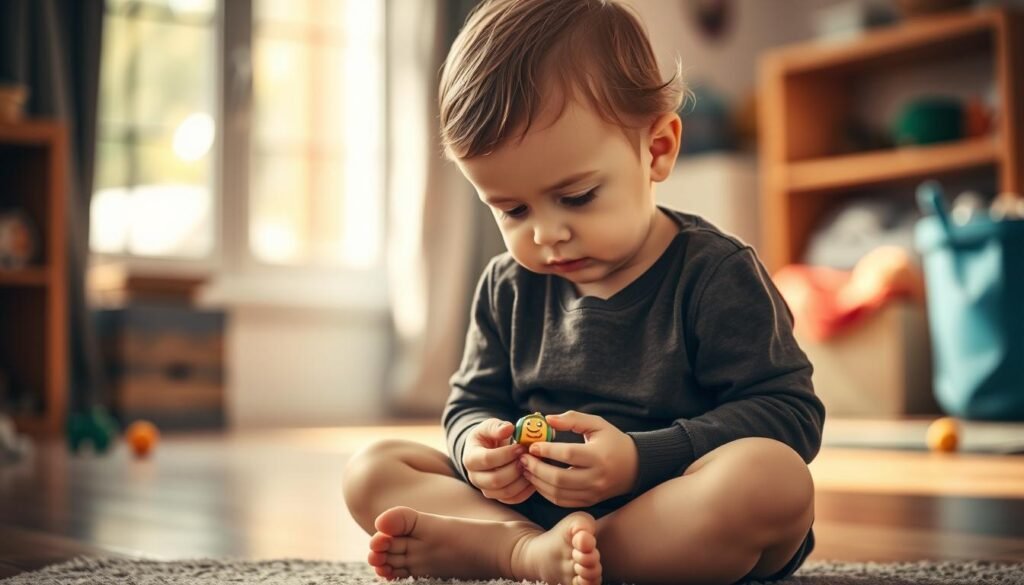
Watching kids closely tells us a lot about their behavior changes at home, school, and in the community. By noticing what triggers these changes, how they respond, and what happens next, it gets easier to understand kids. We start to see patterns, identify their skills, and spot what causes them stress. This helps us support their growth accurately and timely.
Typical vs. Atypical Behaviour
Healthy behavior changes as kids grow but still works for them. It helps them get what they want or avoid what they don’t, and gets better with routine, clear directions, and learning new skills. As kids practice these skills and get feedback, they become more flexible.
But some behavior doesn’t get better with common supports like a regular schedule or praise. If these behaviors get worse or show up in different places, that’s a sign. Kids might struggle to join in play, learn, or do everyday tasks, even when we try to make things easier for them.
Signs of Healthy Behaviour Development
Healthy growth means kids are getting better at communicating. They use words, signs, or AAC to show what they need or how they feel. They can wait for a bit, handle being told “no,” and follow simple steps that help form their daily routines.
You’ll also see them asking for help or a break clearly, playing in ways that practice limits and self-control, and slowly getting better at eating and taking care of themselves. These signs mean their behavior is moving in the right direction. It shows us they’re on track with their development and helps us really understand them in day-to-day life.
Red Flags to Watch For
- Lack of progress across motor, language, cognitive, or social-emotional domains over months.
- Severe or chronic aggression, self-injury, or profound feeding difficulties.
- Rigid, nonfunctional routines that block learning or relationships.
- Extreme anxiety or mood symptoms appearing in early childhood.
If you start seeing these warning signs, it’s time to ask for help. Talk to a family doctor or your local health office. They can refer you to special services and early help. This way, you can find out exactly what your child needs. It helps you support their growth in the best way possible.
The Role of Play in Behaviour Development
Play is a child’s own lab: a safe zone where they start to manage themselves, talk more, and play together. These activities help sharpen their focus, calm their excitement, and enhance their problem-solving. Play reflects key milestones in a child’s growth, showing how closely it’s linked to core development principles.
Types of Play and Their Impact
Free play allows kids to make their own goals and resolve disputes. It teaches them self-control, cooperation, and handling emotions. But when kids have too many scheduled activities or screen time, they miss out on practicing these critical skills.
Supervised play-fighting lets kids explore limits and understand social signals. They learn to adjust their strength, pause when told, and respect others’ feelings. This helps them control impulses and show empathy during energetic moments.
Sensorimotor play in young kids connects physical movements with everyday actions. Activities like reaching and grasping prepare them for tasks like eating and dressing. This early play sets the foundation for important behaviors, combining senses, movement, and focus into consistent routines.
Play and Social Skills Development
Playing with peers helps kids learn social skills. They get to practice asking for their turn, waiting, and apologizing when they make mistakes. Adults can help by showing them what to say, praising them, and encouraging kind behavior during play.
By age three, kids start to pick up habits and preferences from their friends. This includes their choice of toys and roles, often influenced by gender. Playing under guidance allows kids to explore different identities while learning to respect others. Through these experiences, we can see clear patterns in how they grow and reach key milestones in their development.
Strategies to Support Behaviour Development
Support that works well combines caring relationships, clear teaching, and firm systems. When families and schools share routines, kids’ behavior gets stable. This part gives easy steps that link studies to everyday life, helping us understand kids’ behavior better.
Encouraging Positive Behaviour
Begin with the bond: notice and praise a child when they use a good skill like waiting, sharing, or seeking help. Describe what they did and its good effect: “You waited your turn for the swing; that helped everyone.” This connects actions to positive outcomes.
Show how to communicate calmly and cope. Use simple directions—“Stop. Breathe. Ask.”—and show how during calm times. Offer choices like “Would you like to read or do a puzzle?” to help them cooperate. This method teaches kids to make choices themselves.
Setting Boundaries and Expectations
Give instructions that are clear and short, one at a time, and make sure they understand. Begin tasks together, like cleaning up, before having them do it alone, gradually reducing your help. Use timers or calendars to show when fun activities will happen, cutting down on disagreements.
Always stay calm and consistent. If there’s a rule about screen time, stick to it but offer something else fun to do. Having predictable rules builds trust and makes a child’s behavior better in different places.
Using Positive Reinforcement
Use “if–then” routines: “Do your homework, then you can ride your bike.” Combine this with rewards they’ll love, like extra story time or playing outside. For behavior that seeks attention, ignore it briefly when safe and then praise any better behavior shown, as suggested by the Child Mind Institute.
Teach skills for the reason behind the behavior. For behaviors to get out of things, practice asking for a break. For behaviors to get things, teach them how to ask nicely or wait a little. Use calming tools and take small steps to get better at waiting.
Find help through doctors or community centers. Programs for early help and advice for parents improve home strategies and help us understand kids’ behavior as they grow.
The Importance of Social Interactions
Social exchanges help young minds learn rules, roles, and empathy. In kids, these moments guide behavior and understanding across different settings. This is crucial at home, school, and during play.
Peer Relationships and Behaviour
By age three, children start sorting the world into categories and imitate their peers. In playgroups and schools, norms are taught through praise and teamwork. This influences their choices and how they adopt new ideas.
Peers influence each other’s choices due to exposure to screens and brands. Kids often want snacks, games, and clothes that friends like. This shows how belonging and status affect behavior in free play and on teams.
- Modeling: Kids copy peers who get attention or lead.
- Reinforcement: Being accepted and invited to play encourages specific behaviors.
- Norm signaling: Group routines, like cleanup songs, create standards.
The Role of Family in Behaviour Development
Caregivers form the foundation for understanding behavior with structure and support. Clear routines and consistent actions are key. Celebrating small accomplishments reinforces good behavior.
Before kids can fully talk, families teach requests through gestures or pictures. Tailoring strategies to a child’s needs helps behavior development. In the U.S., many programs support families with screenings and classes that honor their culture.
- Practical moves: Teach how to express feelings and solve problems.
- Consistent contingencies: Be clear about what behavior gets attention.
- Choice architecture: Giving two good choices boosts self-control and independence.
Peer influence and family support together shape kids. They learn to join in, lead, and fix relationships. These are key in understanding behavior and growing every day.
Assessing Behavioural Development
Assessing children helps us see how they develop and learn in their daily routines. We can link what we see kids do to what they need. This way, teams can offer help early. It makes it easier for families to understand changes in their kids without feeling bad. It also shows that how kids behave can change and grow.
Tools and Assessments
Thorough check-ups cover different areas like moving, talking, thinking, playing, and feelings. Doctors or nurses start the process if they see something that concerns them. Then, experts like psychologists and speech therapists get involved. They help figure out what kids are good at and what they need help with.
An assessment that looks at behavior focuses on why something is happening. It checks what leads to a behavior and what happens after. This helps teams understand why a child acts a certain way. Then, they can support the child better. This method connects why kids act the way they do to things that can help them.
The results help set goals that fit how a child is growing. Families can then find programs and services to help keep kids on track. This includes support at home and school. A cycle of watching, changing, and checking makes sure kids keep progressing.
| Assessment Focus | Purpose | Who Typically Leads | Examples of Data Collected |
|---|---|---|---|
| Developmental Screening | Identify early risk and need for referral | Family physician, public health nurse | Milestone checklists, parent questionnaires |
| Standardized Evaluation | Measure domain-specific skills | Licensed psychologist, speech-language pathologist, occupational therapist | Norm-referenced scores, language samples, fine-motor tasks |
| Functional Behavior Assessment | Determine behavior function for intervention | Behavior analyst, school psychologist | ABC observations, setting events, reinforcement patterns |
| Progress Monitoring | Track change across time | Educators, therapists, families | Goal attainment scales, frequency counts, daily logs |
When to Seek Professional Help
If you see your child is struggling in different places or getting more upset, it’s time to get help. Also, if your kid seems very scared or sad for a long time, they might need to see someone.
When a child’s behavior stops them from joining in at home, school, or outside, getting help early is key. Early help can make a big difference, especially for autism or other big health issues. It also helps families find good programs for young kids.
If you notice your child’s behavior changing quickly or intensely, ask a professional for advice. Working together with experts helps make sure the support fits your child’s needs. This keeps their development moving forward.
The Role of Education in Behaviour Development
School is much like a daily testing ground for children’s growth. Kids learn to manage themselves, feel for others, and solve problems through everyday tasks. They get to exercise attention, recall, and get driven amidst peers, showing us how they evolve.
Classrooms help kids follow a schedule and take turns. These activities boost thinking skills and lessen confusion. During recess, kids play freely. This is their time to practice talking things out, fixing arguments, and controlling their feelings.
School Environment and Behaviour
Good schools are clear about what they expect from students. Kids do well when rules are shown, told, and applied evenly everywhere. Being able to choose partners or the order of work makes students feel in control and stay focused.
Breaking tasks into smaller parts helps kids keep going. Checklists and feedback show them their hard work pays off. This approach fits well with kids’ psychological growth, helping them master being patient, taking turns, and thinking flexibly when working with others.
- Clarity: clear rules and cues make what’s expected obvious.
- Reinforcement: rewards like praise or privileges encourage good behavior.
- Play: short breaks for play help kids manage themselves and get along better.
Teacher Support and Resources
Visual schedules and timers help teachers signal when it’s time to switch activities. Reward systems show progress and encourage kids to keep trying. Ignoring attention-seeking disruptions—safely—teaches kids there are better ways to get noticed.
Taught to express needs properly, students ask for turns or help before getting upset. Working with families and experts ensures school and home efforts match, aiding students with Autism Spectrum Disorder (ASD) and others significantly.
- Give clear, short praise for actual behaviors shown.
- Provide options to empower students and reduce avoidance.
- Encourage saying sorry, rejoining the group, and looking back on actions.
These methods, rooted in understanding children’s psychology, track and maintain progress in learning and social skills, everywhere from classrooms to homes.
Conclusion: The Future of Behaviour Development
Science tells us that early experiences shape our future. When we explore Behaviour Development in Children, we discuss how it influences self-control, communication, and the ability to judge socially. Studies in developmental psychology reveal that even minor improvements can lead to significant habits in school and society.
Lifelong Impact of Early Behaviour Development
Early stages like learning to eat help with later self-management and decision-making. Playing with peers teaches rules and how to handle disagreements. Getting the right help early, especially for autism, can improve skills needed for school and beyond. This makes child development more visible and manageable in everyday life.
Continuing Support and Growth
The ABC framework—Antecedent, Behavior, Consequence—adjusts plans as needs change. It focuses on teaching new skills, how to deal with stress, and solving problems. Families can use various resources, including programs designed for Indigenous children, to keep improving and achieve fairness.
In the next ten years, combining proven behavior strategies with community and cultural understanding will be key. Controlling what affects our children—from screen time to ads and peer influence—is crucial from a young age. By using developmental knowledge and practical approaches, we can turn theory into everyday success. This ensures that children grow up to lead fulfilling lives.
FAQ
What is behaviour development in children?
Behaviour development tracks how kids start to act, manage themselves, and interact from a young age. We see it unfold as they grow, through how they react, communicate, and adjust. The ABCs—what happens before, the action itself, and the outcome—help us understand why kids behave as they do. This can be about seeking or avoiding attention, things, activities, feelings, or discomfort.
Why is behaviour development important?
The early years lay the groundwork for learning, mental well-being, and friendships. Spotting issues early and stepping in can help avoid bigger problems later. This is crucial for kids facing challenges, like Autism Spectrum Disorder. Getting involved in early learning boosts skills across key areas like movement, speaking, thinking, and emotions.
What are the main stages of behaviour development?
Babies rapidly get better at things like eating in their first two years. By three, they start understanding gender roles. As they grow into preschool and school age, they get better at talking, controlling themselves, and joining in with others. During this time, their actions often aim to get something or avoid something.
How does behaviourism explain children’s behaviour?
Behaviourism says that what happens after an action shapes future actions. By looking at what leads to and follows an action, we can figure out why it happens. We can use rewards to encourage good behaviour, ignore what we don’t want, and set up certain steps to motivate kids.
What is the role of cognitive development in behaviour?
Early on, kids learn to control actions and solve problems, starting with basic things like eating. By about three years, they identify with gender, which helps them learn rules and how to act.
How does social learning shape child behaviour?
Kids copy what they see around them—from family, friends, teachers, and TV. Peer groups play a big part in gender-stereotyped play and choices. Through play, children learn about limits, empathy, taking turns, and controlling themselves.
How do genetics and environment interact in behaviour development?
Kids come into the world ready to learn, but they need experiences like eating and playing to shape their preferences and actions. A stable, loving environment and rich experiences help kids learn skills to deal with life’s challenges.
How do parenting styles affect behaviour?
Good parenting involves being consistent, setting clear rules, showing how to ask properly, and helping kids handle emotions. If parents are not consistent, they might accidentally encourage bad behaviour. Some helpful tips include giving kids choices and rewarding efforts.
How does socioeconomic status influence children’s behaviour development?
Where kids live can affect their access to health checks, learning programs, and support services. Programs run by public health, doctors, and community groups can make a big difference, especially for Indigenous families when the services respect their culture.
What behaviour milestones occur from 0–3 years?
In the first three years, kids make big strides in controlling their actions and starting to communicate. Before they can talk well, their actions often show what they need. It’s important to teach them how to ask for things properly, wait, and follow simple steps.
What milestones define preschool behaviour (3–5 years)?
As preschoolers learn to talk better, they rely less on tough behaviours to get what they want. Play helps them learn about limits and self-control. Managing screen time is also important for setting routines and making good choices.
What behaviour changes are typical in school-age children (6–12 years)?
Older kids get better at planning, waiting, and asking for help. Systems that reward good behaviour, clear rules, and choices can encourage them to cooperate. Friends become a big influence, teaching them about social norms and behaviours.
How can we tell typical from atypical behaviour?
Usual behaviour has a purpose and improves with support and teaching new skills. Troublesome patterns are intense, keep getting worse, or seriously interfere with life and don’t get better with normal help.
What are signs of healthy behaviour development?
Signs of doing well include using words or other ways to communicate, being able to wait, understanding simple if-then ideas, asking for help, playing in a way that shows they understand limits, and making steady progress in self-care and eating.
What red flags in behaviour should prompt concern?
Be on the lookout for slow progress, severe aggression, hurting themselves, big eating problems, sticking too strictly to routines, or worrying signs of stress or sadness in young kids. If you see these, it’s time to talk to a doctor or public health for advice.
How does play influence behaviour development?
Playing freely helps kids learn to negotiate, control themselves, and solve problems. Early physical play lays the groundwork for actions like eating. Supervised rough-and-tumble play can help prevent aggression later by teaching limits and reading social cues.
How does play build social skills?
Through play, children practice asking for turns, waiting, sharing, and resolving conflicts. Adults can show positive ways to interact and give good attention for using these skills alongside clear communication.
How can caregivers encourage positive behaviour?
Build strong bonds; praise good behaviour specifically; show how to handle feelings and ask properly; offer choices; and set clear routines using visuals, timers, and simple steps.
What boundaries and expectations work best?
Give clear instructions and stick to them; tailor tasks to what the child can do; and explain rewards with simple language and timers. Being consistent helps a lot.
How should positive reinforcement be used?
Reward good actions right away and be specific. Use rewards, ignore attention-seeking behaviours safely, and always teach a better way to act that fits with what they want.
How do peer relationships shape behaviour?
By age 3, kids understand gender roles, and friends encourage fitting in. Media and ads also push certain choices, especially about food. Adults can guide them towards positive behaviours and habits.
What is the family’s role in behaviour development?
Families help shape good behaviour by being consistent, communicating well, and using effective strategies. Things like praising, asking properly, giving choices, and matching approaches to the behaviour’s goal are key. Having access to resources that respect the family’s culture can boost these efforts.
What tools assess behaviour development?
Full checks look at movement, talking, thinking, social, and emotional areas. Assessments focus on what leads up to and follows an action to find out its purpose and plan how to help. Screenings start with family doctors or nurses.
When should families seek professional help?
Get help for ongoing delays, increasing aggression, major eating problems, early signs of stress or sadness, or issues that mess up everyday life. Getting help early can improve chances and reduce future difficulties, especially for kids with ASD or other concerns.
How does the school environment support behaviour?
Schools provide structured routines that help build essential skills like following plans, waiting, and asking for help. Visual guides, timers, and clear rules add to the consistency, while classmates influence social norms.
What resources can teachers use?
Teachers can use strategies based on behavior analysis, like setting clear expectations, giving consistent rewards, using visual schedules, giving choices, breaking down tasks, and teaching how to communicate needs. Working together with families and health experts ensures everyone is on the same page.
What is the lifelong impact of early behaviour development?
Starting strong with self-control, communication, and joining in sets the path for doing well in school, staying healthy mentally, and taking part in the community. Early skills, like eating properly, support later abilities in self-care and managing tasks, with effects that last a lifetime.
How can progress be sustained over time?
Keep an eye on behaviour, support new skills, and adjust help as needed. Make the most of public health, school resources, and programs that understand cultural needs. These steps help maintain growth and deal with influences from the outside, like ads.
What is children behavior development and how does it relate to milestones?
Child behavior development is about kids learning to do things, manage themselves, and get along with others, linked to key milestones. These milestones are things like being patient, using if-then logic, improving play, and getting better at eating and taking care of themselves. We can see these through observing and guiding actions.
How does understanding child behavior guide practical strategies at home?
Knowing why kids act a certain way helps us teach them better ways to ask for what they want or need. By offering clearer choices, praising good actions, and structuring tasks well, we can avoid many issues before they start.
What is child development behavior in the context of developmental psychology in kids?
In kid’s developmental psychology, behavior is about how genetics and surroundings work together to shape how well kids can adapt and function. Research-backed methods like rewards, guided play, and early support turn theory into real-world action.