

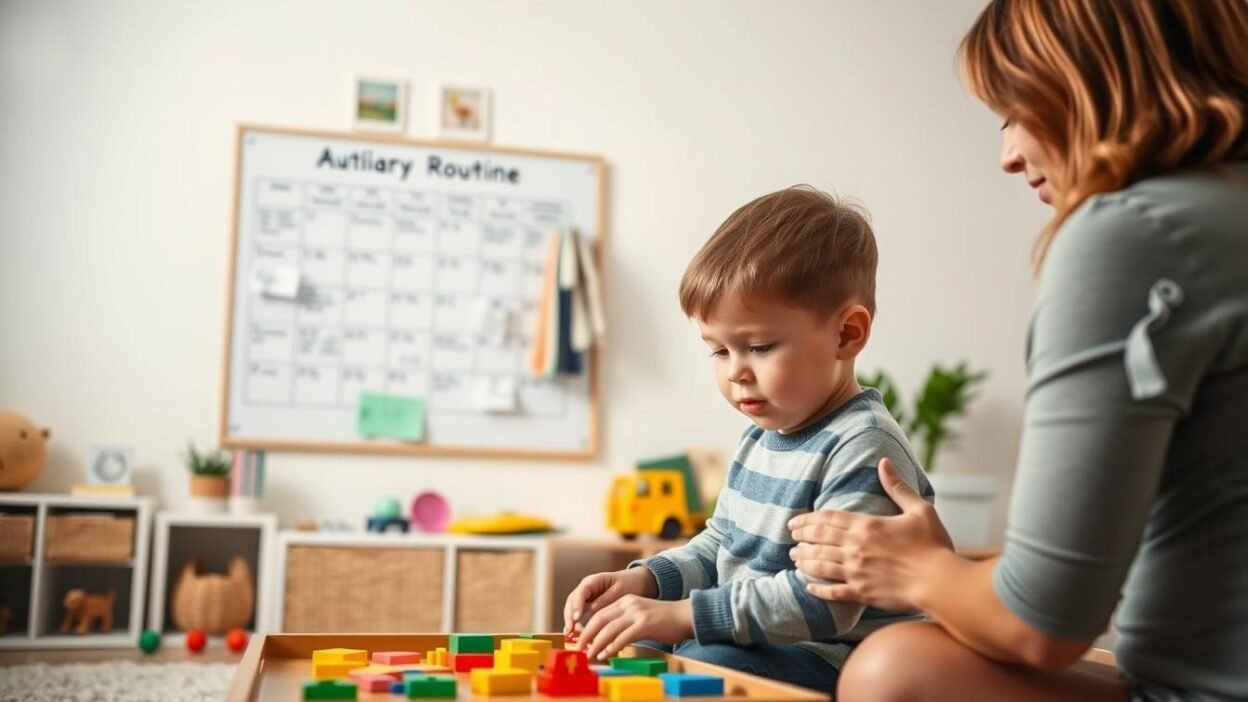
Parenting is tough, but after-school can feel like a minefield. It’s hard for parents and kids, but even more so for those with autism. They love routine and predictability.
Having a structured routine helps kids feel safe and comfortable. It’s key for after-school. For kids with autism, a routine makes life easier.
Parenting a child with unique developmental or learning needs can feel overwhelming, but informed guidance can make the journey more empowering. The Parenting & Family section provides practical strategies for communication, behavioural support, emotional connection, and building a calm home environment. Parents can explore related insights in the Special Needs Awareness category to better identify early signs and understand underlying needs. For clarity about developmental progress, the Developmental Milestones resources offer age-specific benchmarks that help caregivers set realistic expectations. When learning challenges arise, the Learning Disabilities category provides targeted support strategies for school and homework. For emotional wellbeing—both for children and parents—PsyForU.com offers mental-health tools rooted in psychology. Those wanting to build stronger routines, reduce stress, or cultivate intentional family habits can enhance their journey with guidance from IntentMerchant.com. These connected platforms ensure that parents never feel alone and always have trusted support at every step.
Key Takeaways
- After-school transitions can be challenging for children with autism.
- A structured routine can provide stability and comfort.
- Creating a routine tailored to autism can ease transitions.
- Parents can benefit from a smoother after-school transition.
- A well-planned routine can enhance the child’s overall well-being.
Understanding the Importance of After-School Routines
Creating a consistent after-school routine is key for kids with autism. It gives them a sense of security and stability. The Parenting with Understanding podcast says meeting a child’s emotional and sensory needs first can prevent many power struggles.
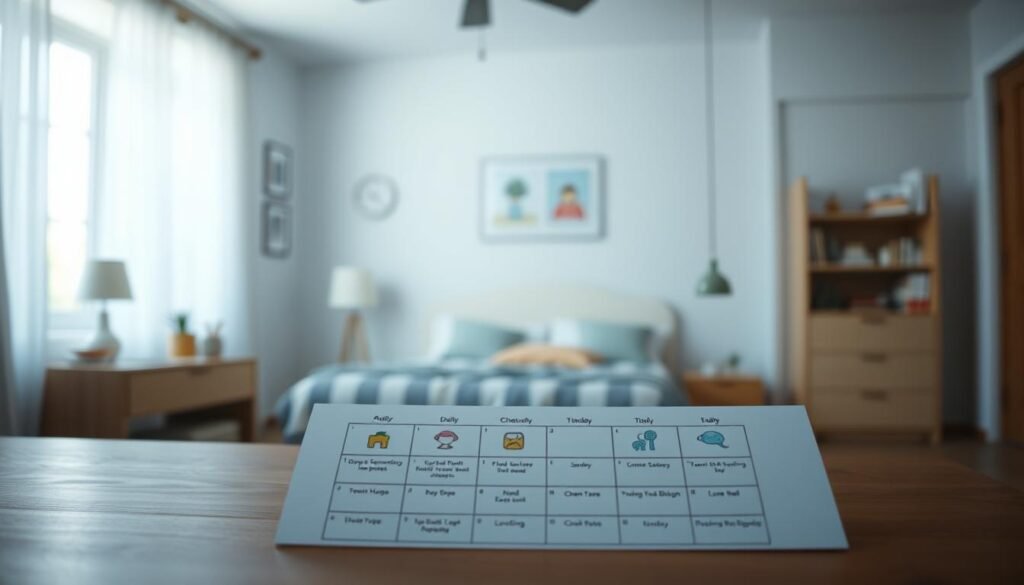
For kids with autism, a structured after-school routine is very important. It helps them adjust from school to home. This change can be hard because of the new environment and different expectations.
Why Children with Autism Need Structured Transitions
Children with autism find it hard to adapt to changes in their routine. This is because they struggle with flexibility. Structured transitions offer a clear, predictable sequence of events. This reduces anxiety and stress.
The Science Behind Routine and Predictability
Research shows that routine and predictability are vital for those with autism. They help reduce uncertainty and give a sense of control. This aligns with the preference for “sameness” often seen in individuals with autism.
Benefits of Consistent After-School Structures
Consistent after-school structures bring many benefits. They improve behavior management, emotional regulation, and academic performance. A predictable routine makes kids with autism feel more secure and in control.
“Consistency is key when it comes to establishing routines for children with autism.” This consistency helps avoid power struggles. It also makes the transition from school to home activities smoother.
Common Challenges During After-School Transitions
Children with autism often struggle during after-school times. They face issues like sensory overload and trouble controlling their emotions. Moving from a strict school setting to a more relaxed home can be tough. It needs careful handling to make the transition smooth.
Sensory Overload After a Day at School
A day at school can be too much for kids with autism, causing sensory overload. They might need to move a lot or just relax when they get home. The Parenting with Understanding podcast says knowing these issues is key to solving them.
It’s important to help kids manage sensory overload after school. This helps them unwind and get used to being at home.
Emotional Regulation Difficulties
Handling emotions is another big challenge for kids with autism after school. They might find it hard to control their feelings after being around people and doing structured activities all day. This can lead to meltdowns or bad behavior if they don’t get the right support.

Communication Barriers
Talking effectively is key during after-school times. But kids with autism might find it hard to say what they need or feel. This makes it tough for them and their caregivers to connect. Finding ways to improve communication can really help with the transition.
Energy Depletion and Fatigue
The school day can be very tiring for kids with autism, leading to energy depletion and fatigue. This tiredness can make it hard for them to do things after school. They need a balance between rest and doing structured activities.
Understanding these common challenges is the first step for caregivers. It helps them find ways to support kids with autism during after-school times. This can greatly improve their well-being and help them get through this important period.
Assessing Your Child’s Specific After-School Needs
Understanding your child’s needs after school is key to a good routine. It’s about knowing what stresses them and when they get tired. This helps make a plan just for them.
Identifying Triggers and Stress Points
Children with autism face certain triggers that can upset them. Figuring out these triggers is important. They might include changes, too much noise, or social situations.
Recognizing Signs of School-Day Fatigue
After a long school day, kids with autism often feel tired. Spotting the signs of this, like being short-tempered or unfocused, helps parents act fast. To help, create a calm spot and encourage rest.
Documenting Patterns and Responses
Tracking how your child reacts to different things after school is helpful. It shows what works and what doesn’t. This lets you tweak the routine to better fit your child’s needs.
| Trigger | Common Signs | Mitigation Strategies |
|---|---|---|
| Sensory Overload | Covering ears, avoiding eye contact | Providing a quiet space, using ear protection |
| Changes in Routine | Anxiety, resistance to change | Using visual schedules, preparing for changes in advance |
| Social Interactions | Withdrawal, irritability | Teaching social skills, providing downtime |
By knowing and tackling your child’s after-school needs, you can make their life better. This reduces stress and makes the after-school time more enjoyable.
Creating a Structured Routine for Autism: Core Principles
Creating a structured routine is vital for kids with autism. It gives them a sense of security and predictability. This routine helps reduce anxiety and behavioral issues, improving their life quality.
Consistency and Predictability
Consistency is key for a structured routine for kids with autism. It means sticking to a regular schedule and doing daily activities in a predictable way. This makes them feel secure and in control.
Visual Supports and Cues
Visual supports and cues are vital for a structured routine. They help kids with autism understand and follow the schedule better. Pictures, symbols, or schedules can be used as cues and supports.
Balancing Structure with Flexibility
Structure is important, but so is flexibility. Kids with autism may face unexpected situations or changes. Teaching them to be flexible and adapt is essential for their growth.
Incorporating Special Interests
Adding special interests to the routine makes it more fun for kids with autism. Using their interests can make the routine more effective and motivating.
| Core Principle | Description | Benefits |
|---|---|---|
| Consistency and Predictability | Maintaining a regular schedule and predictable daily activities | Reduces anxiety, enhances sense of security |
| Visual Supports and Cues | Using visual aids to support understanding and following the schedule | Improves comprehension, reduces confusion |
| Balancing Structure with Flexibility | Teaching adaptability to changes and unexpected situations | Enhances resilience, promotes coping skills |
| Incorporating Special Interests | Leveraging special interests to make the routine more engaging | Increases motivation, makes routine more enjoyable |
Designing Your After-School Schedule
Creating a good after-school schedule is key for kids with autism. It gives them a sense of safety and what to expect. A clear schedule makes the move from school to home easier, cutting down on stress. Using autism routine strategies, parents can make a space that meets their child’s special needs.
Sample Schedules for Different Age Groups
Younger kids need more play and simple learning, while older ones need homework and clubs. Here’s a look at what different ages might need:
| Age Group | 3:00-3:30 PM | 3:30-4:30 PM | 4:30-5:00 PM |
|---|---|---|---|
| Preschool (3-5 years) | Snack Time | Playtime/Outdoor Activities | Quiet Time/Reading |
| School Age (6-12 years) | Homework/Quiet Time | Snack Time/Outdoor Play | Homework/Reading |
| Teenagers (13+ years) | Relaxation/Leisure Time | Homework/Study Time | Extracurricular Activities |
Customizing Routines Based on Individual Needs
Every child with autism is different. Their schedule should match their needs and likes. For example, if a child loves to draw, adding art time can boost their creativity and calmness.
Breaking Down the Afternoon into Manageable Blocks
Dividing the afternoon into smaller parts helps kids with autism stay on track. These parts can include:
Transition Time
This is about helping the child adjust from school to home. It might be listening to soothing music or doing a calming activity.
Homework Period
Setting aside time for homework ensures the child has a quiet spot to work.
Free Time Structure
Letting the child pick activities they enjoy, like reading or drawing, helps them relax and recharge.
By organizing the after-school time this way, parents can help their kids find a good balance between homework and play. This is key for their growth and happiness.
The First 30 Minutes: Critical Transition Strategies
Helping kids with autism smoothly move from school to home is key. The first 30 minutes set the stage for the rest of the day. Good strategies during this time can lessen anxiety and improve behavior.
Creating a Calming Arrival Ritual
A calming ritual when kids get home can make a big difference. The Parenting with Understanding podcast suggests a consistent, soothing activity. This could be having a snack, reading, or doing something quiet.
Decompression Activities
Decompression activities help kids adjust from school to home. They might include deep breathing, listening to calming music, or doing a favorite hobby. These activities help manage stress and anxiety.
Managing the Initial Transition
Managing the first moments home is all about smooth flow. A visual schedule or checklist of afternoon plans helps. This clear structure makes the transition easier for kids.
Greeting Protocols That Reduce Anxiety
Greeting kids calmly and predictably is important. A simple greeting, hug, or comforting ritual can set a positive tone. It helps reduce anxiety and makes the afternoon better.
| Strategy | Description | Benefits |
|---|---|---|
| Calming Arrival Ritual | Engage in a soothing activity upon arrival | Reduces anxiety, promotes relaxation |
| Decompression Activities | Deep breathing, calming music, or a favorite hobby | Manages stress, improves mood |
| Managing Initial Transition | Use visual schedules or checklists | Provides structure, reduces confusion |
“Having a consistent daily routine can make a significant difference in the life of a child with autism. It provides them with a sense of security and stability.”
Moving from School to Home Smoothly
Transitioning from school to home can be tough for kids with autism. It needs careful planning. A good autism routine plan can make this easier for everyone.
Transportation Considerations
The trip home from school is key. For kids with autism, the bus or car sounds and movements can be too much. Parents can prepare them with visual stories or by talking about what to expect.
Preparing the Home Environment
Making the home welcoming and calm is important. Set up a quiet spot for your child to relax after school. Adding structured activities for autism to the routine can also help.
Communication Between School and Home
Talking well between school and home is essential. It helps parents understand their child’s day and any challenges. This way, parents can adjust autism therapy and activities to meet their child’s needs.
Using Transition Objects and Comfort Items
Transition objects or comfort items can offer reassurance. These could be a favorite toy or blanket. They help kids feel secure and reduce anxiety when moving from school to home.
Managing Sensory Overload After School
Sensory overload after school is a big worry for families with kids who have autism. They often feel too much from what they see and hear. This can get worse after a day at school.
Creating Sensory-Friendly Spaces
One key way to handle sensory overload is to make your home a calm place. This means setting up areas that are easy on the senses. Dimming lights, using comfortable seating, and keeping background noise down helps a lot.
Calming Activities and Techniques
There are many ways to calm down after school. Deep breathing exercises, progressive muscle relaxation, and visualization can really help. Doing things you love or are good at can also make you feel better.
When to Implement Sensory Breaks
Sensory breaks are vital for kids with autism to take a breather. They should take these breaks regularly in the afternoon, after busy or stressful times. If they start to get upset or pull away, it’s time for a break.
Sensory Diet Components for After School
A good sensory diet has a mix of activities for different senses. After school, this might include physical activities like running or swimming. It could also include tactile experiences like playdough or sand, and auditory integration like listening to soft music. The goal is to find a balance that suits the child’s needs.
| Sensory Need | Activity Examples |
|---|---|
| Tactile | Playdough, sand, finger painting |
| Auditory | Listening to calming music, nature sounds |
| Proprioceptive | Running, swimming, climbing |
| Visual | Dimming lights, using visual schedules |
Balancing Homework and Play Time
Children with autism do well with a routine that mixes schoolwork and fun. This mix is important for their feelings and learning.
Structured Homework Approaches
Using a set way to do homework helps kids with autism stay on track. This can include:
- Creating a dedicated homework space
- Breaking down tasks into manageable chunks
- Using visual schedules to outline homework tasks
Incorporating Special Interests into Learning
Adding a child’s favorite topics to homework makes it more fun. For example, math problems or reading can be about things they love. This makes learning more fun and interactive.
Setting Realistic Academic Expectations
It’s important to set goals that fit the child’s abilities and challenges. This lowers stress and makes learning a positive experience.
Creating Effective Homework Stations
A tidy homework area helps kids focus better. It should have few distractions, all needed supplies nearby, and good lighting.
By mixing homework and play well, kids with autism get a better after-school life. This mix is vital for their happiness and school success.
Implementing Visual Schedules for After-School Success
Visual schedules are key for kids with autism after school. They offer a clear plan, cutting down on stress and making afternoons better.
Types of Visual Supports for Different Ages
Young kids do well with simple pictures, while older ones might like symbols or written tasks. It’s all about what works best for each child.
Creating and Using Visual Schedules
First, list the main activities after school. Use images or symbols that mean something to your child. Make sure it’s easy to see and update it when things change.
Digital vs. Physical Visual Aids
Digital and physical aids both have their perks. Physical ones are hands-on and clear, while digital ones are flexible and easy to change. It’s about what your child likes and needs.
Teaching Schedule Independence
Help your child learn to use the schedule on their own. Start by having them check it often. Then, slowly let them do it by themselves as they get more confident.
| Age Group | Type of Visual Schedule | Benefits |
|---|---|---|
| Preschool | Picture schedules | Easy to understand, promotes routine |
| School-age | Symbol or text-based schedules | Enhances independence, reduces anxiety |
| Teenagers | Digital schedules or apps | Flexible, easily updated, promotes self-management |
Using visual schedules well can make a big difference for kids with autism after school. It helps them smoothly move from school to home.
Autism Routine Strategies for Difficult Days
Children with autism often face tough days, but a solid autism routine plan can help a lot. Knowing what these kids go through helps parents find ways to handle tough days better.
Identifying Early Warning Signs
Spotting early signs of a tough day is key. These signs might be changes in behavior, more anxiety, or being extra sensitive to sounds or sights. Catching these signs early lets parents act fast to stop things from getting worse.
Implementing Preventative Measures
When signs are spotted, it’s time to act. This might mean changing the daily plan, adding extra help, or using behavior management to ease stress and worry.
Modified Routines for High-Stress Days
On stressful days, it’s smart to adjust the routine. This could mean making tasks easier, cutting back on homework, or adding more breaks. An individualized education plan can guide these changes.
Recovery Plans After School Incidents
Having a plan for after a tough day is vital. This plan should include calming activities, emotional support, and ways to make the child feel safe and stable again. A good recovery plan helps the child calm down and get back to normal.
| Strategy | Description | Benefits |
|---|---|---|
| Identifying Early Warning Signs | Recognizing changes in behavior or increased anxiety | Allows for timely intervention |
| Implementing Preventative Measures | Adjusting daily routines and providing additional support | Reduces stress and anxiety |
| Modified Routines for High-Stress Days | Simplifying tasks and reducing homework | Accommodates the child’s needs on challenging days |
| Recovery Plans After School Incidents | Calming activities and emotional support | Helps the child recover and rebuild stability |
Nutrition and Physical Activity in Your After-School Routine
Nutrition and physical activity are key for kids with autism after school. A good routine with these elements helps their well-being. It also makes the transition from school to home easier.
Snack Strategies for Energy Management
Snacks are important for keeping energy up after school. Healthy snack options like fruits, nuts, and veggies with hummus are great. They help keep energy stable.
Addressing Food Sensitivities and Preferences
Kids with autism might have certain food sensitivities or likes. It’s important to meet these needs for their nutrition. Talking to a healthcare provider or nutritionist can help a lot.
Incorporating Movement and Exercise
Exercise is vital for kids with autism. It helps with sensory integration and health. Activities can be sports or simple exercises like jumping jacks or yoga.
The Connection Between Nutrition and Behavior
Nutrition and behavior are closely linked for kids with autism. Some foods can make behavior worse, while others help. Knowing this helps manage after-school routines better.
Handling Routine Disruptions and Changes
Supporting children with autism means being ready for routine changes. They need structured routines but also need to adapt. This helps them grow strong and flexible.
Preparing for Unexpected Changes
Preparation is key when dealing with unexpected changes. Talk about possible changes ahead of time. Use pictures or calendars to show what’s coming.
Teaching Flexibility Within Structure
It’s important to teach kids to be flexible within their routines. Small changes can help them learn to adapt. This makes them more resilient.
Recovery Strategies After Meltdowns
Meltdowns can happen even with the best planning. Having a plan to help them calm down is vital. This can include a quiet space, comfort items, or soothing activities.
Using Social Stories for Transition Challenges
Social stories are great for explaining complex situations to kids with autism. They tell a story about what’s happening. This helps kids understand and feel less anxious.
| Strategy | Description | Benefits |
|---|---|---|
| Preparing for Changes | Discussing possible changes ahead of time | Reduces anxiety, improves adaptability |
| Teaching Flexibility | Making small changes to the routine | Enhances resilience, promotes adaptability |
| Recovery Strategies | Creating a calm space, using comfort items | Helps in recovering from meltdowns, reduces stress |
| Social Stories | Stories explaining complex situations | Improves understanding, reduces anxiety |
Collaborating with Therapists and Educators
Working together is key for kids with autism during after-school times. Parents, therapists, and educators can make a strong support team. They help meet the child’s needs in different places.
Integrating Therapy Goals into Home Routines
It’s important to mix therapy goals into daily life at home. This means using what’s learned in therapy in homework or play. For example, if a child is improving their fine motor skills, they can practice during arts and crafts at home.
Sharing Successful Strategies Across Settings
Sharing strategies helps keep support consistent for the child. Teachers can share what works in class, and therapists can share therapy techniques. This way, parents can use similar methods at home, helping the child learn more.
Creating Consistent Approaches
Being consistent is vital for kids with autism. A stable environment helps them feel secure. Everyone involved should understand the child’s needs and how to support them.
When to Seek Additional Support
Knowing when more help is needed is important. If a child struggles a lot after school, or if current support isn’t enough, more resources might be needed. This could mean talking to specialists, getting more therapy, or finding better after-school programs.
| Collaboration Strategies | Description | Benefits |
|---|---|---|
| Integrating Therapy Goals | Incorporating therapy strategies into home routines | Enhanced skill development, improved consistency |
| Sharing Successful Strategies | Exchanging effective techniques across settings | Reinforced learning, improved support system |
| Creating Consistent Approaches | Developing a shared understanding of the child’s needs | Stable and predictable environment, reduced anxiety |
Conclusion: Building Lasting Success with Structured After-School Routines
Parents and caregivers can make a big difference by setting up a structured routine for kids with autism after school. A consistent and predictable schedule helps reduce anxiety and stress. This allows children to do their best.
Creating a smooth transition from school to home is key for kids with autism. Using visual supports and balancing structure with flexibility helps. It also addresses their sensory needs. This approach improves emotional control, reduces meltdowns, and boosts overall happiness.
By using the strategies shared, parents can achieve lasting success with after-school routines. Start making a routine that fits your child’s needs. Be patient and keep making adjustments as needed. With the right approach, kids with autism can confidently handle the after-school transition, leading to success in all areas of life.
FAQ
What is the importance of establishing a structured routine for children with autism after school?
A structured routine is key for kids with autism after school. It gives them a sense of stability and predictability. This helps reduce anxiety and stress from school to home.
How can visual supports and cues be used to aid in after-school transitions for children with autism?
Visual supports like schedules help kids with autism understand their after-school routine. This makes transitions smoother and easier to manage.
What are some common challenges faced by children with autism during after-school transitions?
Challenges include sensory overload, emotional regulation issues, communication barriers, and feeling tired. A well-structured routine can help overcome these challenges.
How can parents assess their child’s specific needs after school to create an effective after-school plan?
Parents can identify their child’s needs by looking for triggers and stress points. They should also watch for signs of tiredness and document patterns. This helps create a personalized plan.
What role does consistency and predictability play in creating a structured routine for children with autism?
Consistency and predictability are vital for a structured routine. They make kids with autism feel secure and in control. This reduces anxiety and the chance of meltdowns.
How can sensory overload be managed after school in children with autism?
To manage sensory overload, create sensory-friendly spaces. Use calming activities and techniques. Also, include sensory diet components in the after-school routine.
What is the significance of balancing homework and play time in the after-school routine?
It’s important to balance homework and play time. This ensures kids with autism rest and enjoy activities while also doing their homework.
How can visual schedules be implemented for after-school success?
Implement visual schedules by creating a clear after-school routine. Use visual supports that fit the child’s age. Teach them to follow the schedule independently.
What strategies can be used to manage difficult days and high-stress situations in children with autism?
Manage difficult days by identifying early warning signs and using preventative measures. Modify routines for stressful days. Have recovery plans ready.
How can nutrition and physical activity be incorporated into the after-school routine to support children with autism?
Incorporate nutrition and physical activity by providing healthy snacks and addressing food sensitivities. Include movement and exercise. Understand how nutrition affects behavior.
How can parents handle routine disruptions and changes in the after-school routine?
Handle disruptions by preparing for unexpected changes. Teach flexibility within structure. Use recovery strategies after meltdowns. Use social stories for transition challenges.
What is the importance of collaborating with therapists and educators in supporting children with autism?
Collaborating with therapists and educators is key. It ensures consistency and continuity in supporting kids with autism. It integrates therapy goals into home routines and shares successful strategies.
How can cognitive behavioral therapy and social skills training be integrated into the after-school routine?
Integrate cognitive behavioral therapy and social skills training by working with therapists. Develop strategies for the home environment. Support the child’s overall development.
What is the role of individualized education plans in supporting children with autism in the after-school routine?
Individualized education plans are vital. They provide a tailored approach to educational needs. This approach can extend to the after-school routine.
How can speech therapy be incorporated into the after-school routine to support children with autism?
Incorporate speech therapy by working with speech therapists. Develop communication strategies for the home environment. Support the child’s communication needs.
What is the significance of using visual schedules and structured activities in supporting children with autism?
Visual schedules and structured activities are significant. They provide a clear and predictable routine. This helps kids with autism navigate the after-school period more easily.