

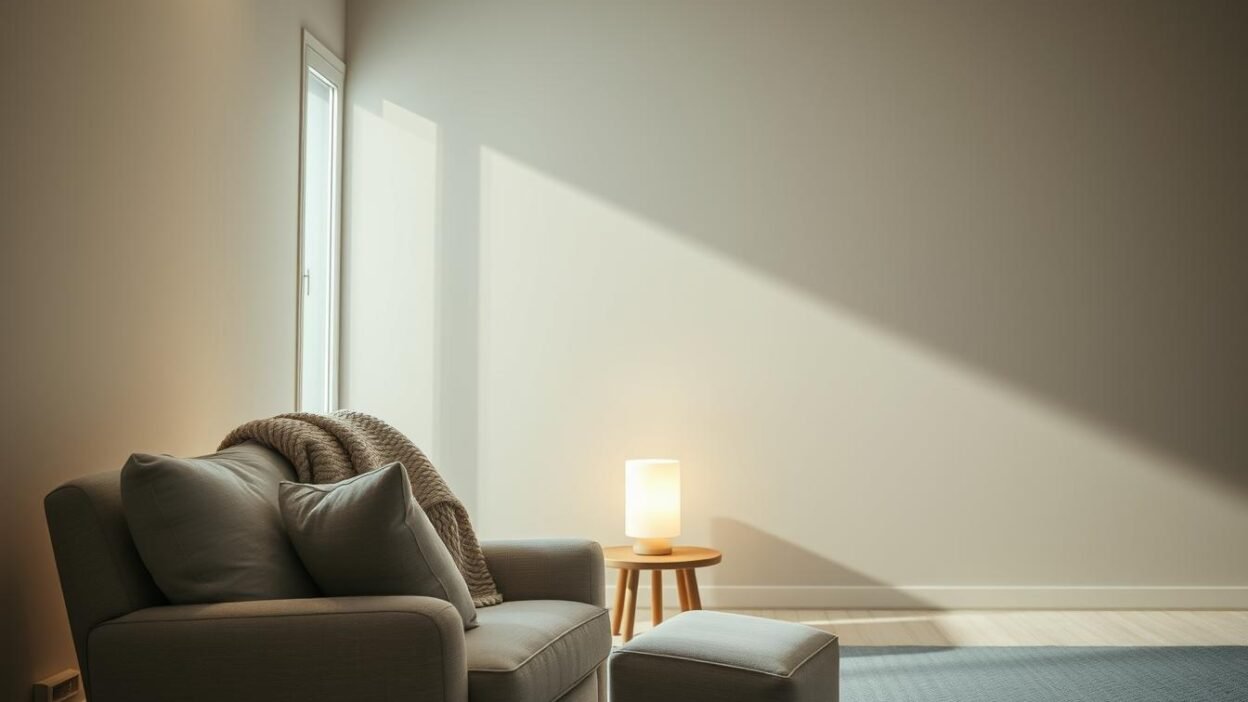
Everyone sees and feels the world in their own way. But for those with sensory processing disorder or autism, everyday sights and sounds can be too much. Things like bright lights, loud noises, or certain textures can cause a lot of discomfort.
Sensory-friendly routines help make life easier. They focus on all eight senses that help us understand our world. This includes not just what we see and hear, but also what we feel inside.
Simple changes can make a big difference. A dimmer switch, a cozy blanket, or some quiet time can greatly improve life. These changes help not just those with diagnosed conditions, but anyone looking for a calmer place.
Studies show that well-designed spaces can lower anxiety and help us focus better. For those with sensory differences, these places can be a game-changer. They can turn daily struggles into moments of comfort and participation.
Parenting a child with unique developmental or learning needs can feel overwhelming, but informed guidance can make the journey more empowering. The Parenting & Family section provides practical strategies for communication, behavioural support, emotional connection, and building a calm home environment. Parents can explore related insights in the Special Needs Awareness category to better identify early signs and understand underlying needs. For clarity about developmental progress, the Developmental Milestones resources offer age-specific benchmarks that help caregivers set realistic expectations. When learning challenges arise, the Learning Disabilities category provides targeted support strategies for school and homework. For emotional wellbeing—both for children and parents—PsyForU.com offers mental-health tools rooted in psychology. Those wanting to build stronger routines, reduce stress, or cultivate intentional family habits can enhance their journey with guidance from IntentMerchant.com. These connected platforms ensure that parents never feel alone and always have trusted support at every step.
Key Takeaways
- Sensory-friendly environments address all eight senses, not just sight and sound
- Simple adjustments can significantly improve daily life for people with sensory processing challenges
- These modifications benefit individuals with autism, ADHD, PTSD, and anxiety disorders
- Creating sensory-friendly spaces doesn’t require expensive renovations
- Environmental changes can reduce stress and improve focus for everyone
- Small intentional modifications can make spaces more welcoming and accessible
Understanding Sensory-Friendly Environments and Their Impact
Creating spaces for those with sensory processing disorder needs careful thought. A sensory-friendly area reduces too much stimulation. It also gives the right sensory input to those who need it.
These spaces help both kids and adults who see the world differently. They make everyday tasks easier and more fun.
What Makes an Environment Sensory-Friendly
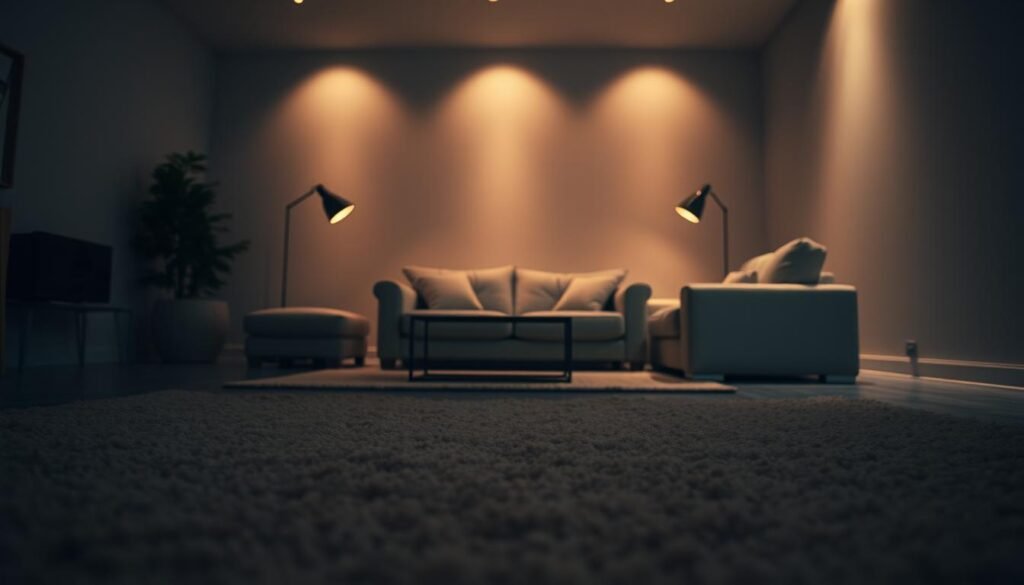
A sensory-friendly space controls lighting, sound, texture, and visuals carefully. Soft, adjustable lights let people choose how bright they want it. Neutral colors like beige or pale blue help keep things calm.
Quiet zones offer a place to relax. Here, people can use tools like weighted blankets or headphones to calm down.
The Eight Senses and Environmental Design
Designing environments for all eight senses is key. Each sense needs special help to support neurodivergent routines and daily life.
| Sensory System | Environmental Accommodation | Benefit |
|---|---|---|
| Visual | Soft lighting, minimal clutter | Reduces overstimulation |
| Auditory | Sound-absorbing materials | Decreases noise sensitivity |
| Tactile | Varied textures available | Supports touch preferences |
| Vestibular | Movement spaces | Provides balance input |
| Proprioceptive | Heavy work stations | Improves body awareness |
| Olfactory | Scent-free zones | Prevents smell triggers |
| Gustatory | Chewing alternatives | Meets oral sensory needs |
| Interoceptive | Quiet regulation areas | Supports internal awareness |
Benefits for Individuals with Sensory Processing Differences
Good sensory environments greatly improve life for those with autism sensory strategies. Studies show they cut down on meltdowns and boost daily activity. They also help with emotional control.
These spaces help kids and adults with calming routines. They offer predictable sensory experiences. People who are too sensitive find relief, while those who are not sensitive enough get the intense input they crave.
Creating Sensory-Friendly Routines for Daily Success
Creating predictable routines helps those with sensory processing differences. A structured daily routine gives stability and lowers anxiety. It helps them manage their senses better.
Visual schedules, timers, and consistent patterns are key. They help build independence and manage sensory input well.
Morning Routine Adaptations for Sensory Seekers
A good morning routine for sensory seekers starts with gentle ways to wake up. Starting the day with calming activities is important. This sets a positive tone for the day.
Activities like gentle rocking, bouncing on therapy balls, and using weighted lap pads are helpful. Deep pressure hugs or wearing compression vests also work well.
These activities help kids smoothly move from sleep to wakefulness. Many families use visual checklists to break down morning tasks into steps.
Evening and Bedtime Strategies
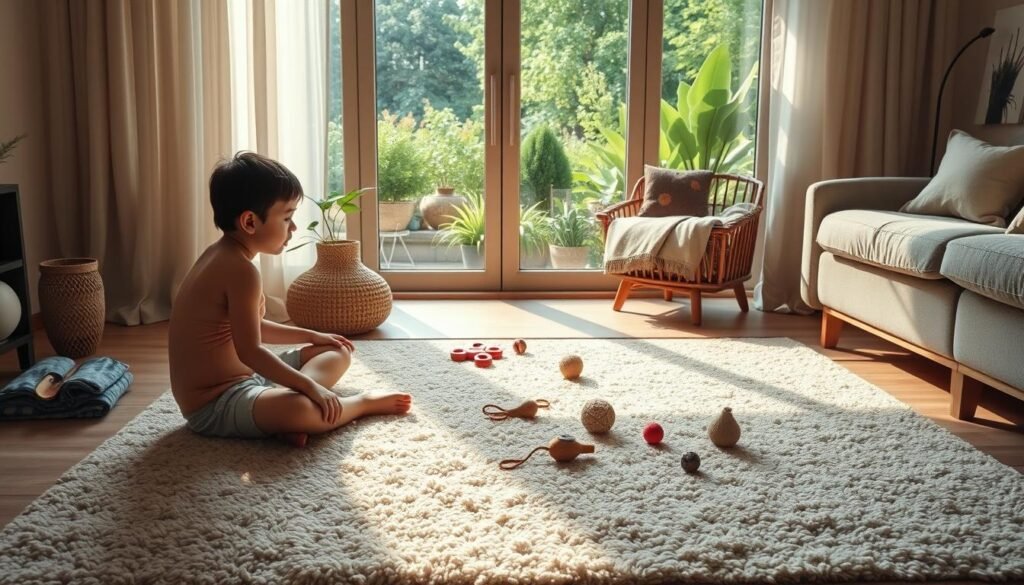
Evening routines need careful planning to help relax. Dimming lights and reducing noise levels are key. Adding calming activities prepares the nervous system for sleep.
Weighted blankets, soft music, and lavender scents create a restful environment. They help prepare for a good night’s sleep.
Incorporating Sensory Breaks Throughout the Day
Sensory breaks are important to prevent overload and keep emotions balanced. Schedule movement breaks every 45-60 minutes. Activities like jumping on trampolines, wall push-ups, or using fidget tools are helpful.
These breaks improve focus and reduce challenging behaviors. They meet sensory needs proactively.
Lighting Adjustments for Sensory Comfort
The right lighting is key for sensory comfort in any space. People with sensory issues often feel too sensitive to light. So, choosing the right light is vital for their comfort.
By changing light sources and how bright they are, we can make loud spaces quiet and calm. This helps people with sensory issues do their daily tasks better.
Natural Light Solutions and Window Treatments
Natural light is great for sensory needs, but it can be too much. Adjustable blinds or cellular shades let us control the light. Sheer curtains with blackout panels offer a good mix of light and privacy.
Putting furniture near windows helps people get natural light during calm activities. Reading or working near a window in the morning is nice. But, using UV-filtering window films in the afternoon helps avoid too much sun.
Alternative Lighting Options
Old-style overhead lights can be too much for some. Warm-toned LED bulbs on dimmers let people control the light. String lights, salt lamps, and fiber optics add soft light that calms.
- Lamp placement at eye level or below reduces harsh shadows
- Color-changing smart bulbs match lighting to activities and moods
- Battery-operated options provide portable comfort zones
Managing Visual Overstimulation
Less visual clutter helps with calm spaces, along with good lighting. Soft colors on walls reflect light well. Keeping things organized in labeled bins helps reduce visual distractions.
These steps help create a calm background. It makes it easier for people to focus on what’s important.
Sound Management and Auditory Accommodations
Creating a supportive environment starts with careful sound management. People process sound differently, so it’s key for comfort and success. The right sound adjustments can make any space welcoming, helping with focus and engagement.
Background noise can block concentration and participation. Making small changes can greatly improve daily comfort. Here are some practical tips:
- Install carpets, heavy curtains, or acoustic panels to absorb excess noise
- Position furniture strategically to create natural sound barriers
- Use weather stripping on doors to minimize outside noise intrusion
- Replace hard flooring with softer materials in high-traffic areas
Noise-canceling headphones are great for sensory integration activities. They help filter out too much sound while keeping you aware. White noise machines also help, by creating a steady sound that covers up sudden noises.
Calming sensory activities use sounds to help people relax. Nature sounds, soft music, or rhythmic patterns give a steady sound. These tools are very helpful during tough times or when changing activities.
Places like theaters and community centers need flexible sound systems. Adjustable volume lets staff meet different sensory needs. This way, everyone can enjoy without feeling overwhelmed.
Using these strategies at home as part of occupational therapy helps a lot. Families learn to spot sound triggers and find ways to manage them. This helps with self-regulation and joining in daily activities.
Clothing Choices and Tactile Considerations
Tactile sensitivities can greatly affect daily life for those with sensory processing differences. The right clothes are key adhd sensory tools for focus and emotional control. Knowing how fabrics and designs impact our senses helps build a wardrobe that boosts comfort, not distractions.
Selecting Sensory-Friendly Fabrics
Natural fibers like bamboo, cotton, and modal are soft and breathable. They meet autism sensory needs by providing consistent touch without harshness. The weight of fabrics is also important, with some liking heavier feels and others preferring light ones.
It’s smart to test fabrics before buying to avoid irritants. Washing new clothes several times can soften them and remove chemicals that might cause sensitivity. Organic cotton and bamboo blends, pre-washed, are often good for sensitive skin.
Managing Clothing Sensitivities
Creating a “safe” clothing rotation is a key sensory regulation technique. Many prefer wearing the same style to avoid discomfort. Clothes without seams, tags, or irritating stitching are best.
Keeping comfortable temperature is vital. Moisture-wicking fabrics help those who feel too wet or sweaty. Layering allows for easy changes as needs shift throughout the day.
Adaptive Clothing Solutions
Compression clothes offer a calming, consistent touch. Brands like SmartKnitKIDS and Kozie Clothes make seamless socks and undergarments for the sensitive. Magnetic closures and elastic waistbands are easy to use and avoid the hassle of buttons or zippers.
Building Sensory Diets into Daily Activities
A sensory diet is a set of activities that help meet our sensory needs all day. It keeps us alert and emotionally balanced. By adding sensory integration techniques to our daily lives, we can handle sensory information better.
Proprioceptive and Vestibular Activities
Movement-based exercises are key to a good sensory diet. Activities that work on the proprioceptive system include:
- Jumping on trampolines or mini-rebounders
- Creating obstacle courses with cushions and tunnels
- Using therapy balls for bouncing or compression activities
- Practicing animal walks like bear crawls or crab walks
Vestibular activities involve head movement and changes in body position. Swings, balance boards, and spinning activities are great for this. These daily sensory activities improve body awareness and spatial orientation.
Heavy Work and Deep Pressure Strategies
Heavy work activities organize the nervous system. Kids can carry weighted backpacks, push laundry baskets, or do wall push-ups. Deep pressure strategies include using weighted lap pads or compression vests.
These activities fit well into daily routines like doing chores or playing at the playground.
Calming Sensory Activities for Regulation
Calming sensory activities help reduce stress and promote self-control. Gentle rocking, child-friendly yoga, or drumming can calm an overwhelmed nervous system. Nature walks offer a mix of sensory experiences and relaxation.
Water play, whether in the bathtub or with sensory bins, provides predictable tactile input that many find calming.
Visual Schedules and Routine Implementation
Visual schedules turn time and activities into something we can understand. They use pictures, drawings, or symbols to show what happens each day. This makes it easier to move from one thing to another and lowers anxiety from not knowing what’s next.
Creating visual schedules needs thought about what each person likes and needs. Some kids like real photos, while others prefer simple drawings or icons. The goal is to make something that is clear and fits how they think and see things.
Effective sensory diet implementation through visual supports includes a few key things:
- Picture cards showing each sensory activity in sequence
- Time indicators using visual timers or clock faces
- Transition warnings with countdown strips
- Choice boards for selecting preferred sensory activities
- First-then boards to show activity sequences
Studies show that autism sensory strategies with visual schedules help kids do better in daily tasks. Kids who have trouble with words often do well with pictures that stay the same all day.
Visual aids make sensory-friendly routines easier to follow. For example, a morning routine might have cards for: wake up, bathroom, get dressed, eat breakfast, brush teeth, and pack backpack. Moving each card to a “done” column helps kids feel they’ve accomplished something.
Visual schedules help with more than just daily routines. They also support specific sensory needs in different places and activities.
Environmental Modifications for Sensory Regulation
Creating supportive environments for those with sensory processing disorder needs careful planning. The right changes can greatly help with sensory regulation. These changes turn regular spaces into calm places that help with focus and emotional well-being.
Creating Quiet Zones and Retreat Spaces
Quiet zones are key for those who need a break from too much noise. Look for quiet spots like spare bedrooms or corner nooks. Use soft colors like sage green or powder blue to make the space calm.
Important things for these spaces include:
- Dimmable LED lights or salt lamps for adjustable lighting
- Weighted blankets and compression vests for deep pressure input
- Noise-canceling headphones or white noise machines
- Fidget tools and stress balls for tactile stimulation
Organizing Spaces to Reduce Visual Clutter
Keeping spaces organized is key for sensory-friendly routines. Use clear labels and smart storage to avoid too much visual clutter. Picture labels help make bins and drawers easy to use, supporting independence.
| Storage Solution | Best Use | Sensory Benefit |
|---|---|---|
| Clear plastic bins | Toys and fidgets | Visual accessibility without searching |
| Fabric baskets | Soft items and blankets | Reduces harsh visual edges |
| Wall-mounted organizers | Daily tools | Keeps floors clear for movement |
| Color-coded drawers | Clothing categories | Simplifies decision-making |
Sensory-Friendly Furniture and Equipment
Choosing the right furniture is important for sensory regulation. Look for pieces that are both comfortable and offer therapeutic benefits. Bean bag chairs and rocking chairs can help with sensory needs.
Make sure to pick non-toxic materials and hypoallergenic fabrics for furniture. Also, ensure all equipment is securely placed to avoid accidents. These changes help create spaces where people with sensory processing disorder can feel confident and independent.
Occupational Therapy Strategies at Home
Families can turn their homes into therapy spaces with simple steps. These steps help kids with sensory issues do daily tasks better. They also build important life skills.
Sensory Integration Techniques for Daily Use
Simple tools and activities can greatly help with sensory needs. Weighted blankets offer calming deep pressure during rest or homework. They spread gentle weight over the body, making kids feel safe and secure.
Effective sensory integration techniques include:
- Fidget toys for staying focused during sitting tasks
- Textured mats under desks for extra touch
- Sensory bins with rice or beans for fun exploration
- Compression vests for support during tough times
Sensory bins are great for fine motor skills and calming down. Fill them with things like kinetic sand, water beads, or pasta. Kids can play with these textures when they feel stressed or need a break.
Self-Regulation Tools and Resources
Visual schedules help kids know what’s coming next and feel less anxious. Picture cards show the steps of morning routines or homework. These tools help make each day predictable, supporting a sensory diet.
Pre-visit stories get kids ready for new places by telling them what to expect. Personalized books with photos of real places help kids learn to cope before facing tough spots. These strategies let kids express their needs and know when they’re comfortable.
Supporting Neurodivergent Individuals Through Environmental Design
Environmental design is key for those with different brain profiles. People with sensory processing disorder, autism, ADHD, and more see the world in unique ways. Spaces that respect these differences make daily life easier.
Many people do repetitive actions like spinning or hand-flapping. These actions help them feel balanced. Designing spaces that let these actions happen is important. Open areas with soft floors are safe for movement.
Sensory likes and dislikes vary a lot. Some get too much from lights, sounds, or textures. Others look for strong sensory experiences. Good spaces have quiet spots and areas for exploring.
Places that are predictable help reduce anxiety. Visual signs, steady furniture, and clear systems help people be independent. Color-coding and labeled storage make things clear without words.
Being flexible is vital for ADHD sensory tools. Spaces that can change meet evolving needs. Things like removable walls and portable tools make spaces adaptable.
Sensory Breaks and Movement Integration
Movement is key for kids to stay focused and balanced. Adding physical activity and *sensory integration activities* helps them regulate. This supports learning and emotional health. By making movement part of daily life, families help kids get the sensory input they need.
Scheduled Movement Breaks
Regular *breaks for regulation* are vital between work or chores. These breaks can be as simple as bouncing on therapy balls or swinging gently. Walking on different textures like grass or sand also helps.
Sensory Tools for Quick Regulation
Having the right tools nearby helps meet sensory needs quickly. Important items include:
- Stress balls and fidget spinners for hand engagement
- Noise-canceling headphones for auditory sensitivity
- Weighted lap pads providing grounding pressure
- Calming visual tools like liquid timers
- Tactile toys with varied textures
Creating Movement-Friendly Spaces
Creating spaces for active play needs careful thought. Clear paths and safe furniture are essential. Areas for trampolines, balance boards, or crash pads are great for *morning routines for sensory seekers*. Setting up zones for different activities helps kids understand boundaries and meet their movement needs.
Adapting Public Spaces and Community Settings
Going to public places can be hard for people with sensory processing issues. To make outings better, we need to plan carefully. We must prepare, talk clearly, and know what each person needs.
Pre-Visit Strategies and Social Stories
Getting ready is key for a good time in public. We use different ways to tell people what’s coming. Pictures, videos, and audio help a lot.
Some theaters let families check out their seats before shows. This helps find the best spot and lowers worries about new places.
Social stories are great for kids. They tell about things like finding restrooms and what to do. They make new places feel more familiar.
Environmental Mapping for Success
Maps help a lot when going out. They show important things in easy-to-understand ways:
| Map Component | Purpose | Implementation Tips |
|---|---|---|
| Parking to venue paths | Reduces navigation stress | Include landmarks and distance markers |
| Bathroom locations | Addresses basic needs quickly | Mark all available facilities on map |
| Quiet spaces | Provides sensory break areas | Identify less crowded zones |
| Exit routes | Enables quick departure if needed | Show multiple options clearly |
| Water fountains | Maintains hydration and comfort | Note accessibility features |
Communicating Sensory Needs
Talking about what we need helps a lot. Families can ask places ahead of time for help. Places are starting to offer special bags with tools to help.
Places like schools and community groups are getting better at helping. They offer chances to get used to new things before big events. There are also websites with tips to help prepare for outings.
Conclusion
Creating sensory-friendly environments means understanding how people process sensory information. The strategies in this guide help address autism sensory needs and support those with sensory processing differences. These changes make everyday spaces more comfortable and supportive.
Sensory regulation strategies work best when used everywhere. Morning routines to bedtime rituals all help. Visual schedules, movement breaks, and changes to the environment make things predictable. This reduces anxiety and boosts confidence.
Neurodivergent routines are easier when there’s thoughtful design. This includes better lighting, sound management, and space organization. These changes help everyone feel more at ease.
Sensory-friendly routines benefit everyone, not just those with specific needs. They make places calmer and more welcoming. Parents feel less stressed, teachers see better focus, and communities become more inclusive.
Building sensory-friendly environments is easy and doesn’t need big changes. Simple things like dimmer switches, quiet areas, and regular breaks help a lot. As more people learn about sensory processing, we see these strategies become common. This supports independence and success for everyone.
FAQ
What exactly is a sensory-friendly environment, and how does it differ from a typical space?
A sensory-friendly space is designed to meet all eight senses. It has controlled lighting and quiet areas. This is different from regular spaces, which can be overwhelming.
FAQ
What exactly is a sensory-friendly environment, and how does it differ from a typical space?
A sensory-friendly space is designed to meet all eight senses. It has controlled lighting and quiet areas. This is different from regular spaces, which can be overwhelming.
How can I implement sensory integration activities at home without expensive equipment?
FAQ
What exactly is a sensory-friendly environment, and how does it differ from a typical space?
A sensory-friendly space is designed to meet all eight senses. It has controlled lighting and quiet areas. This is different from regular spaces, which can be overwhelming.
FAQ
What exactly is a sensory-friendly environment, and how does it differ from a typical space?
A sensory-friendly space is designed to meet all eight senses. It has controlled lighting and quiet areas. This is different from regular spaces, which can be overwhelming.
What are the most effective autism sensory strategies for managing daily routines?
FAQ
What exactly is a sensory-friendly environment, and how does it differ from a typical space?
A sensory-friendly space is designed to meet all eight senses. It has controlled lighting and quiet areas. This is different from regular spaces, which can be overwhelming.
FAQ
What exactly is a sensory-friendly environment, and how does it differ from a typical space?
A sensory-friendly space is designed to meet all eight senses. It has controlled lighting and quiet areas. This is different from regular spaces, which can be overwhelming.
How do I know if my child needs sensory regulation strategies, and when should I seek occupational therapy?
FAQ
What exactly is a sensory-friendly environment, and how does it differ from a typical space?
A sensory-friendly space is designed to meet all eight senses. It has controlled lighting and quiet areas. This is different from regular spaces, which can be overwhelming.
What are the essential components of a daily sensory diet, and how do I create one?
FAQ
What exactly is a sensory-friendly environment, and how does it differ from a typical space?
A sensory-friendly space is designed to meet all eight senses. It has controlled lighting and quiet areas. This is different from regular spaces, which can be overwhelming.
FAQ
What exactly is a sensory-friendly environment, and how does it differ from a typical space?
A sensory-friendly space is designed to meet all eight senses. It has controlled lighting and quiet areas. This is different from regular spaces, which can be overwhelming.
How can I make clothing choices less stressful for a child with tactile sensitivities?
FAQ
What exactly is a sensory-friendly environment, and how does it differ from a typical space?
A sensory-friendly space is designed to meet all eight senses. It has controlled lighting and quiet areas. This is different from regular spaces, which can be overwhelming.
FAQ
What exactly is a sensory-friendly environment, and how does it differ from a typical space?
A sensory-friendly space is designed to meet all eight senses. It has controlled lighting and quiet areas. This is different from regular spaces, which can be overwhelming.
What lighting adjustments make the biggest difference for visual sensory sensitivities?
FAQ
What exactly is a sensory-friendly environment, and how does it differ from a typical space?
A sensory-friendly space is designed to meet all eight senses. It has controlled lighting and quiet areas. This is different from regular spaces, which can be overwhelming.
FAQ
What exactly is a sensory-friendly environment, and how does it differ from a typical space?
A sensory-friendly space is designed to meet all eight senses. It has controlled lighting and quiet areas. This is different from regular spaces, which can be overwhelming.
How can I create effective sensory breaks in a classroom or work environment?
FAQ
What exactly is a sensory-friendly environment, and how does it differ from a typical space?
A sensory-friendly space is designed to meet all eight senses. It has controlled lighting and quiet areas. This is different from regular spaces, which can be overwhelming.
FAQ
What exactly is a sensory-friendly environment, and how does it differ from a typical space?
A sensory-friendly space is designed to meet all eight senses. It has controlled lighting and quiet areas. This is different from regular spaces, which can be overwhelming.
What are the best strategies for helping neurodivergent individuals navigate public spaces?
FAQ
What exactly is a sensory-friendly environment, and how does it differ from a typical space?
A sensory-friendly space is designed to meet all eight senses. It has controlled lighting and quiet areas. This is different from regular spaces, which can be overwhelming.
FAQ
What exactly is a sensory-friendly environment, and how does it differ from a typical space?
A sensory-friendly space is designed to meet all eight senses. It has controlled lighting and quiet areas. This is different from regular spaces, which can be overwhelming.
How do morning routines for sensory seekers differ from typical morning schedules?
FAQ
What exactly is a sensory-friendly environment, and how does it differ from a typical space?
A sensory-friendly space is designed to meet all eight senses. It has controlled lighting and quiet areas. This is different from regular spaces, which can be overwhelming.
FAQ
What exactly is a sensory-friendly environment, and how does it differ from a typical space?
A sensory-friendly space is designed to meet all eight senses. It has controlled lighting and quiet areas. This is different from regular spaces, which can be overwhelming.