

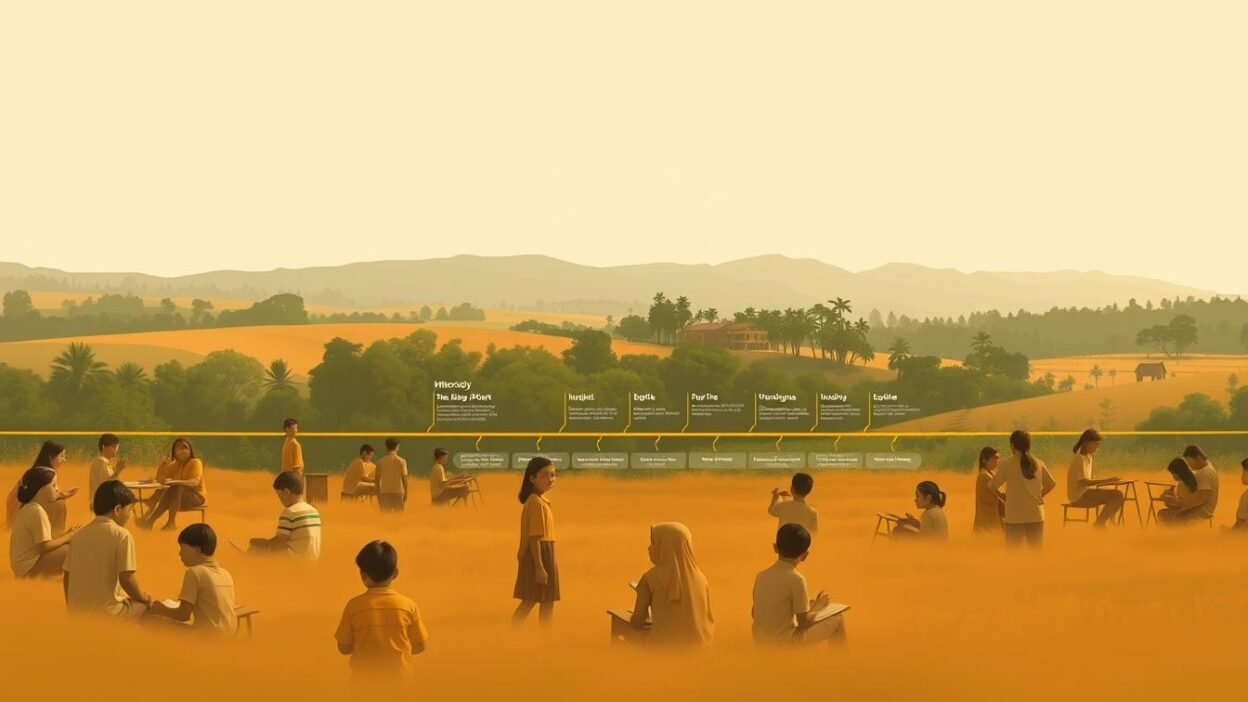
What if the usual story we know—merit first, fairness next—is missing a bigger truth? What if inclusion is actually the heart of educational progress, not just a trend?
This part talks about the long journey of inclusive education. It goes from a time of exclusion, to integration, and then to a real sense of belonging. We look at how inclusion in schools evolved through issues of race, gender, and ability. We also see how laws, culture, and teaching methods changed together. This gives us a clear picture of how inclusive schooling has shaped today’s classrooms in India.
In the United States, important milestones created a foundation based on rights. The Brown v. Board of Education case in 1954 stopped “separate but equal” schooling. The Civil Rights Act of 1964 made sure everyone had access to education. The Education for All Handicapped Children Act of 1975 promised free appropriate public education. And the Americans with Disabilities Act of 1990 saw disability as an issue of civil rights. Later laws ensured that schools support all students in the best way possible. Around the world, UNESCO’s Salamanca Statement in 1994 started a global move toward inclusive education. A forum in 2024 will keep pushing for Education for All.
India’s approach to diverse education takes cues from these global steps but also fits them to local needs. The growth of inclusive classrooms in India includes different teaching styles, technology, and a culture that welcomes everyone. However, there are still hurdles like making sure individual support and class-wide learning go hand in hand. We also need to overcome stereotypes and see differences as strengths, not weaknesses. Understanding how inclusive education has developed is key to making teaching better and more caring.
By looking back at the inclusive education movement, we connect history to now. This way, policy shapes teaching, and good intentions lead to real results.
Creating an inclusive learning environment begins with understanding the diverse needs of children and the supports required to help them thrive. The Inclusive Education category on SpecialNeedsForU connects parents and educators with practical insights on adapting classrooms, promoting equal participation, and fostering a supportive school culture. To identify early developmental differences that influence inclusion, families can explore Special Needs Awareness and track age-appropriate growth through Developmental Milestones. For learners who face academic challenges, the Learning Disabilities section offers targeted strategies and evidence-based interventions. Parents seeking emotional and behavioural guidance to support inclusion at home can visit PsyForU, while caregivers aiming to build stronger routines, communication, and stress-free learning environments can rely on the mindset and productivity resources available at IntentMerchant. Together, these interconnected platforms help families and educators create classrooms where every child feels welcome, understood, and empowered to learn.
Key Takeaways
- Inclusive schooling history goes from leaving people out to welcoming everyone based on civil rights laws.
- U.S. landmarks—from Brown v. Board to the ADA and IDEA—helped set global standards, boosted by UNESCO’s Salamanca Statement.
- India’s journey in inclusive education mixes global ideas with local actions through special teaching methods and tech.
- The movement towards inclusive education means seeing diversity as a strength, not a problem.
- Successful inclusion in schools needs a welcoming culture, clear support measures, and ongoing training for teachers.
- Challenges still include dealing with stereotypes, closing the gap in resources, and finding a balance in support for every student.
Defining Inclusive Education and Its Global Movement
Inclusive education is based on a civil-rights belief. It promises every student, no matter their disability, race, or gender, can learn fully and freely. It pushes schools to tackle hurdles directly, instead of sidelining students. This method sees everyone’s differences as natural and connects learning environments to justice, safety, and chances for all.
Inclusive education philosophy and approaches
The approach now understands students as ‘different’ rather than ‘disabled’. This change is supported by studies on neurodiversity. Simon Baron-Cohen points out that autism is both a disability and a difference. He promotes supporting these students while honoring who they are.
Inclusive teaching mixes strategies like Universal Design for Learning, team teaching, and adaptive assessments. These methods shape the education to fit the students, not the other way around. This matches the visions of UNESCO and Indian education reforms aiming for fairness for everyone. When schools plan for diverse needs from the start, the benefits of inclusive learning reach every student, from those speaking multiple languages to kids in rural areas.
Inclusive education models vs. special education integration
Some tried to merge special education by merely placing these students in regular classes. This method often lacked proper support. On the other hand, inclusive education rebuilds the foundation. It includes various learning paths, flexible groups, and daily use of assistive technology in the lessons.
There are big differences in how staff are used and how students are assessed. Integration puts special help on the sidelines. In contrast, inclusive education involves teamwork in planning and holding everyone responsible. This leads to better access, less negative labeling, and more effective tracking of student growth.
| Dimension | Special education integration | Inclusive education models | Design focus |
|---|---|---|---|
| Student fits existing lessons | Lessons fit learner variability | ||
| Instruction | |||
| Pull-outs; limited adjustments | UDL, co-teaching, multimodal supports | ||
| Assessment | |||
| After-the-fact accommodations | Flexible evidence and formative checks | ||
| Social impact | |||
| Physical presence, mixed belonging | Belonging by design, peer learning |
Importance of inclusive education for students with disabilities
In the U.S., laws like the ADA and IDEA prove what can be done. Over 90% of kids with disabilities learn in mainstream schools. More than half of them spend most of their school day in general education settings. These numbers show how vital inclusive education is for access, involvement, and progress.
In India, the approach is clear. Schools that integrate special support, train their staff, and use helpful tools lead to bigger achievements. They create strong friendships and smoother transitions for students. Families also find more support and clearer paths to help.
Diversity in inclusive education: race, gender, ability
Our classrooms are shaped by diverse pasts. From racial exclusion to gender equity improvements and challenges of institutionalization. These events guide today’s education. A comprehensive inclusive education strategy weaves these aspects together ensuring no one is left out.
The Salamanca Statement sees inclusion as a commitment by the entire educational system. This outlook guides Indian educators to align resources. It ensures every student, regardless of race, gender, or ability, achieves highly while feeling included and supported.
Early Exclusion and Segregation: Foundations of Inclusive Schooling History
In the past, not everyone was welcomed into schools. This early sorting out decided the path of inclusive education. It still affects places like India today. By looking into the history of inclusive schooling, focusing on disability, race, and gender, we learn how crucial culture change is. Without this change, old barriers remain.
Special needs education history: institutionalization and stigma
Long ago, families would hide children with disabilities in large places, away from society. This was noted in reports from the early 2000s. This part of special needs education’s history tells us how stigma limited people in learning, work, and being part of the community. This teaches us a valuable lesson for building inclusive classrooms: simply placing students together isn’t enough. We must fight bias and low expectations.
How we talk about education excluded some students. Terms like “inclusion kids” made it seem like some students were less capable. Now, a better approach is for teachers to change their lessons. This way, every student can join in. This change is key to making education diverse and inclusive.
Racial exclusion and “separate but equal” in schooling
In history, laws in the Atlantic world stopped enslaved people from learning to read and write. Later, laws made schools separate based on race. In the United States, big changes came with Brown v. Board of Education (1954) and the Civil Rights Act (1964). These laws worked against racial exclusion in schools. Yet, many people still resisted these changes. They were afraid that equal rights would lower their status.
This conflict helped shape the history of inclusive schooling. It showed us that just opening doors isn’t enough. Real change needs to happen in the community. For modern classrooms, this means we need to change what and how we teach. This helps avoid old ways of keeping things “separate but equal”.
Gender barriers and the road to coeducation
In the early days, girls were often taught just home-making skills. Experts like Miriam Forman‑Brunell talk about this. Women had a tough time entering colleges or universities for research. Then, Title IX (1972) came along. It challenged these gender barriers. It opened up new opportunities in education, science, and sports.
The very word “coeducation” implied women were not originally part of the educational system. Now, reforms in India and other places are learning from this. They are creating classrooms that treat everyone equally. This means not just adding girls into old systems, but changing the system itself.
Impacts on inclusive classroom development
The history of inclusive schooling brings together many issues: exclusion, coming together, and redesigning schools. Policies might make room for more students, but what happens inside the classroom matters more. When schools focus on universal design and hold every student to high standards, real change happens. This makes diversity in education more than just talk. It becomes a part of every day in school.
| Barrier | Historic Pattern | Key Legal/Policy Shifts | Instructional Implication | Relevance to India |
|---|---|---|---|---|
| Disability | Institutionalization, public stigma in special needs education history | Global rights discourse influenced by UN frameworks | Universal design, peer supports, bias-free assessment | Guides inclusive classroom development in CBSE and state boards |
| Race/Caste | Racial exclusion in education and segregation; local caste stratification | Civil rights laws abroad; equity and access mandates at home | Culturally responsive curriculum and language access | Aligns with Sarva Shiksha Abhiyan goals for equitable schooling |
| Gender | Restricted curricula; obstacles to higher study and sport | Title IX abroad; gender equity provisions in national policies | Safe campuses, STEM pathways, equal participation norms | Supports Beti Bachao Beti Padhao objectives |
| Language | Othering terms and tracking by deficit | Policy guidance on inclusive language and access | Asset-based feedback and flexible materials | Strengthens multilingual classrooms under NEP aims |
Pivotal Legislation and Policy Milestones in Inclusive Education
In the past, laws about inclusive education changed schools by setting rights, guidelines, and shared duties. These rules make sure services meet certain standards and encourage systems to break down barriers. For India, the U.S. example provides a useful way to understand and follow their own rules for inclusive education.
Education for All Handicapped Children Act (1975) and FAPE
In 1975, the Education for All Handicapped Children Act made free, right education a must in public schools. It called for personal plans, a fair process, and services based on data. Courts defined what “right” means, showing how to align helps with clear goals and real learning chances.
These rules still guide today: accurate tests, quick placement, and working with parents. This rights-based standard is now something other countries look at for their own inclusive laws.
Americans with Disabilities Act (1990) and civil rights framing
The ADA in 1990 saw disability through the lens of civil rights in public life. It stopped public places, jobs, and online services from discriminating. Things like ramps, subtitles, and aids became must-haves.
This view helps schools change by tying rules to fairness. When obstacles are removed, more students join in and learn together.
Individuals with Disabilities Education Improvement Act and ESSA
The Individuals with Disabilities Education Act and ESSA demanded strong goals, tested teaching, and fair checks. Keeping track of progress and early help is now standard.
With ESSA, states compare the success of students with disabilities to others. This openness and responsibility move money to where teaching works best, pushing inclusive education forward.
Least Restrictive Environment and mainstreaming students movement
Laws set a rule for learning with peers when it fits. Efforts to include all students grew, thanks to joint teaching, helps, and tech.
Nationwide, most students with disabilities go to local schools, often for most of the day. This shows a big move in how schools work, teach, and think under new inclusive laws.
Global Inflection Point: The Salamanca Statement and Education for All
The Salamanca Statement gave us a goal: make schools globally inclusive. It made regular classrooms the top option for all students. This was especially key for India and other countries. It marked the start of seeing reforms as a quest for everyone’s right to learn.
It also meant that schools had to weave inclusion into their core. This shift was not about creating special projects but changing the system itself.
UNESCO’s 1994 Salamanca Statement on Inclusion in Education
In Spain, under UNESCO’s guidance, the Salamanca Statement was brought to life. It urged schools to change for their students, not the other way around. This change involved better teacher training, flexible learning plans, and getting communities involved.
In India, it supported the push for education that every child can access for free. It also backed classrooms that welcome many languages and fair tests for everyone.
2024: 30 years on—Global Inclusive Schools forum and progress
By 2024, UNESCO celebrated the strides taken and the journey still ahead. The forum on Global Inclusive Schools shared keys to success like dependable data, helping services from different areas, and funding that meets real needs. Countries showed how sharing teaching duties and universal design could turn small projects into wide-reaching changes. This is something Indian states can learn from too.
Education for All implementation and inclusive policy advancements
Now, making Education for All real means lining up laws, money, and training for teachers with inclusive policies. Schools focus on lots of support layers, involving families, and making digital learning open for all. By keeping an eye on important measures—like who’s coming, joining in, and improving—schools can grow their inclusive efforts confidently.
International trends shaping inclusive schooling development
Across the globe, inclusive education is evolving in four main ways:
- It’s treated as a right, much like civil rights, leading to real responsibility.
- Learning is designed to cut down barriers right from the start.
- Support services become a regular part of day-to-day teaching.
- Using data on student progress and sharing the findings helps bridge learning gaps.
These shiftings help shape inclusive education in all sorts of places, from big cities to small rural areas. And they ensure the spirit of the Salamanca Statement continues to inspire changes in policies and classrooms everywhere.
History & Evolution of Inclusive Education
The story of inclusion is an integrated learning journey filled with changes in policy, culture, and how we design classrooms. For many years, the evolution of inclusive education has been moving forward. Schools have been figuring out who belongs, how to teach, and what success looks like. This part of the story shows the timeline of inclusive education. It shows how ideas turned into actions and how talking about it shaped what we expect.
Inclusive education timeline: from exclusion to integration to inclusion
In the beginning, many learners were left out: people with disabilities, enslaved individuals, and women. Then things started to change with integration. This change came with the desegregation rules from Brown v. Board of Education, Title IX, and FAPE. They all helped bring more students into mainstream schools. Finally, the idea of inclusion changed how schools work. Things like Universal Design for Learning, co-teaching, and new tech helped make schools more inclusive. This led to more classrooms welcoming everyone.
Inclusive education evolution across race, gender, and ability
Legal changes often happened first, but it took a while for society to catch up. Using words like “coed” or calling students “inclusion kids” showed that acceptance was only halfway there. Now, calling everyone “students” shows we’re moving towards treating everyone the same. When we fully recognize each person’s identity, everyone feels like they belong. This makes the journey of learning inclusive, making sure practices match rights.
Shifts from deficit to difference and neurodiversity perspectives
In the 1990s, we started seeing the brain’s diversity as something normal, not something lacking. People like Simon Baron-Cohen suggested a new way: respecting differences and removing obstacles. This approach has made the journey of learning together better. It helps by keeping things predictable, offering different ways to take part, and sharing information everyone can use. And it does this without making things easier.
Inclusive classroom progress and mainstream adoption in India and beyond
Reports from the U.S. show that more students are learning together in mainstream classes. The UNESCO Salamanca statement, updated in 2024, has helped the world agree on this goal. In India, schools are working with global ideas, training teachers in UDL, and building partnerships with families. These steps make sure that inclusive education is part of daily teaching. And they help keep moving towards a world where everyone gets a fair chance at learning.
From Mainstreaming to Full Inclusion: Practices and Models
Indian schools are moving towards an inclusive education model. This model provides support during everyday teaching. The aim is to let all students engage with the same curriculum, but in different ways that suit them. This change needs everyone at school to work together, using clear teaching methods and routines.
Inclusive teaching practices and Universal Design for Learning (UDL)
The Universal Design for Learning helps teachers think about all kinds of learners from the start. It makes it easier for students to get involved, understand, and show what they’ve learned. By doing this, classrooms become places without barriers and stay inviting.
Teachers help connect new ideas with what students already know. They use timelines, maps, or diagrams. Students can then choose how they want to show they understand the material. This way of teaching shows what students can do, even when tests don’t.
Co-teaching, accommodations, and assistive technologies
Teachers work together in different ways to make sure all students can learn and behave well. They make small changes like giving more time or using different formats to help without making things easier. Using technology, they make sure all students can be part of the class without feeling left out.
Tools like text-to-speech and graphic organizers help students reach their goals. Products from companies like Microsoft and Apple, along with special devices, make learning easier for everyone in Indian schools.
Inclusive education strategies for special needs students
Good inclusive education starts where each student is at. Teachers use special supports to help meet class goals, mixing extra help with challenging work. They make things clear, use small steps, and check often to make sure everyone understands. This builds confidence.
Getting feedback quickly, working with peers, and having different ways to show what they’ve learned keep students aiming high. These methods create a lasting inclusive education that values everyone’s differences while holding onto the same high standards.
Whole-school culture: training staff and promoting inclusive practices
Changing the whole school system helps everyone. Training helps all staff understand how to be inclusive. School libraries include books that teach about diversity. This shows students about different kinds of people and lives.
Using a shared language helps focus on respecting everyone. Schools work on this every day, not just once in a while. They follow laws and work on making their teaching better for every student.
Benefits of Inclusive Education for Learners and Communities
Classrooms that welcome every student offer big wins for everyone. In India, rules based on the ADA, IDEA, and ESSA encourage education for all. They make sure support is given when needed and goals are clear. This way, inclusive classrooms keep getting better, which helps teachers and builds trust with families.
Inclusive education benefits increase with teamwork, easy-to-use materials, and working together. These actions speed up progress and match with curricula, assessment, and culture goals.
Academic, social, and emotional benefits of inclusive education
The Universal Design for Learning brings the curriculum to all, uplifting engagement and success. Students get feedback that’s on time and clear. This encourages them to keep going and boosts their confidence. Working with peers lowers stigma and boosts leadership in group activities.
Common routines grow empathy and lessen anxiety. Students get better at talking, solving conflicts, and standing up for themselves. These are key skills for a supportive educational journey.
Diversity in education evolution and classroom belonging
Diverse groups make lessons exciting and meaningful. As diversity grows, students learn that being different is okay and important. This helps everyone feel like they belong and want to take part.
Seeing things from different viewpoints makes discussions and projects richer. Risk-taking is safer, which keeps the classroom open to everyone and supports continued growth.
Long-term outcomes for students with and without disabilities
Students with disabilities get better access to learning and build strong friendships. These help open doors to college, training, and jobs in the future.
Students without disabilities learn how to work in teams, understand others, and get ready for a mixed workplace. Both groups finish school ready to work together, a key part of lasting inclusive education benefits.
Community cohesion and inclusive citizenship
Inclusive education connects schools with community life. Families, teachers, and local groups work towards common goals. This builds trust and solves problems together.
This teamwork encourages active community involvement. As schools keep improving, our communities become stronger, more united, and ready for the future.
- Instructional gains: UDL, formative feedback, and co-teaching.
- Social growth: peer support, reduced stigma, stronger belonging.
- Civic impact: teamwork, dialogue, and shared responsibility.
Challenges in Inclusive Education and How to Address Them
Indian schools work hard to develop inclusive education. They encounter issues with time, staff, and lesson plans. Success depends on set routines, accurate data, and strategies that suit local needs.
Balancing individualized supports with whole-class needs
Teachers face diverse student needs in one classroom. Starting with universal planning before adding special supports works best. Universal Design for Learning eases lesson stress with flexible methods.
Using small groups, peer help, and choice boards keeps classes moving smoothly. Co-teaching with clear roles helps meet high goals for all. These steps secure effective inclusive education.
Overcoming stereotypes and resistance to inclusive classrooms
Some fear that meeting diverse needs lowers standards. Yet, lessons from disability rights show inclusivity boosts learning for everyone. Changing our language to focus on strengths helps.
Creating a welcoming environment involves everyone. Using class promises, family meetings, and student projects builds trust. These actions fight bias and support policy progress.
Resource gaps, training needs, and implementation barriers
Schools often lack training and tools for inclusive education. Addressing these issues requires professional development and better resources. Proper planning and mentoring can fill the gaps.
- Staffing: Assign clear roles to avoid work overlap.
- Time: Make time for team planning and short data meetings.
- Tools: Focus on technologies like text-to-speech and captioning.
Plans for buying and keeping resources help manage costs. These efforts lead to stronger inclusive education everywhere.
Data, monitoring, and inclusive education research trends
Just looking at placement rates isn’t enough. Schools need detailed data on student involvement and success. Tracking elective attendance and survey responses shows where improvements are needed.
Research points to the value of understanding all student types and cultivating a caring school culture. Checking on progress and collecting feedback helps improve inclusive education.
| Focus Area | Key Indicator | Actionable Next Step | Expected Impact |
|---|---|---|---|
| Access | Percent of students learning in general education 80%+ of the day | Increase co-teaching in core subjects | Stronger peer interaction and curriculum alignment |
| Participation | Enrollment in labs, arts, sports, and clubs | Offer supports in extracurriculars | Improved belonging and attendance |
| Progress | Growth on curriculum-aligned assessments | Use flexible assessments and rubrics | Clear evidence of learning for diverse profiles |
| Perception | Student and family climate surveys | Quarterly feedback forums | Reduced bias and faster issue resolution |
With targeted measures and ongoing coaching, schools can tackle the main hurdles in inclusive education clearly and quickly.
India’s Inclusive Learning Journey: Policies, Practices, and Resources
India’s journey in inclusive learning is steady and purposeful. It combines national priorities with global wisdom, while respecting local languages and customs. This approach is based on evidence, fairness, and respect. It focuses on making classrooms more inclusive and catering to the needs of special needs students in both rural and urban areas.
Policy context and alignment with global inclusion frameworks
India’s policies align with UNESCO’s vision from the Salamanca statement and the Education for All movement. It was reinforced at the Global Inclusive Schools forum in 2024. India’s strategy combines rights with actual practices. It focuses on access, engagement, and success for students. This clear direction helps direct funding, training, and checks on how inclusive education works.
India puts a strong focus on catching needs early, providing the right support, and using helpful tools. By comparing our goals to global standards, our systems can measure progress clearly. They focus on how well students participate, not just where they are placed.
Inclusive education implementation in Indian schools
Implementing inclusive education starts with how lessons are planned. The Universal Design for Learning encourages various ways to engage, represent, and express ideas. Teachers use pictures along with words, keep things visually simple, and give out notes in an organized way.
Co-teaching combines knowledge of subjects with understanding of special education. Schools plan together time and create flexible student groups. Adjustments like extra time or different ways to respond help special needs students without making things easier than they should be.
Assistive tech grows with what’s needed and what’s possible, using cost-effective tools. Examples include voice-to-text on simple devices, bilingual word lists, and tools adaptable for different abilities. Such choices ensure progress, fitting various budgets and helping adopt inclusive education.
Inclusive education resources for educators and families
Having the right tools is key. Useful resources for inclusive education have checklists, visual aids for classrooms, and guides in many languages for families. Easy methods like going over new words, using charts, or showing ideas in different ways can help—like videos, drawings, or spoken words.
Parents and caregivers get clear advice on how to help and what rights they have. This helps keep communication between home and school strong. When families know the plan and methods, inclusive education works better in all settings.
Promoting inclusive education through community partnerships
Community partnerships make inclusive education stronger. Working with local groups, parent associations, and libraries helps a lot. Events like public readings and book clubs featuring popular books build understanding and celebrate differences.
Creating an inclusive school culture involves everyone who interacts with students. Training for all in kind communication and making things accessible keeps schools safe and welcoming. This commitment to respect and accessibility drives progress in India’s effort to make education inclusive for all.
Conclusion
The journey of inclusive education has followed a clear path. First, it secured legal access. Then, cultural acceptance grew. Finally, real change blossomed with system redesigns. The timeline began with segregation and moved towards rights-based reforms. These changes were made under laws like the Education for All Handicapped Children Act and the Americans with Disabilities Act. The UNESCO Salamanca Statement also played a key role, creating a unified vision for classrooms worldwide.
Inclusive education has evolved from seeing differences as deficits to embracing neurodiversity. Now, schools use strategies like Universal Design for Learning and co-teaching. They also provide specific supports and technologies to help students without hiding who they are. Even though data prove these methods work well, challenges remain. Stereotypes, limited resources, and finding the right balance of individual and group needs are still hurdles.
India is pushing towards a future where rights lead the way in education. The goal is to align with global policies while improving schools and training teachers. Building partnerships within the community is also crucial. Having clear goals and using proven methods will help make sure policies turn into real classroom benefits. This approach aims to create a sense of belonging and meet high expectations for all students.
The goal is clear for everyone: create a school environment that celebrates differences. Laws must keep access open, and teaching must be top-notch every day. By linking these elements, inclusive education fulfills its promise. It allows students to learn and grow together, boosting achievement and trust in society. This is how we move from just having access to truly thriving. It makes inclusion normal, not just an exception.
[…] History & Evolution of Inclusive EducationInclusive vs Integrated EducationPrinciples of Inclusion Every School Should FollowTools That Help: AAC & More […]