
Over 66% of students with disabilities spend most of their day in general classrooms. Yet, their success varies a lot based on the school’s approach. This difference brings up a big question in the Inclusive vs Integrated Education debate.
Inclusive and integrated education are not just different names. Integrated education often means placing kids in regular classes with some special sessions. But in inclusive education, the whole system changes to meet students’ needs. This includes using Universal Design for Learning, scaffolding, and technology to help.
Educational models influence how students feel they belong, interact with peers, and achieve fairness over time. Inclusive education shines through everyday actions. This includes teachers and families working together, adaptable lesson plans, and unified goals. It’s all about moving from a one-size-fits-all approach to focusing on every student.
U.S. schools can find clear, proof-based advice for adopting inclusive education. This means understanding its meaning, seeing classroom examples, and using helpful resources. The aim is bold yet simple: create classrooms where every student is fully involved, makes progress, and meets high standards.
Creating an inclusive learning environment begins with understanding the diverse needs of children and the supports required to help them thrive. The Inclusive Education category on SpecialNeedsForU connects parents and educators with practical insights on adapting classrooms, promoting equal participation, and fostering a supportive school culture. To identify early developmental differences that influence inclusion, families can explore Special Needs Awareness and track age-appropriate growth through Developmental Milestones. For learners who face academic challenges, the Learning Disabilities section offers targeted strategies and evidence-based interventions. Parents seeking emotional and behavioural guidance to support inclusion at home can visit PsyForU, while caregivers aiming to build stronger routines, communication, and stress-free learning environments can rely on the mindset and productivity resources available at IntentMerchant. Together, these interconnected platforms help families and educators create classrooms where every child feels welcome, understood, and empowered to learn.
Key Takeaways
- Integrated education programs focus on placement; inclusive models redesign systems around student needs.
- Universal Design for Learning, scaffolding, and assistive tech drive inclusive education benefits for all learners.
- Differences between inclusive and integrated education affect belonging, expectations, and peer relationships.
- Education models shape educational equity and integration outcomes over time, not just access today.
- Collaborative teams and flexible curricula anchor the benefits of inclusive vs integrated education in practice.
- Inclusive education resources help schools move from uniformity to human-centered design.
Understanding the Shift: From Integration to Inclusion in U.S. Schools
In the U.S., schools are changing their focus from one-size-fits-all to understanding each student’s needs. This change values the unique ways students learn and helps classrooms support them better. It aims to create learning spaces that welcome everyone before any problems show up.
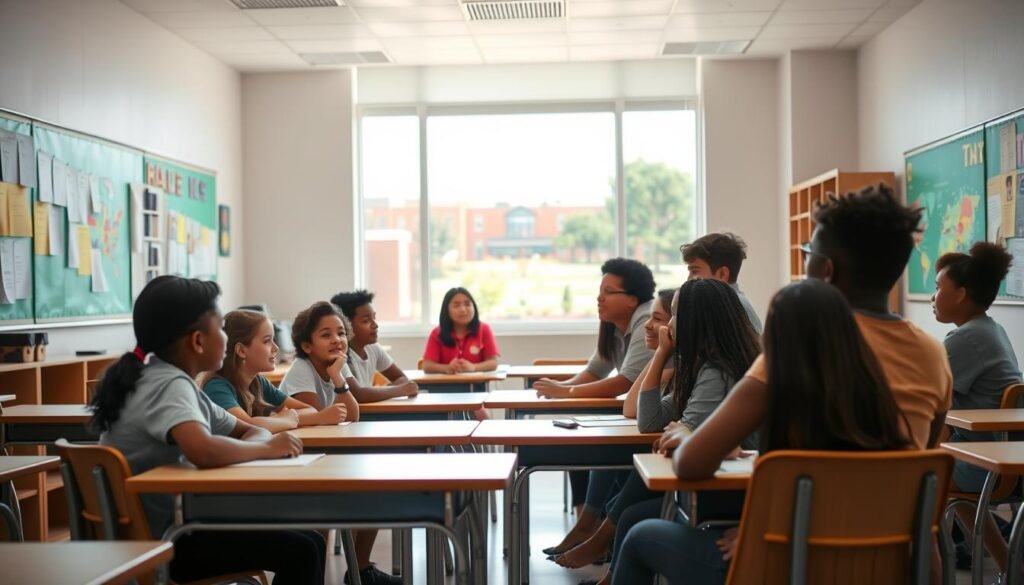
Why education is moving from uniformity to human-centered models
Old systems hoped all students would fit a certain mold. The new way changes the system to suit the student. It mixes in flexible goals, learning methods, and lets students have a say.
Inclusion in schools means planning to help all students from the beginning. This approach lessens negative feelings, improves how students join in, and shows why education together matters. It also serves a wider range of needs.
How policy and practice shaped integrated education
Integration made it easier for all students to be in regular classes. But it often stuck with one teaching style and speed for everyone. So, some students still had to figure out how to keep up.
In reality, some students were pulled out of class or got extra help. This approach might have helped but also made some feel different. These situations highlight the gap between integration and inclusion. They show why help should be built in, not just tacked on.
Why inclusion is the next step toward educational equity
Inclusive learning changes the goal to meaningful involvement for every student. It brings in support structures, teaching strategies for all, and tech aids. This lets students engage with the material and share what they know in various ways.
This focus improves learning spaces for everyone and pushes for more inclusion everywhere. It also gets kids ready for a world that values diversity. It shows how integrated learning matters but also how inclusion takes it a step further.
| Focus | Integrated Education | Inclusive Education | Primary Aim |
|---|---|---|---|
| Physical placement and access to general classrooms | Participation, belonging, and progress for every learner | ||
| System Adaptation | |||
| Student adapts to existing curriculum and pace | System adapts through flexible goals and supports | ||
| Instruction | |||
| Standard lessons with add-on accommodations | Differentiated instruction planned from the start | ||
| Support Design | |||
| Pull-outs, aides, or modified tasks as needed | Universal Design for Learning, scaffolding, and assistive tech embedded | ||
| Social Climate | |||
| Risk of labels and parallel tracks | Shared ownership, peer collaboration, and community | ||
| Equity Lens | |||
| Mixed results depending on available supports | Proactive equity through inclusive learning environments | ||
| Keywords in Practice | |||
| importance of integrated education; educational diversity | promoting inclusive education; differences between inclusive and integrated education |
What Is Inclusive Education?
Inclusive education is about bringing every student into the same community. It’s based on dignity, fairness, and growth. This approach uses strategies that expect and welcome differences among learners right from the start. It creates a system that combines flexible teaching and support tools. And it sets high goals for everyone.
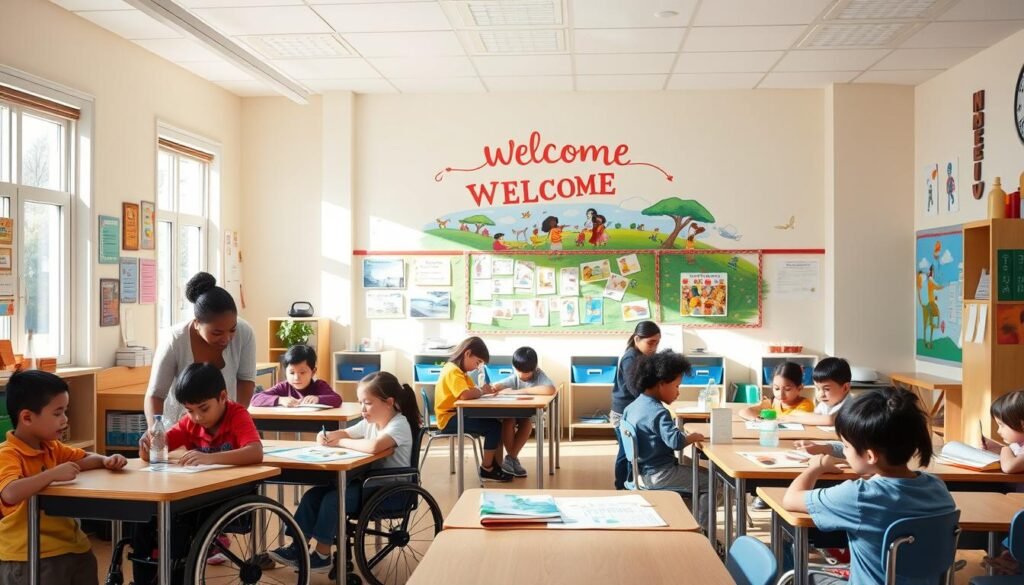
Core philosophy: systems adapt to students
The main idea is clear: systems should change, not the students. Curriculums, schedules, and routines should adjust to meet learners’ needs. Inclusion is planned from the beginning so it’s a natural part of classrooms. This way, inclusive education fits into everyday lessons and school life.
Universal Design for Learning, scaffolding, and assistive technologies
Universal Design for Learning (UDL) helps design lessons that engage everyone. It allows multiple ways to understand ideas and show what’s been learned. Scaffolding simplifies complicated tasks, gradually removing support as students improve. Assistive technologies like speech-to-text tools help everyone without making things easier. They work well with the strategies schools use to include all students.
Belonging, participation, and high expectations for all learners
Feeling like you belong is essential. Teachers make sure students work together and participate actively. They keep goals clear and ambitious. A good inclusive education means every student helps solve problems and joins discussions. This builds self-respect and respect for others.
Benefits for academic, social, and emotional growth
Flexible teaching and the right supports help students become confident and skilled. Benefits of inclusive education include being more engaged, communicating better, and working well with others. Students also learn to understand and stand up for themselves. These skills are useful for college, work, and life. Using thoughtful inclusive strategies makes this possible.
| Element | Inclusive Classroom Practices | Inclusive Education Benefits | Related Models/Strategies |
|---|---|---|---|
| Curriculum Design | UDL-aligned goals, flexible materials, multiple pathways | Improved access, clearer expectations, higher completion | Inclusive education models; UDL checkpoints |
| Instruction | Scaffolding, multimodal lessons, formative feedback | Stronger comprehension and retention | Inclusive education strategies; special education inclusion strategies |
| Assessment | Choice of outputs, rubric transparency, retake policies | Fair measurement of growth and mastery | Standards-based grading within inclusive classrooms |
| Technology | Assistive tools embedded in daily routines | Reduced barriers and greater independence | Text-to-speech, captioning, alternative access devices |
| Community | Structured peer support, cooperative learning | Enhanced empathy, collaboration, and belonging | Peer tutoring and co-teaching in inclusive classrooms |
What Is Integrated Education?
Integrated education mixes students with disabilities into regular classes while keeping things mostly the same. This approach started after years of keeping these students separate. It often uses added help instead of a complete overhaul. How well it works depends on the school’s ability to adjust and the consistency of help provided.
Integrated education models make sure everyone has the same chance to learn in the same space, at the same speed, and with identical tests. But if the support isn’t steady, students can struggle to keep up. Strong integrated education strategies are meant to bridge this gap. Yet, real success depends on what happens each day, not just good intentions.
Planning for special education integration might include hiring aides, organizing small group help, or occasional pull-outs. If teaching materials and tests don’t change too, students can end up being there but not fully included. So, carefully building an integrated curriculum and using integrated teaching methods are important to avoid this problem.
Origins in mainstreaming and access to general classrooms
Integrated education evolved from mainstreaming, bringing once-separated students into regular education. The aim was simple: ensure a seat in the class, shared schedules, and access to all school resources. This was a big step for civil rights, changing everyday school life nationwide.
However, just being there wasn’t enough for real learning. Schools tried integrated education strategies like hiring aides or offering note-taking help. These efforts made entry easier, but the overall approach didn’t change much.
Placement-focused approach with minimal system change
The focus here is on placing students in regular classes, keeping the usual curriculum. Teachers continue as always while students get some help on the side. In this model, special education integration adds to existing routines instead of changing them.
To lessen obstacles, schools may use simplified texts, scaffold tasks, or offer different ways to respond. When these supports are aligned, they work well; if not, they can leave students behind.
Parallel tracks, pull-outs, and risks of reinforcing labels
Separate services and tasks can lead to different paths in the same classroom. Students might be side by side but working on different things. This can underline differences and solidify labels over time.
Imagine a dyslexic student with standard print materials while others tackle more complex texts. Without the right formats and integrated teaching methods, this student feels left out. Effective integrated education models mix support right into daily lessons to prevent this division.
| Feature | Common Practice in Integrated Education | Intended Benefit | Potential Risk | Mitigation via Strategies |
|---|---|---|---|---|
| Placement | General classroom seat with intermittent supports | Access to peers, curriculum, and school life | Physical presence without full participation | Consistent integrated education strategies embedded in lessons |
| Instruction | Teacher-centered pacing; added aide support | Continuity of grade-level content | Over-reliance on adult help; limited independence | Coordinated integrated teaching methods to build autonomy |
| Curriculum | Adaptations applied after lessons are designed | Faster access to existing materials | Mismatched tasks and uneven challenge | Proactive integrated curriculum development with tiered options |
| Support Delivery | Pull-outs, small groups, or separate tasks | Targeted skill practice | Parallel tracks that reinforce labels | In-class scaffolds within integrated education models |
| Assessment | Standard tests with add-on accommodations | Comparability of results | Incomplete evidence of actual mastery | Multiple formats aligned to special education integration |
Inclusive vs Integrated Education
Inclusive and integrated education might seem alike, but they are different in many ways. These differences affect teaching, social interactions, and how students grow over time. Let’s explore how these approaches change the way schools operate, teach, and view students.
System vs student adaptation
In integrated education, students need to adjust to the school’s existing norms. Supports are added, but only as extras. On the other hand, inclusive education requires the school system to change. Things like schedules, tests, and classroom layouts are redesigned so everyone can access them.
This change focuses on making sure all students can participate fully, not just be present. It highlights how inclusive education benefits everyone. Still, integrated education has its advantages with strong support systems.
Curriculum flexibility and differentiated instruction
An inclusive curriculum is built to be flexible. It uses different ways to teach, ensuring lessons reach every student. Teaching is adapted for each student automatically, rather than as a special case.
Integrated models usually stick to a set plan with only a few adjustments. This might limit some students’ ability to keep up or access the materials. Inclusive classrooms, however, plan for everyone’s needs from the start. This keeps students engaged and holds them to higher standards.
Teacher roles: collaboration with special educators and therapists
Working together is key in inclusive education. Teachers plan lessons with experts like speech therapists, occupational therapists, and families. This helps everyone stay on the same page.
In integrated settings, the main teacher often leads alone, with specialists helping sometimes. But in inclusive schools, teams work together closely. They share information and adjust support so every student gets help when they need it.
Peer relationships, belonging, and classroom culture
Inclusive classrooms focus on teamwork and respecting different ways of learning. They make sure everyone feels like they belong. This doesn’t just happen; it’s something the school works to create.
In integrated classrooms, students who need extra help might be separated from others. Inclusivity means everyone works and learns together, which helps students understand and respect each other more.
Short- and long-term outcomes for all students
Inclusive education leads to better access to lessons, teamwork skills, and communication. These benefits last and grow over time.
Integrative education can offer a stable environment and clear paths for learning if it has good resources. Without strong support, however, students’ progress can be uneven. Students might not fully benefit from different ways of learning.
| Dimension | Integrated Education | Inclusive Education |
|---|---|---|
| Core Orientation | Student adapts to existing structures | System adapts to all learners |
| Participation Focus | Physical placement with limited changes | Equal participation and access by design |
| Curriculum | Standard plan with add-on supports | Inclusive curriculum with flexible goals and pathways |
| Instruction | Adjustments as needed; differentiation is occasional | Differentiated instruction and multimodal learning as the norm |
| Teaching Roles | General educator leads; specialists consult | Collaborative teaching with co-planning and co-teaching |
| Peer Culture | Risk of pull-outs reinforcing labels | Structured belonging, peer interaction, and shared inquiry |
| Near-Term Results | Access to classroom with variable support | Consistent access, targeted scaffolds, and active engagement |
| Long-Term Trajectory | Progress depends on support intensity | Broader skills in collaboration, adaptability, and civic readiness |
| Noted Advantages | Benefits of integrated education include clear routines and stability | Benefits of inclusive education include higher participation and equity |
| Representative Models | Mainstreaming with accommodations | Inclusive classroom models with universal design and co-teaching |
Curriculum and Instruction: Inclusive Curriculum vs Integrated Curriculum Design
An inclusive curriculum prepares for all students’ needs from the start. It uses Universal Design for Learning to predict language needs, access, and pace. This way, everyone can join in with pride. On the other hand, integrated curriculum design starts with one way and makes changes later. This can slow things down and create uneven chances to learn.
Schools that use inclusive education with assessment, materials, and routines let students reach the same goals in different ways. These approaches work great when there’s agreement on standards, learning methods, and feedback. This helps everyone without making students take different paths.
Designing flexible, learner-centered curricula from the start
Flexible design offers choices like different reading levels, languages, and timelines. Teachers use visuals and practice to build confidence in tough ideas. This way, the curriculum works for everyone without major changes needed later.
- Access: captioned media, alt text, tactile graphics, and clear note templates
- Engagement: project options, real-world cases from NASA to the Smithsonian, and peer feedback cycles
- Representation: multiple genres and cultural perspectives that reflect the class community
Integrated curriculum development and its limitations
Integrated curriculum development changes a plan when issues come up. Supports are added, but the main plan stays the same. Over time, this can lower challenges, split instruction, and miss opportunities for complex learning.
Unlike that, an inclusive curriculum maintains high standards through choices and clarity. It keeps goals the same while fitting methods and materials to each learner’s needs.
Assessment adaptations and multiple modalities (visual, auditory, kinesthetic)
Assessment works with teaching when students can show what they know in many ways. They might use charts, talk it out, or build a model to explain their thinking. The standards don’t change, but how students get there can.
- Visual: annotated diagrams, timelines, infographics
- Auditory: podcasts, oral defenses, read-aloud prompts
- Kinesthetic: lab investigations, design challenges, performance tasks
This approach uses inclusive education strategies and stays valid while recognizing everyone’s unique abilities.
Assistive technology woven into daily practice
Assistive technology like text-to-speech and accessible EPUBs is a normal part of the day. Students might use tools like Microsoft Immersive Reader or Google Read&Write always. This way, technology helps everyone equally and without making anyone feel different.
When technology is part of the plan, it promotes dignity and independence. It results in a system where everyone gets fair access without being separated.
| Design Focus | Inclusive Curriculum | Integrated Curriculum Design | Starting Point |
|---|---|---|---|
| Plans for variability from the outset with UDL-aligned goals | Begins with a standard plan; adjustments occur after issues arise | ||
| Access to Materials | |||
| Multiple formats provided by default (captioned, tactile, large print) | Alternate formats added case-by-case; delays are common | ||
| Instructional Modalities | |||
| Visual, auditory, and kinesthetic options embedded in every unit | Modalities added as supports rather than core design | ||
| Assessment | |||
| Common rubric with varied evidence pathways | Modified tests or pull-outs when students struggle | ||
| Assistive Technology | |||
| Integrated daily; normal tools for all learners | Used as accommodations for individual students | ||
| Equity Impact | |||
| Reduces barriers systemwide; sustains rigor | Risks parallel tracks and diluted tasks |
Inclusive Classroom Practices and Collaborative Teaching
In inclusive classrooms, diversity enriches learning. Teachers use inclusive methods to ensure all students have access, feel valued, and meet high standards. With collaborative teaching, teams unite in their goals, share insights, and make joint decisions. This approach enables every student to tackle challenging work.
Co-teaching models and interdisciplinary support teams
Co-teaching is most effective when various educators and family members plan together. Methods like team teaching, station teaching, and parallel teaching divide both content and responsibilities. This ensures all students learn together. Key to these strategies are well-defined roles, quick team meetings, and shared evaluations of student progress.
Teams with different expertise use shared planning times to set common goals, review student plans, and pick the best inclusion methods for the lesson. Stable routines, such as starting activities, feedback mechanisms, and regular checks, help maintain effective collaboration throughout the school term.
Differentiated instruction and personalized education plans
Differentiated instruction tailors learning paths to meet the same standards, offering diverse texts, various tasks, and choices in demonstrating knowledge. Personalized education plans pair supports with student strengths, like audio recordings, visual aids, or more discussion time, without compromising standards.
Teachers start with flexible learning options and then adjust them based on inclusive teaching strategies like variable grouping and technology aid. These methods ensure adjustments are related to the mainstream curriculum and that progress tracking is clear.
Promoting peer interaction and social participation
Peer mentoring, assigned group roles, and cooperative activities foster trust and collective problem-solving. Setting clear rules for participation allows all students to take part. This helps quieter individuals speak up and advanced students to guide their peers.
Class activities like group discussions, showcases, and peer evaluations give every student a chance to be heard. These setups blend special education inclusion methods with communal objectives. They ensure equal speaking opportunities and encourage everyone to support each other.
Professional development for inclusive practices in schools
Regular workshops and mentoring improve skills in adaptive teaching and fair evaluations. Activities like video analysis and joint planning sessions help teams refine their teaching methods and use of data.
Learning groups within the school analyze case studies, practice varied teaching methods, and create custom support plans. School leaders arrange team meetings and gather resources to make inclusive teaching ongoing.
| Practice | What It Looks Like in Class | Primary Benefit | Related Inclusive Strategy |
|---|---|---|---|
| Team Teaching | Two teachers deliver the same lesson, alternating modeling and checks for understanding | Real-time support without pull-outs | Inclusive education strategies with shared instruction |
| Station Teaching | Small groups rotate through content, practice, and feedback stations | Targeted feedback and active time on task | Special education inclusion strategies within general education |
| Flexible Grouping | Students regroup by skill, interest, or choice for short cycles | Increases access to just-right challenges | Inclusive practices in schools using data-informed groups |
| UDL Options | Multiple ways to engage, represent, and express learning | Reduces barriers before they appear | Inclusive classroom practices aligned to UDL |
| Personalized Plans | Strength-based goals, clear accommodations, and shared progress checks | Maintains rigor while tailoring supports | Personalized education integrated with curriculum |
Benefits and Challenges: Inclusive Education vs Integrated Education Programs
Schools compare inclusive education with integrated education to decide on policies and practices. Both methods aim to improve access. They differ in designs and supports. To make a fair comparison, we look at the challenges of inclusive education and focus on outcomes measuring learning and the school environment.
Benefits of inclusive education for all students
Inclusive education boosts academics, social skills, and emotional growth. It uses flexible teaching, Universal Design for Learning, and assistive tools. This helps more students reach their grade-level objectives. Classes focused on teamwork enhance empathy, communication, and teamwork, valuable for college and the workplace.
This approach also makes differences normal. Students get better at understanding others and solving conflicts. These benefits grow as students form wider peer groups and maintain high expectations for all.
Benefits of integrated education when supports are robust
Integrated education shines with strong targeted support and teamwork. Co-planning, quick feedback, and defined roles ensure students quickly engage with core content. With consistent support, some students advance well and feel they belong.
The success of this model depends on consistent support. Inconsistent support might limit access or reinforce stereotypes. In contrast, consistent teams help maintain progress.
Challenges of inclusive education and how to address them
Inclusive education faces challenges like ongoing staff development, time for team planning, and updating curriculums and tests. Without these, schools may only achieve shallow changes. Problems often involve too much reliance on pulling students out of class or limited remediation.
To combat these issues, schools can plan using UDL principles, form interdisciplinary teams, use assistive technology, and encourage a culture of belonging. Leadership can promote teamwork and ensure plans are followed. This helps align classroom practices with the school’s goals.
Measuring outcomes: academic performance and empathy
Effective measurement looks at more than just student placement. It considers academic improvement across groups, participation in essential classes, and peer relationship quality. Schools should also monitor empathy and social-emotional growth to understand the community and school spirit.
By looking at a range of data, schools can see the impact of inclusive and integrated education over time. With solid evidence, teams can improve their programs and address challenges promptly.
| Focus Area | Inclusive Education: Core Benefits | Integrated Education: When Supports Are Robust | Key Challenges | Measuring Outcomes |
|---|---|---|---|---|
| Access to Curriculum | Flexible pathways, multiple modalities, assistive tech embedded | Targeted accommodations enable entry to grade-level tasks | Time for co-design of lessons and assessments | Enrollment in core courses, assignment completion rates |
| Academic Growth | Differentiation raises mastery for diverse learners | Consistent collaboration sustains progress | Maintaining fidelity amid staff turnover | Benchmark gains, progress-monitoring trends |
| Social-Emotional | Empathy, belonging, and peer support increase | Confidence rises with reliable supports | Aligning behavior supports with instruction | Peer relationship quality, climate surveys |
| Team Systems | Shared ownership and co-teaching norms | Clear roles between general and special educators | Protected planning time and coaching | Collaboration frequency, implementation checks |
| Sustainability | Schoolwide routines reduce fragmentation | Stable protocols guard against uneven service | Scaling practices without dilution | Longitudinal data on retention and growth |
Strategies and Models: Inclusive Education Strategies and Integrated Education Approaches
Schools need plans that make learning open for everyone. The goal is clear: create lessons so all students can join, improve, and feel included. This needs teamwork in planning, providing help when needed, and using data to guide teaching.
Inclusive education models that foster equitable participation
The foundation of inclusive education is Universal Design for Learning. It uses flexible goals, a range of materials, and various ways to demonstrate knowledge. Teachers use different kinds of content, check on students’ learning, and include technology for help.
Co-teaching brings together general and special educators to plan for all learners. They use short lessons and a variety of activities. This lets every student learn the same advanced topics without making it easier.
Integrated education strategies for structure and access
Integrated education makes classrooms more structured to overcome obstacles. It includes planned supports and easy-to-use formats. This ensures all students truly can participate in class, not just in theory.
Efficient scheduling keeps the main teaching time protected. Learning materials are available in different formats, such as print and video. This helps students stay on track with their classmates.
Special education inclusion strategies and collaboration
Special education strategies focus on high standards and removing barriers. Teams work with families and specialists to set goals and monitor progress. They use data to make changes, ensuring supports are a normal part of class.
Integrated teaching methods and transition supports
Teaching methods might include short breaks for specific skills before returning to group tasks. Support in class and from classmates keeps learning going. Transition help ensures students can keep up, with resources that fit the lesson.
Supports like guided notes and readings at different levels help students return smoothly. Everyone strives for the same goals, using tools that aid their learning for the day.
- Plan universally: build inclusive education strategies and inclusive education models into every unit map.
- Align access: use integrated education approaches and integration strategies that mirror class goals and pacing.
- Teach responsively: blend special education inclusion strategies with integrated teaching methods for timely, low-stigma support.
Building Inclusive Learning Environments and Resources
Schools do best when they make everyone feel they belong. In inclusive settings, every student is recognized, listened to, and given challenges. These environments are made with care so all can access and feel respected from the start.
Design choices matter: A welcoming curriculum, many ways to learn, and clear rules show what is expected. Classrooms that include everyone use teamwork between teachers, designs that work for all, and technology that helps, so no one feels left out.
Creating welcoming, diverse learning and tailored learning environments
Good environments start with the right words, layout, and speed. Easy-to-understand signs, places for quiet, and different seating options help everyone concentrate and feel less stressed.
- Let students choose how to learn and show what they know.
- Stick to routines but allow everyone their own time.
- Encourage everyone with feedback that focuses on their strengths.
These actions create places where everyone’s background and abilities are respected, and learning is still challenging.
Inclusive curriculum, classroom models, and accessibility guidelines
A curriculum that includes everyone plans lessons, materials, and tests together. It moves away from the same material for everyone to many ways and times for learning.
- Classrooms for everyone mix different types of teaching through team planning and flexible groups.
- Rules for making things easy to use call for printed, audio, captioned videos, and formats for screen readers.
- Tools like speech-to-text and special graphics help students learn in the classroom, not somewhere else.
Inclusive education resources for teachers and parents
Great resources help school teams put good ideas into action. Training on universal design, adding extra help, and making content everyone can access increases everyone’s skills.
- Courses like The Accessibility Imperative teach how to make lessons accessible from the start.
- Groups like Bridgeway Education help with changing to materials everyone can use and give advice on how to do it.
- Plans that use technology, shown by 21K School, demonstrate how personalized learning can grow properly.
Promoting inclusive education through collaboration and community
Working together speeds up progress. By collaborating, schools and families create plans. Everyone—teachers, specialists, and students—gets involved in planning and reviewing regularly.
- Make shared goals, exchange information, and tweak support often.
- Welcome family input on strengths, background, and how to communicate.
- Start student-led groups that help everyone feel they belong and support learning.
| Focus Area | What It Looks Like | Primary Benefit | Key Resources |
|---|---|---|---|
| Environment | Flexible seating, quiet zones, visual schedules | Reduced anxiety and improved engagement | Room design guides; sensory toolkits |
| Instruction | Inclusive curriculum with multimodal options | Access without lowering rigor | UDL training; curated multimodal libraries |
| Models | Inclusive classroom models with co-teaching | In-class support and fewer pull-outs | Co-planning protocols; role clarification tools |
| Accessibility | Captioning, alt text, screen-reader-ready files | Immediate participation for all learners | Accessibility checklists; assistive tech guides |
| Family–School | Regular, strengths-based communication | Aligned strategies at home and school | Bilingual templates; coaching sessions |
| Professional Growth | Job-embedded PD and peer observation | Consistent practice across classrooms | Inclusive education resources and coaching |
Conclusion
Looking at inclusive vs integrated education shows a big change. It’s moved from just being there to really belonging and system changes. Integration started the journey but didn’t change much. Students had to fit into the existing system. Inclusion is different. It changes the system for the students. It uses Universal Design for Learning and tools like scaffolding and assistive technologies. Teaching teams work together to make this happen.
Inclusive education benefits everyone. Students get more engaged and achieve more. They make better friends and become more empathetic. When schools blend general and special education, they go beyond just fair education. They start thinking about educational design. If support in integrated settings isn’t systemic, it doesn’t work well. But if inclusion is done on purpose and throughout the school, it improves learning, social, and emotional health for everyone.
Moving forward means pushing for inclusive education with team teaching and learning together. Schools need to adjust what they teach and how they test. Classrooms should welcome everyone. This tackles issues like time, training, and consistency. It creates a school where everyone contributes. Putting money into team teaching, clear rules for accessing learning, and looking at data makes inclusion normal.
Inclusion vs integration isn’t an either/or question. It’s about growing. Integration got many students into general classrooms. Inclusion helps them succeed once they’re there. We’re heading towards education systems built for everyone from the start. Sharing knowledge, teaching that meets students’ needs, and creating a sense of belonging makes learning deep, relevant, and fair for all.