


How did a precise scientific term become so common in our talk? The answer shows something important about our collective need to identify harm.
In 2018, Oxford Dictionary named “toxic” its word of the year. This showed us that the term had moved from labs to our daily talk. Yet this widespread use created a problem. When we call everything from bad meetings to chemical spills “toxic,” we lose the ability to see real danger.
To understand toxicity, we must see cumulative harm through repeated exposure. Whether it’s chemicals or human behavior, true toxicity causes lasting damage, not just one-time problems.
This look into “toxic” sees it as a spectrum, not just a label. True toxicity in substances or relationships means real harm to health, freedom, and happiness. The difference is key because it helps us know how to react.
Key Takeaways
- The term “toxic” evolved from precise scientific usage to become Oxford Dictionary’s 2018 word of the year, reflecting its cultural prominence
- Genuine toxicity involves progressive harm through repeated exposure, not just one-time issues
- Understanding harmful patterns requires distinguishing between temporary troubles and lasting damage
- Toxicity exists on a spectrum and demands contextual assessment, not just yes or no answers
- Both chemical substances and human relationships can show measurable harm to well-being over time
- Accurate pattern recognition helps us respond properly to truly harmful situations
Understanding Why “Toxic” Has Lost Its Meaning
In recent years, “toxic” has changed from a scientific term to a catch-all for any uncomfortable situation. This change shows more than just language evolving. It shows how society now views challenges, environmental hazards, and psychological harm differently.
This shift affects more than just words. When we can’t tell real harm from normal friction, we can’t protect ourselves well. Knowing what “toxic” really means is key to staying safe and healthy in relationships.
This change didn’t happen alone. It came with cultural shifts, social media, and the popular use of psychological terms without deep understanding.
The Overuse of “Toxic” in Modern Language
The use of “toxic” grew fast with social media. What started in chemistry and toxicology spread to psychology and then popular culture. Now, it’s used in many areas, like toxic positivity and toxic masculinity.
Our brains like to categorize things as “good” or “bad.” “Toxic” seems to explain complex situations with one word. This makes it easy to label things without really understanding them.
Online, posts that use “toxic” get more attention. This makes dramatic labeling seem normal and expected.

Psychologists worry about this trend. Using clinical terms too loosely can confuse and trivialize real harm.
- Diagnostic confusion: People start diagnosing themselves or others without proper tools
- Trivializing genuine harm: Minor issues get the same label as serious abuse
- Avoiding accountability: The “toxic” label can be used to ignore feedback or boundaries
- Preventing growth: Normal conflicts that could help us grow are seen as something to avoid
In science, “toxic” means specific harm that can be measured. But in everyday talk, just one uncomfortable moment can be called “toxic” without looking at patterns or long-term effects.
When Everything Becomes Toxic, Nothing Is
Using “toxic” too much makes it lose its warning power. This is like alarm fatigue in hospitals, where too many false alarms make real warnings ignored.
When we call every tough situation “toxic,” we can’t spot real dangers. The term loses its power to warn us of harm.
Today, people use “toxic” too much. A single tough moment or disagreement doesn’t mean someone is toxic. Even if they seem aggressive or tough.
This shows the difference between difficult and toxic. Difficult situations challenge us but don’t harm us deeply. Toxic situations harm us over time through repeated, predictable actions.
“Toxic” is just one term that has lost its meaning. Terms like “trauma,” “gaslighting,” “narcissist,” and “triggered” have also changed. Losing the precise meaning of these terms makes it harder to understand psychological harm.
To move forward, we need to use terms carefully based on evidence. The table below shows important differences:
| Appropriate “Toxic” Label | Inappropriate “Toxic” Label | Key Distinguishing Factor |
|---|---|---|
| Systematic pattern of undermining self-worth over months | Single instance of harsh criticism | Pattern consistency and duration |
| Repeated exposure to chemicals causing measurable health decline | Dislike of a particular food’s taste | Objective, measurable harm |
| Relationship cycle of idealization, devaluation, and discard repeating multiple times | Normal disagreement about household responsibilities | Cyclical pattern with predictable phases |
| Workplace environment where multiple employees develop stress-related illness | Having a demanding but fair supervisor | Collective impact and health consequences |
To understand “toxic” again, we must remember it means harm that builds up over time. Whether it’s chemicals or behavior, real toxicity causes lasting damage.
This understanding helps us spot true dangers, both chemical and relational. By being precise with our language, we can better protect ourselves and others.
Toxicity Defined: The Core Concept
The idea of toxicity has roots in science, dating back centuries. Toxicity defined a specific scientific phenomenon with measurable parameters and predictable outcomes. This understanding helps us know when the term is used correctly and when it’s not.
Toxic classification is based on scientific precision. It helps us understand harm in different ways. This framework shows the difference between real damage and just feeling uncomfortable or challenged.
The Original Definition of Toxic Substances
Toxicology became a science when scientists found that some substances harm living things. A toxic substance harms through chemical reactions at the cellular or systemic level. This definition focuses on cause and effect, needing clear biological mechanisms.
The saying “the dose makes the poison” is key in toxicology. It means any substance can be toxic at high enough doses. Water can be deadly in huge amounts, while some poisons are safe in tiny amounts.
Scientists study how much of a substance causes harm. They use experiments to find out how much is safe and how much is dangerous. The LD50 is a measure of how much of a substance kills 50% of test subjects.
Substances are classified based on how they harm. Acute toxicity is harm from a single dose, like cyanide poisoning. Chronic toxicity is harm from repeated low doses, like lead poisoning.
| Classification Type | Exposure Pattern | Harm Timeline | Example Substances |
|---|---|---|---|
| Acute Toxicity | Single high dose | Immediate to hours | Cyanide, carbon monoxide, concentrated acids |
| Chronic Toxicity | Repeated low doses | Months to years | Lead, mercury, asbestos, certain pesticides |
| Systemic Toxicity | Variable exposure | Affects entire organism | Heavy metals, certain solvents, alcohol |
| Organ-Specific Toxicity | Variable exposure | Targets specific organs | Acetaminophen (liver), gentamicin (kidneys) |
Today, toxicology also looks at substances that cause cancer, birth defects, and hormonal problems. Each type needs its own way of being studied and presents unique challenges.
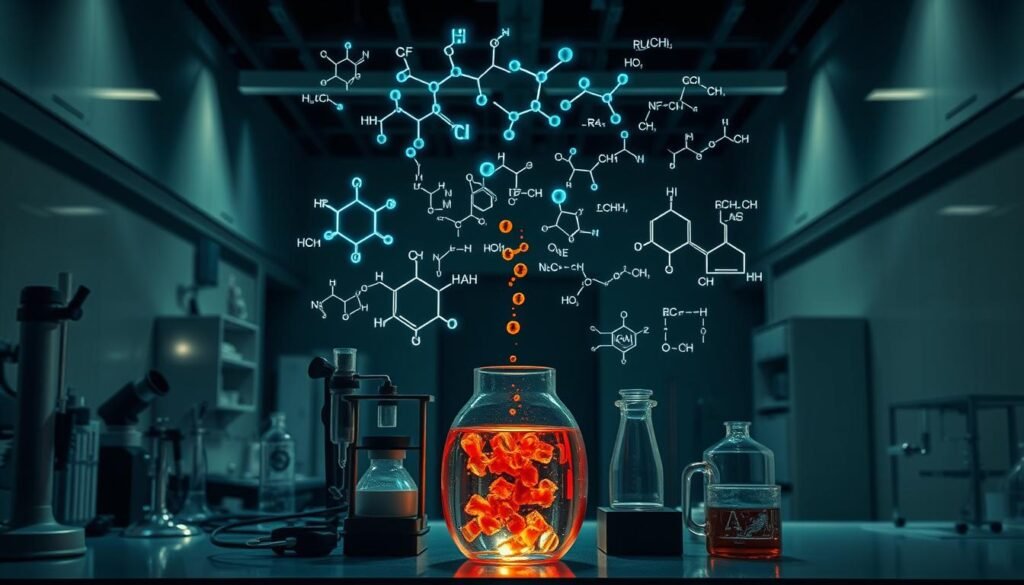
How the Term Expanded to Human Behavior
Psychologists and organizational theorists saw similarities between chemical toxins and certain behaviors. They noticed that some behaviors and environments harm people in ways similar to chemical exposure.
Dr. Lillian Glass introduced the idea of “toxic people” in her 1995 book. She applied the principles of toxicity to human interactions. Her work identified people whose behavior causes harm to those around them, much like chemical toxins.
The idea that some people are like toxins is based on real similarities. Just as toxins can overwhelm our defenses, some behaviors can exhaust our mental strength. Both can cause harm that grows with time.
But using the term “toxic” for people has its limits. Human behavior is complex and depends on many factors, unlike chemical reactions. Using the term for people can oversimplify things and ignore important details.
Sociologists have found that some workplaces are toxic. They focus on the system, not just individual people. This approach shows how harm can come from policies and culture, not just one person.
The idea of toxicity in people is useful when it sticks to its core principles. It loses value when it’s used too loosely for anything unpleasant.
The Common Thread: Harm Through Accumulation
The key similarity between chemical and relational toxicity is harm that builds up over time. This is different from sudden, severe harm. It’s why toxic effects can be hard to see until a lot of damage has happened.
A little bit of a toxic substance or a single negative interaction might not seem harmful. Our bodies can handle small amounts of many toxins. Our minds can also handle a few negative experiences without lasting damage. But repeated exposure can overwhelm us.
Biological toxicity shows how substances build up in our bodies. Mercury, lead, and microplastics can all accumulate. Each exposure adds to the total burden until it becomes dangerous.
Research on toxic relationships shows similar patterns. People in bad relationships face health risks. The harm from constant stress can affect our health in many ways.
It’s hard to spot toxic relationships early because the damage builds up slowly. By the time we notice, a lot of harm may have already been done. Early signs are often vague and can be mistaken for other things.
Understanding that toxicity is about accumulation helps us see the danger sooner. It explains why victims often struggle to recognize their situations. Each incident might seem minor, but the total effect can be overwhelming.
Preventing and stopping toxicity requires understanding accumulation. Just as avoiding toxins helps our bodies, stepping away from toxic situations helps our minds. But both take time, and severe harm can last even after we’re away from it.
The Science Behind Chemical Toxicity
Toxicology is a science that studies how chemicals harm living things. It has evolved from observing how substances affect health. Today, it helps predict risks in different situations.
Chemical toxicity happens when substances disrupt normal cell functions. Scientists understand these interactions well. This knowledge helps us make safer choices in our daily lives.
Toxicology Principles and Poison Classifications
Paracelsus said, “All things are poison, and nothing is without poison; the dosage alone makes it so a thing is not a poison.” This idea shows that toxicity is a matter of dose, not just the substance itself.
The dose makes the poison.
The dose-response relationship is key in toxicology. It shows how more exposure leads to more harm. Scientists test this by finding the dose that kills 50 percent of a test group, known as LD50 values.
These tests help find safe exposure levels. Knowing these levels helps set safety standards for many areas.
Poison classifications group substances by risk. They show how substances harm us:
- Neurotoxins: Damage the nervous system, like pesticides and mercury
- Hepatotoxins: Harm the liver, such as acetaminophen or alcohol
- Nephrotoxins: Affect the kidneys, including some antibiotics and solvents
- Cytotoxins: Damage cells in many tissues
Chemical structure is another way to classify poisons. It groups substances by their molecular makeup. This helps understand the risks they pose.
How a substance enters the body also matters. Inhalation, ingestion, and skin absorption each have unique risks. This means we need different safety measures for each.
Hazardous Compounds and Toxic Classification
Many harmful substances are found in our environment. Volatile organic compounds are one group. They include formaldehyde, benzene, and toluene, found in various products.
Persistent organic pollutants are another concern. These substances last a long time and build up in the food chain. Examples include DDT, PCBs, and dioxins.
| Compound Category | Common Examples | Primary Exposure Sources | Target Organ Systems |
|---|---|---|---|
| Volatile Organic Compounds | Formaldehyde, benzene, toluene | Building materials, paint, gasoline | Respiratory, neurological |
| Heavy Metals | Lead, mercury, cadmium, arsenic | Industrial emissions, contaminated water | Neurological, renal, developmental |
| Endocrine Disruptors | BPA, phthalates, pesticides | Plastics, personal care products | Reproductive, metabolic, immune |
| Carcinogenic Substances | Asbestos, radon, tobacco smoke | Building materials, soil, combustion | Multiple organ systems |
Heavy metals are very dangerous because they stay in our bodies for a long time. Lead harms children’s brains and adults’ hearts. Mercury builds up in fish and harms the brain.
Endocrine-disrupting chemicals mess with hormones. They can cause reproductive problems, metabolic issues, and developmental issues. When we mix different exposures, the harm can add up.
Carcinogens are substances that can cause cancer. They can damage DNA or weaken the immune system. Toxicology helps us understand how these substances work.
Health Impacts of Toxic Exposure
Toxic exposure can harm many parts of our body. The harm depends on how long we’re exposed, how much, and our individual health. Age, genetics, and health conditions all play a role.
Neurological damage is a big risk from toxic exposure. Heavy metals, pesticides, and solvents can harm our brains and nerves. Children are more vulnerable because their brains are not fully developed.
Exposure to endocrine-disrupting substances can harm our reproductive systems. This can lead to fertility issues, pregnancy problems, and developmental issues in children. Both men and women can be affected at low exposure levels.
Immune system suppression is another risk. It makes us more likely to get sick and less responsive to vaccines. It can also lead to autoimmune diseases. Our lungs can also be damaged by inhaling toxins.
- Acute poisoning events: Sudden, high-level exposures producing immediate symptoms requiring emergency medical intervention
- Chronic low-level exposure: Repeated contact with toxins below acute thresholds that gradually accumulate biological damage
- Latent effects: Health consequences that manifest years or decades after initial exposure, with carcinogenic substances
Cancer is a major concern from toxic exposure. Many chemicals can cause cancer in different ways. Some damage DNA, while others weaken the immune system or promote inflammation.
Understanding the difference between acute and chronic exposure is key. A single high dose can be deadly. But repeated low doses can cause slow damage over time.
This understanding helps us see how toxicity works beyond just chemistry. It shows how repeated exposure can harm us, just like repeated negative interactions can harm our mental health. This idea is explored further in the next sections.
Recognizing Toxic Substances in Your Environment
Spotting toxic substances in your area starts with knowing common hazards. Our homes, workplaces, and leisure spots are filled with harmful chemicals. Most people don’t realize how many dangerous substances are around them.
This process goes beyond just knowing about dangers. We learn how to find, check, and measure toxic stuff in our surroundings. This helps us make smart choices to protect our health.
Step 1: Identify Common Chemical Hazards at Home
Most homes have 60 to 80 products that are poisonous. These items are found in specific places based on their use. Checking each room helps us see where dangers are most likely.
Kitchens are often the most dangerous places in the house. Cleaning products can irritate your lungs and skin. Oven cleaners are among the most harmful products sold for home use.
Dishwasher detergents and drain cleaners also pose risks. They contain strong chemicals that can burn your skin.
Bathrooms also have their own set of dangers. Personal care items can harm your health. Aerosol products release harmful gases that stay in the air for hours.
Bathroom cleaners mix different toxic ingredients. This makes them even more dangerous. These mixtures can cause serious health problems.
Living rooms and bedrooms also have hidden dangers. Furniture and carpets can release harmful chemicals. These chemicals can make you sick.
Flame retardants in furniture and electronics can also be harmful. Kids are at higher risk because they touch their faces a lot.
Knowing how to read product labels is important. Safety Data Sheets give detailed info about chemicals. You can ask for these sheets from manufacturers.
Hazard symbols on products are easy to understand. They warn of different dangers:
- Skull and crossbones: Shows chemicals that are very toxic
- Corrosion symbol: Warns of substances that can damage skin and eyes
- Flame symbol: Means the product can catch fire
- Exclamation mark: Signals products that can irritate or cause minor harm
- Health hazard symbol: Marks products that can cause serious health problems
Marketing claims can be misleading. Products labeled as “natural” or “eco-friendly” may not be safe. Companies use these terms to hide the truth about their products.
Safe products have third-party certifications. Look for EPA’s Safer Choice or Green Seal. These labels mean the product has been tested and is safer.
Step 2: Assess Environmental Pollution Around You
Toxic substances are everywhere, not just in our homes. Air pollution is a big concern. It comes from cars, factories, and natural events like wildfires.
The Air Quality Index shows how clean or dirty the air is. Numbers above 100 are bad for some people. Numbers above 150 are bad for everyone.
Indoor air can be worse than outdoor air. Buildings, appliances, and poor ventilation all contribute to pollution. Radon gas in buildings can cause lung cancer.
Water pollution affects many people. It comes from farms, factories, and old pipes. Public and private wells can be contaminated.
Water quality reports tell us about pollutants in our water. But they only test for certain chemicals. Many chemicals are not checked.
Soil can also be toxic. It can harm us through direct contact or by getting into our food. Industrial sites and old buildings can pollute the soil.
Living near busy roads is also risky. Studies show it can cause health problems like asthma and heart disease.
Some groups face more pollution than others. Low-income and minority communities are often closer to pollution sources. This leads to health problems.
Step 3: Understand Toxicity Assessment Methods
Experts use special methods to measure toxins. Biomonitoring checks for toxins in our bodies. Blood tests find heavy metals and other pollutants.
Urine tests track chemicals in our bodies. Hair and nail samples show long-term exposure. These tests help us understand how much we are really exposed to.
The National Health and Nutrition Examination Survey tests people for toxins. It shows that almost everyone has chemicals in their bodies. This shows how widespread chemical exposure is.
Environmental sampling checks air, water, soil, and dust for toxins. Air tests use special devices to collect pollutants. Water tests need careful collection and quick analysis to be accurate.
Soil tests use a grid pattern to find pollution. Surface samples show recent pollution, while deeper samples reveal older contamination. Dust tests find indoor pollution.
Risk assessments combine exposure data with toxicology to predict health risks. This process helps make decisions about safety.
| Assessment Method | What It Measures | Primary Applications | Limitations |
|---|---|---|---|
| Biomonitoring | Chemical levels in blood, urine, or tissue | Individual exposure verification, population surveillance | Expensive, requires medical procedures, snapshot in time |
| Environmental Sampling | Contamination in air, water, soil, dust | Source identification, compliance monitoring | Doesn’t confirm human absorption, spatial variability |
| Risk Assessment | Probability and severity of health outcomes | Regulatory decisions, cleanup priorities | Model uncertainties, individual variation |
| Epidemiological Studies | Disease patterns in exposed populations | Establishing causation, policy development | Confounding factors, long latency periods |
Epidemiology looks at disease patterns in groups. It helps find out if certain exposures cause health problems. This helps make laws and recommendations for public health.
Learning about these methods helps us understand environmental health better. It teaches us how to spot dangers and make smart choices. This thinking helps us see dangers in our surroundings and in our relationships.
What Makes Relationships and Behaviors Truly Toxic
Not every tough relationship is toxic. To tell the difference, we need to look closely. Just like how scientists study toxins, we can study relationships to see if they are toxic.
Looking at relationships is like looking at environmental hazards. Both involve harmful agents and damage over time. We need clear criteria to know if a situation is dangerous or just uncomfortable.
Knowing the difference helps us avoid false alarms and dangerous situations. If we call every disagreement toxic, the term loses its meaning. On the other hand, ignoring real harm can hurt us deeply, just like toxins.
The Pattern Recognition Framework
To spot toxic relationships, we need to look for patterns, not just feelings. Single incidents are not enough to call something toxic. But if behaviors keep happening in the same way, that’s a problem.
The first sign is when someone keeps causing harm and ignores feedback. If they keep doing the same hurtful things and don’t change, it’s toxic. This shows a pattern that’s not just a one-time mistake.
The second sign is when someone won’t change, even when asked. Healthy relationships can adapt when problems arise. But toxic ones resist change and don’t listen to feedback.
The third sign is when things get worse over time. Toxic behaviors get stronger, causing more harm each time. What starts as small criticism can turn into constant control and disrespect.
To track these patterns, we need solid methods. Keeping a journal helps us see trends that aren’t obvious at first. Creating a timeline shows us when and how often these patterns happen. And mapping these patterns helps us see what triggers them and how they affect us.
This way of looking at relationships helps us see through lies and manipulation. When someone tries to make you doubt your feelings, patterns can prove them wrong. This method helps us see the truth, even when it’s hard to feel.
Distinguishing Between Conflict and Toxicity
Not all disagreements are toxic. It’s important to know the difference. This helps us decide if a relationship needs fixing or if we need to protect ourselves.
Healthy conflicts respect both sides. People listen and try to find solutions together. After a fight, they can reconnect and trust each other again.
Toxic interactions, on the other hand, are about control. One person tries to dominate the other through threats or guilt. They don’t listen and don’t care about the other person’s feelings.
Imagine telling a trusted friend about emotional abuse. But they say things like, ‘At least they’re not cheating’ or ‘They’re not physically hurting you.’ These responses show how we often accept harmful behavior.
Healthy conflicts make both sides feel heard and valued. They leave people feeling stronger and more connected. Toxic interactions leave one person feeling hurt and unsure of themselves.
| Aspect | Healthy Conflict | Toxic Interaction |
|---|---|---|
| Communication Style | Direct, honest expression of feelings and needs with active listening | Indirect attacks, dismissal of concerns, refusal to acknowledge impact |
| Problem Resolution | Collaborative search for mutually acceptable solutions | Domination attempts, ultimatums, or stonewalling that prevents resolution |
| Emotional Impact | Temporary discomfort leading to understanding and growth | Progressive erosion of self-confidence and emotional stability |
| Behavior Patterns | Variable responses adapting to specific situations | Repetitive cycles that resist feedback and intensify over time |
This framework helps us decide if a relationship is toxic. If it shows signs of toxicity, we need to protect ourselves, no matter how hard it is.
The Accumulation Effect in Human Interactions
Just like toxins, repeated harm from relationships can damage us deeply. This damage adds up over time, making it harder to leave the relationship. Each hurtful interaction makes us more vulnerable to further harm.
Our brains change because of this harm. The parts that handle fear and emotions get too active. The parts that help us make decisions get weaker. This makes it hard to think clearly and protect ourselves.
Over time, we start to doubt ourselves more. Each time someone dismisses our feelings, it chips away at our confidence. This makes us question our own judgment. It’s like our brain is slowly losing trust in itself.
Seeing relationships as a build-up of harm helps us understand why one bad incident isn’t enough to call something toxic. But a pattern of harm is a different story. It’s like the dose makes the poison in chemistry, but in relationships, it’s the pattern that matters.
This idea also explains why others might not see the harm we do. They might see isolated incidents but not the overall damage. Our symptoms reflect the total harm we’ve experienced, not just one incident.
Recognizing this build-up of harm makes us understand why toxic relationships get harder to leave. What starts as a small problem can become overwhelming. Just like in environmental science, we need to consider both the intensity and duration of harm to understand its impact.
Identifying Control and Manipulation Patterns
Toxic control shows up when someone tries to control all the decisions and limits freedom. It affects many areas of life, making it hard to be independent. Spotting these patterns means looking at the tactics used and how they add up over time.
It’s important to watch for patterns, not just single events. While one event might seem okay, patterns of control and manipulation are clear. They show up in many situations and relationships.
Recognize Attempts to Control Your Decisions
Control affects four main areas of life: work, education, social life, and daily activities. Decision-making control means not being able to choose what to do. It starts with helpful suggestions but soon turns into demands.
In relationships, control means one person decides everything. They might not let the other choose friends or plan activities. They might even control where you go and what you do.
Financial control is very powerful. It means not having access to money or making choices about work. The controller might manage all the money or make it hard to get a job.
Physical control limits where you can go and who you can see. It includes things like not letting you drive or move around freely. It’s like being trapped in a small space.
Emotional control tells you how to feel and what to say. The controller might make you feel bad for certain emotions. They want you to feel and act in ways that please them.
Spot Manipulative Communication Tactics
Manipulation uses special ways of talking to change how you see things. Gaslighting makes you doubt your own memories. The manipulator might deny things happened or say you’re too sensitive.
Guilt-tripping uses your feelings to get what they want. They make you feel guilty for not doing what they want. It’s like they’re saying you’re not good enough if you don’t do what they say.
Love-bombing followed by withdrawal makes you feel like you need them. They give you lots of attention and then suddenly stop. This makes you feel anxious and try to get their attention back.
Triangulation brings in other people to make you doubt yourself. They might talk about what others think to make you feel bad. It’s like they’re saying everyone agrees with them, not you.
Projection blames you for their own bad actions. They might say you’re lying when they’re the one being dishonest. It’s a way to avoid taking responsibility for their actions.
DARVO—Deny, Attack, Reverse Victim and Offender makes them seem like the victim. When you point out their bad behavior, they deny it and say you’re the one who’s wrong. It’s hard to stand up for yourself when they do this.
| Manipulation Tactic | Primary Mechanism | Intended Effect | Recognition Signal |
|---|---|---|---|
| Gaslighting | Reality distortion through consistent denial | Erode trust in own perceptions | Frequent self-doubt about clear memories |
| Guilt-Tripping | Weaponizing empathy and obligation | Override personal boundaries | Feeling responsible for others’ emotions |
| Love-Bombing/Withdrawal | Intermittent reinforcement cycles | Create addictive attachment | Anxiety during attention withdrawal |
| Triangulation | Third-party validation and competition | Destabilize confidence and isolate | Constant references to others’ opinions |
| DARVO | Reversal of victim and offender roles | Prevent accountability | You apologize when raising concerns |
Document Patterns Over Time
Keeping a journal is key to spotting patterns and staying grounded in reality. Maintaining a dated journal of important interactions helps keep track of what’s happening. Include quotes, descriptions of behaviors, and how you felt.
Don’t worry about making your journal fancy. Just write down the basics: date, time, what happened, and how you felt. Focus on what you can see and hear, not what you think.
Saving text messages and emails is also important. Keep records of messages that show bad behavior. This can be proof when the manipulator denies saying or doing something.
Noting physical and emotional symptoms that happen after certain interactions is helpful. Track headaches, stomach problems, or feelings of anxiety. This shows how toxic behavior affects your health over time.
Identifying trusted observers who can confirm what you’ve seen is also important. Share your experiences with people who know both sides. Their feedback can help you see things more clearly.
Keeping records helps in many ways. It shows patterns that might not be clear at first. It also helps you make decisions about setting boundaries or ending relationships. And it helps you understand what’s happening in a way that feels confusing at the time.
Writing things down can also help you see things more clearly. It forces you to be specific about what you’ve seen and felt. Looking back at your journal can help you see how things have escalated and how often it happens.
Understanding the Toxic Relationship Cycle
Research shows a common pattern in toxic relationships. This pattern is seen in many areas, like romantic relationships and family dynamics. It involves three main phases that aim to control and erode the target’s freedom.
Knowing these phases helps spot harmful patterns. The first phase, love bombing, creates strong bonds. The second phase, devaluation, lowers self-worth. The third phase, discard, makes the target fear being abandoned.
Toxic cycles differ from healthy ones. They are based on manipulation, not real emotions. Understanding this helps see if a relationship is toxic or just facing normal ups and downs.
Phase One: Love Bombing and Idealization
The first phase is love bombing. It’s when someone shows too much attention too soon. This is different from real interest, which grows slowly and respects boundaries.
Love bombing is marked by constant messages and grand gestures. The person being loved is seen as perfect and unique. This phase is strategic, aiming to create a strong bond.
This phase has several goals:
- Accelerated bonding: Creates a strong emotional tie early on
- Expectation establishment: Sets a high standard for how they should be treated
- Cognitive dissonance foundation: Makes later mistreatment seem like an exception
- Boundary overwhelm: Overwhelms natural defenses with positive attention
- Dependency creation: Makes the person feel they need the other for happiness
This phase lasts until the target has invested a lot. This could be emotional, financial, or physical. Once they’re invested, the cycle moves to the next phase.
Love bombing is not love. It’s a way to make someone dependent by showering them with attention, then taking it away.
Toxic families often pass this pattern down through generations. Children may not see love bombing as manipulation. They might think the intense attention means they’re truly loved.
Phase Two: Devaluation and Criticism
The devaluation phase is a big change. The person who was once idealized is now criticized. This change happens slowly, making it hard to know if it’s real or imagined.
Devaluation can include constant criticism of appearance or intelligence. The person might be compared to others, making them feel less worthy. The affection becomes unpredictable, adding to the confusion.
This phase has several effects:
- Self-concept destabilization: Confusing messages about worth create doubt
- Effort escalation: Criticism pushes the target to try harder to regain approval
- Hierarchical establishment: Makes the toxic person seem superior
- Isolation reinforcement: Makes the target less likely to seek outside help
The timing of devaluation is strategic. It happens after the target has invested a lot, making it hard to leave. Financial or emotional dependence is used to keep the target in the relationship.
Distinguishing devaluation from normal criticism is key. Healthy relationships have occasional criticism that is respectful and focused. Toxic devaluation attacks the person’s character and is delivered in a way that confuses the target.
| Relationship Aspect | Healthy Feedback | Toxic Devaluation |
|---|---|---|
| Focus | Specific behaviors | Character and identity |
| Delivery | Respectful and private | Contemptuous or public |
| Purpose | Problem resolution | Power establishment |
| Consistency | Aligns with stated values | Contradicts previous praise |
The impact of devaluation grows because it follows idealization. The contrast between these phases creates confusion. The target tries to change themselves instead of seeing the manipulation.
Phase Three: Discard and Withdrawal
The discard phase is when the relationship ends or feels like it will. This can be complete silence or emotional withdrawal. The target feels abandoned and panics because they’ve been conditioned to believe the relationship is essential.
This phase can take many forms. It might be temporary separation or emotional stonewalling. The goal is to show control and create fear of abandonment.
The discard phase has several goals:
- Control reinforcement: Shows the toxic person’s power to control access
- Dependency intensification: Creates fear of being left, making the target more compliant
- Reality distortion: Makes the target feel responsible for the withdrawal
- Competing alternatives: Allows the toxic person to pursue others while keeping the target
The target tries hard to make things right during this phase. They accept blame and agree to things they wouldn’t normally. This is because of the conditioning from previous phases and the damage to self-worth.
Knowing that discard is a part of the cycle helps understand why toxic relationships don’t end after one separation. The withdrawal sets the stage for the cycle to start again, even more intensely.
How the Cycle Repeats and Intensifies
The toxic relationship cycle gets faster and more intense with each round. Early cycles might last months, making the target believe the relationship is stable. Later cycles are shorter, causing more chaos.
This intensification is due to several factors. The idealization phase becomes shorter and less convincing. Devaluation becomes harsher and lasts longer. The discard phase becomes more dramatic to maintain control.
Each cycle has a cumulative effect on the target:
- Progressive destabilization: Repeated experiences damage trust in perception
- Boundary erosion: Targets accept treatment they wouldn’t before
- Increased dependency: The cycle creates stronger attachment
- External isolation: Friends and family may distance themselves
- Resource depletion: Emotional, financial, and time resources dwindle
The cycle’s intensification explains why improvements during idealization phases are temporary. The toxic person returns to love bombing to keep the target engaged. Recognizing this cycle helps understand that any improvements are just a temporary shift.
The cycle doesn’t get better over time—it just gets faster, leaving you less time to see the pattern before you’re pulled into the next phase.
Breaking free from toxic cycles requires seeing the pattern as the relationship’s core. The question shifts from “Can this relationship change?” to “Am I willing to keep experiencing this cycle?” Understanding the cycle’s nature helps make informed decisions about staying in the relationship.
Family systems often pass these cycles down through generations. Children may unknowingly recreate these patterns in their adult relationships. Recognizing the cycle’s structure helps break this intergenerational pattern.
Recognizing Intermittent Reinforcement in Toxic Dynamics
Why do smart people stay in bad relationships? It’s because of a trick that makes casino slot machines so addictive. This trick also keeps people in toxic relationships, even when it hurts them. This pattern is called intermittent reinforcement and it’s a big trap in toxic relationships.
Studies show that unpredictable rewards make us more attached than steady positive treatment. The ups and downs in toxic relationships can make us feel addicted. It’s important to see this pattern because people often blame themselves, not the relationship.
What Intermittent Reinforcement Really Means
Intermittent reinforcement means rewards come on an unpredictable schedule. B.F. Skinner’s work in the 1950s showed that variable ratio reinforcement schedules create strong behaviors in animals and humans.
In bad relationships, this means sometimes you feel loved and sometimes you don’t. It’s hard to predict when you’ll get positive or negative treatment.
This pattern doesn’t follow any clear rules. Unlike normal conflicts, it seems random. This makes it hard to understand why things happen the way they do.
| Reinforcement Type | Reward Pattern | Behavioral Response | Extinction Rate |
|---|---|---|---|
| Continuous Positive | Consistent reward after behavior | Stable, moderate engagement | Rapid when rewards stop |
| No Reinforcement | No reward ever provided | Behavior quickly ceases | Immediate |
| Intermittent Reinforcement | Unpredictable, occasional reward | Obsessive, persistent engagement | Extremely resistant to change |
| Fixed Ratio | Reward after set number of behaviors | Strategic, calculated engagement | Moderate when pattern breaks |
The brain’s response to rewards is key. Unpredictable rewards make the brain release more dopamine. This makes us addicted to the relationship, even if it’s bad for us.
Why Unpredictable Rewards Create Stronger Bonds
Our brains like patterns and predictability. But when rewards are unpredictable, our brains work harder to find patterns. This makes us obsessed with trying to figure out what works.
This obsession can be harmful. It makes us too focused on the other person’s moods. We try to read their mind to predict what will happen next.
It also makes us ignore our own needs. We focus all our energy on pleasing the other person. Our own boundaries start to fade away.
Lastly, it makes us blame ourselves for the problems. We think if we just do things differently, everything will get better. But this is not true.
This pattern is similar to why people can’t stop playing slot machines. They keep playing because they might win, even if they lose more often.
Research shows that variable rewards activate the brain’s reward centers more intensely than steady positive treatment. This is why toxic relationships can feel more exciting than healthy ones. The unpredictability is what keeps us coming back.
How to Identify This Pattern in Your Life
To spot intermittent reinforcement in your life, look for certain signs. These signs can help you understand if you’re in a toxic relationship.
Look for big mood swings. Sometimes you feel loved, and sometimes you feel worthless. These swings happen without you doing anything different.
Here are some signs to watch for:
- Obsessive preoccupation with earning positive treatment through behavior modification attempts
- Persistent belief that discovering the correct approach will permanently stabilize the relationship positively
- Inability to explain to others why you remain in a relationship that causes obvious distress
- Hypervigilance to the other person’s mood states and subtle behavioral cues
- Attribution of problems to your inadequacy, not the relationship dynamics
- Hope cycles where brief positive periods convince you the relationship has fundamentally improved
Think about your thoughts. If you often wonder what you can do differently to make things better, you might be caught in this pattern.
Also, notice how hard it is to explain your relationship to others. They might not understand why you stay. This is because the pattern is hard to see.
Recognizing this pattern is the first step to change. Knowing it’s not your fault can help you set boundaries or leave the relationship.
The Trauma Bond: Why You Can’t “Just Leave”
One of the most puzzling things about toxic relationships is how victims become attached to their abusers. This is called a trauma bond. It’s not just loyalty or love. It’s a psychological condition that affects the brain, making it hard for smart people to leave harmful situations.
Unlike healthy relationships, trauma bonds form from intense highs and lows. This makes leaving a toxic relationship a complex challenge. It’s not just a simple choice.
How Traumatic Bonds Develop Over Time
Trauma bonds form when certain conditions meet in a relationship. This process, also known as “betrayal bonding,” makes victims feel very loyal to their abusers. Studies show that trauma bonding is a predictable response to certain situations, not a sign of weakness.
Four main conditions lead to trauma bonds. First, there’s a big power imbalance between the two people. This makes the victim feel trapped and unable to leave.
Second, the relationship has intermittent positive reinforcement. The abuser sometimes shows love or support, making the victim feel better. This positive reinforcement is similar to what gamblers feel.
Third, victims are isolated from other sources of support. The abuser makes it hard for the victim to have friends or family. This isolates the victim and makes them doubt their own perceptions.
Fourth, victims have invested a lot in the relationship. They feel like leaving would be a waste of time and effort. This makes them stick to the relationship, even when it’s bad.
- Power disparities that create perceived dependency
- Unpredictable alternation between reward and punishment
- Systematic isolation from external support networks
- Substantial investments that create cognitive dissonance
- Identity merging where self-concept becomes tied to the relationship
The trauma bond gets stronger over time. At first, the relationship may seem good. But as it gets worse, the victim remembers the good times and thinks they can go back to that.
The Brain Science of Traumatic Attachment
Research shows that trauma bonding changes the brain. Studies using MRI show that thinking about the abuser activates the brain’s reward centers, just like addiction. This is why victims feel a strong urge to be with their abusers, even when they know it’s bad.
The brain’s reward centers are more active when trauma-bonded individuals think about their abusers. This happens even when they feel bad about it. It’s like the brain is craving the abuser’s presence.
Being in a toxic relationship also changes the body’s stress response. This can lead to problems with cortisol, the body’s stress hormone. The abuser becomes both the source of stress and the only way to feel better, creating a cycle.
When victims try to leave, they often feel withdrawal symptoms. This can include anxiety, obsessive thoughts, and physical pain. These symptoms are real and show how the brain is addicted to the abuser.
The brain’s decision-making areas are also affected. Chronic stress weakens these areas, making it harder to think clearly and make decisions. This makes it tough to leave the relationship.
The trauma bond is not a sign of weakness but evidence of the brain’s remarkable capacity to adapt to chronic stress by creating attachments to the very source of that stress as a survival mechanism.
Diagnostic Indicators of Trauma Bonding
There are specific signs of trauma bonding. These signs help tell if someone is in a toxic relationship. Knowing these signs can help victims get the help they need.
One sign is defending or making excuses for the abuser. When others worry about the relationship, victims often protect the abuser. This shows they are trying to keep the relationship alive.
Another sign is believing you can help the abuser. Victims often think they are the only one who truly understands the abuser. This makes them feel special and important, even if the relationship is bad.
Feeling like you can’t survive without the relationship is another sign. Victims may feel like they need the abuser, even if they have the means to live without them. This shows how the brain is addicted to the abuser.
Physical and emotional symptoms when away from the abuser are also signs. These can include anxiety, obsessive thoughts, and physical pain. These symptoms are real and show how the brain is addicted to the abuser.
Trying to leave and then returning is a strong sign of trauma bonding. Victims may leave and then go back, thinking they can make it work. Each return makes the bond stronger.
| Trauma Bond Indicator | How It Manifests | Underlying Mechanism |
|---|---|---|
| Defending the abuser | Making excuses, minimizing harm to others | Cognitive dissonance reduction |
| Belief in unique understanding | Feeling irreplaceable in their life | Identity fusion with the relationship |
| Perceived inability to leave | Catastrophic thinking about separation | Neurological dependency patterns |
| Withdrawal symptoms | Anxiety, obsession, physical distress | Disrupted reward system activation |
| Cycle of leaving and returning | Multiple unsuccessful departure attempts | Intermittent reinforcement effects |
Understanding trauma bonding changes how we see these relationships. It’s not just about leaving. It’s about understanding the complex psychological and neurological factors at play. This helps victims and those who support them.
Mental health impacts of trauma bonding are far-reaching. They affect identity, self-perception, and future relationships. Healing requires more than just leaving. It needs therapy, support, and time to rebalance brain chemistry.
How Toxic Patterns Create Self-Doubt
Being around manipulation a lot can really mess with your trust in what you see and hear. Toxic patterns don’t just cause fights; they also chip away at how you see the world. This can really hurt your ability to trust yourself.
This damage happens slowly, making it hard to notice until it’s too late. At first, you might just be confused about certain things. But soon, you start to doubt everything you think and feel. Knowing when this happens is key to stopping it.
The Erosion of Your Reality Perception
We all want to know that what we see is real. When people we trust say different things, it can make us question everything. This is a big problem because it attacks how we understand the world.
Gaslighting is a big part of this problem. It’s when someone makes you doubt your own memories and experiences. They might deny things happened or change the story to make you look bad.
Gaslighting can happen in many places, like with family, friends, or even at work. It’s when someone makes you doubt your own thoughts and feelings to control you. They might deny saying or doing things, or twist events to make you feel wrong. This can make you feel confused, upset, and unsure of yourself.
This issue is linked to something called epistemic injustice. It’s when someone with power makes you doubt your own experiences. This can make you feel like you can’t trust your own thoughts and feelings.
There are a few ways this can happen:
- Direct denial: The person denies things you know happened, saying they never occurred
- Reframing: They admit things happened but say you’re the one who’s wrong
- Emotional invalidation: They tell you your feelings are not valid
- Recruiting validators: They get others to agree with their version of events
- Memory distortion: They make you doubt your own memory
We build our understanding of the world together with others. When someone you trust goes against what you see, you face a tough choice. You can trust your own senses or doubt yourself to keep the relationship.
Most people choose to doubt themselves. This might seem bad, but it’s a way to survive in a bad situation. It’s easier to doubt yourself than to accept that someone you care about is lying to you.
When You Start Questioning Your Own Judgment
Self-doubt can grow in stages. Knowing these stages helps you see when it’s becoming a problem. Each stage makes it harder to trust your own thoughts and feelings.
The first stage is when you start to feel confused. You notice that someone you trust says something different from what you remember. You might try to figure out what really happened.
In the second stage, you start to wonder if you’re wrong. You might think you’re too sensitive or that you misunderstood something. The person manipulating you makes you doubt yourself more.
The third stage is when you start to believe what the manipulator says. You begin to think you’re the problem in the relationship. When there’s a disagreement, you wonder what you did wrong instead of questioning the other person.
The final stage is when you accept a false reality. You believe what the manipulator says so much that you defend it, even when it’s obvious they’re wrong. You might make excuses for their bad behavior and think you deserve it.
This cycle of doubt makes it harder to break free. Each time you doubt yourself, it becomes a pattern. This pattern makes you more dependent on the manipulator, who can control you by withholding or giving validation.
This process is dangerous because it happens slowly. It’s hard to know when you’re doubting yourself too much. By the time you realize it, a lot of damage has been done to your confidence and independence.
Rebuilding Trust in Your Observations
Getting over self-doubt caused by manipulation takes time and effort. You need to get away from the person who was manipulating you and rebuild your trust in yourself. This is harder than healing from other kinds of relationship problems because it attacks your basic ability to trust your own mind.
The first step is to create distance from the manipulator. If you keep being exposed, you can’t heal. You need space to figure out what’s real again.
Here are some ways to rebuild trust:
- Maintain objective records: Keep a journal or save messages to prove what really happened. These records help you stay grounded in reality when doubt creeps in.
- Seek external validation: Talk to people you trust who don’t have an agenda. They can confirm your experiences and help you feel less alone.
- Learn distinction techniques: Practice telling the difference between healthy self-doubt and the kind that comes from manipulation. This helps you grow without falling into self-blame.
- Practice mindfulness: Focus on the present moment through meditation. This helps you trust your immediate experiences again.
- Engage therapeutic support: Work with a therapist who understands the deep harm of having your reality denied. They can help you rebuild your confidence.
Therapy often focuses on separating your own thoughts and feelings from those of the manipulator. This is hard because manipulation makes it hard to know what’s really yours. Therapy helps you find your true self again.
Cognitive restructuring is also helpful. It’s a way to challenge the false beliefs planted by manipulation. When you catch yourself thinking negative things about yourself, you can question whether it’s true or just a result of manipulation.
Having a support network of people who believe you is key to recovery. When others confirm your experiences, it’s easier to trust yourself again. This counteracts the isolation that manipulation needs to work.
Recovery times vary based on how long and intense the manipulation was. Someone who was manipulated for months might heal faster than someone who was manipulated for years. Healing from this kind of trauma takes patience and kindness to yourself.
The goal is not to always question everything. It’s to regain confidence in your ability to see and understand the world. You learn to trust yourself again without being overly suspicious or defensive.
Remember, doubting yourself was a survival strategy in a bad situation. It’s not your fault. Now, you can start building a healthier way of thinking and living for yourself.
Assessing Your Environmental and Relational Toxicity Levels
Many people face toxic environments without knowing the sources of their health decline. A detailed toxicity assessment uncovers hidden patterns. It links chemical hazards to harmful interactions, showing your total toxic load.
Assessing both environmental toxicity and relational toxicity is key. Both involve repeated exposure that builds up over time. Knowing your exposure levels helps you make informed decisions to protect yourself.
Create a Toxicity Inventory
The first step in toxicity assessment is making a detailed inventory. This catalog lists all possible harm sources in your environment and relationships. The process itself can be eye-opening, bringing hidden patterns to light.
Start by mapping chemical exposures in all your environments. List household products, personal care items, and food containers. Also, note pollution sources like industrial areas or heavy traffic.
Look for symptoms like headaches or skin reactions that might show toxic exposure. Consider factors like where you live and the water and air quality.
For relational toxicity, list all important relationships in your life. Rate them based on toxic traits. Research shows eight signs to watch for:
- Boundary violations: They disrespect your limits and push past what you prefer
- Manipulation and control: They try to influence your choices and actions
- Dishonesty: They often lie or distort the truth
- Inflexibility: They always have to be right and won’t consider other views
- Victim mentality: They always feel wronged
- Judgment: They criticize and condemn instead of accepting differences
- Parasitic taking: They take resources, time, and energy without giving back
- Draining effect: You always feel tired after being around them
Rate each relationship based on these traits. This turns vague feelings into clear data, showing which relationships are most harmful.
Measure Frequency and Intensity
The next step is to measure how often and how severely you’re exposed. This gives you the information you need to choose the best ways to protect yourself. It uses methods from environmental health to understand harmful relationships.
For chemical exposures, track concentration levels and how long you’re exposed. Note how you’re exposed—through breathing, skin, or mouth. This affects how your body absorbs and reacts to toxins.
Create a scoring system for chemical exposures. A high-concentration chemical that you breathe in every day is more dangerous than a low-concentration one you touch sometimes. This helps you compare different toxic exposure sources.
For relational toxicity, keep a log of harmful interactions for two weeks. Record how often and how badly each interaction affects you. Rate the distress or harm from each interaction on a scale of one to ten.
Track how long negative effects last. Some toxic interactions cause immediate distress, while others can disrupt your emotions for days or weeks. Look for patterns in the harm caused by each relationship.
This process shows which relationships are most harmful. It often surprises you, revealing that some connections are more damaging than you thought.
Evaluate Health Impacts and Consequences
The final step is to look at how these exposures affect your health. The real measure of toxicity is the harm it causes to your body, mind, and social life. This helps you decide which exposures need immediate action.
Start with physical health indicators like pain or sleep problems. Track your immune system and heart health. Note any medical symptoms that don’t go away.
Look at your mental health too. Assess your anxiety and mood. Check for signs of post-traumatic stress and self-doubt.
See how toxic exposure affects your life. Document changes in your social circle and work performance. Note any financial losses due to health issues or toxic relationships.
| Impact Domain | Assessment Indicators | Severity Markers |
|---|---|---|
| Physical Health | Pain patterns, sleep disruption, immune dysfunction, cardiovascular stress | Daily symptoms, medical intervention required, functional impairment |
| Psychological Health | Anxiety, depression, PTSD symptoms, self-esteem decline, rumination | Clinical diagnosis, suicidal ideation, inability to function normally |
| Social Function | Relationship quality, social withdrawal, capacity for connection | Complete isolation, inability to trust, social phobia development |
| Occupational Impact | Productivity, concentration, attendance, career progression | Job loss, academic failure, complete work disability |
This detailed evaluation shows your total toxic burden and which exposures harm you the most. It gives you the facts you need to set boundaries, change relationships, or seek help. By understanding both environmental and relational toxins, you can reduce the harm they cause and improve your health and happiness.
The Difference Between Difficult and Toxic
It’s important to know the difference between tough situations and toxic ones. This helps avoid ignoring real harm or overreacting to normal disagreements. It keeps us safe from staying in bad situations or leaving good ones too soon.
Understanding what “toxic” means is key. It’s not all tough talks that need the same response. Conflict doesn’t always mean harm.
Not every challenge is bad. Self-interest isn’t always wrong. Fighting can be a way to solve problems, not just hurt feelings. And seeing someone’s bad behavior doesn’t mean they’re all bad.
Difficult Situations Have Solutions
Difficult relationships are tough but can get better. They have the basics needed for fixing and growing.
Good faith exists on both sides. Everyone tries to understand each other, even when they disagree. They might struggle to talk well, but they want to fix things, not hurt.
Being open to feedback is another sign of a difficult, not toxic, situation. People can change when they know they’re hurting others. They might need reminders, but they can learn.
Here are some examples:
- Difficult colleagues might compete but respect each other’s work and contributions.
- Difficult family members may have annoying opinions but care about others’ well-being.
- Difficult romantic partners face challenges like communication but are willing to seek help.
- Difficult friends might let you down but are usually supportive and loyal.
Difficult relationships can get better with the right help. Things like talking skills training, solving conflicts, setting boundaries, or therapy can help. The relationship’s core is strong.
Toxic Patterns Resist Change
Toxic patterns are hard to change because they serve important psychological needs. They help people feel in control or avoid shame.
Toxic people often deny problems exist entirely. They don’t listen to concerns and blame others instead. This helps them avoid looking at themselves.
When faced with their bad behavior, toxic people might:
- Get defensive and stop talking.
- Blame others instead of facing their actions.
- Make you doubt your own reality.
- Get angry when you set boundaries.
- Change for a bit but then go back to old ways.
This resistance to change is because these behaviors are deeply ingrained. They help people feel powerful or avoid feeling vulnerable. They also get them the attention they crave.
These behaviors are learned from a troubled past. They feel safer than trying something new and healthy.
Knowing this helps us see why some people can change with help, but others need to do a lot of work on their own. Changing would mean giving up their whole way of coping.
When to Walk Away Versus Work Through
Deciding whether to stay in a relationship or leave it is a big choice. It depends on how things are going and if you can change them. This choice is very important.
Several things help make this decision:
| Assessment Factor | Continue Working | Prioritize Distance |
|---|---|---|
| Harm Trajectory | Stable or decreasing intensity of negative interactions | Escalating frequency or severity of harmful incidents |
| Change Willingness | Genuine engagement with feedback and therapeutic processes | Performative gestures without sustained behavioral modification |
| Your Resources | Adequate support systems and emotional reserves | Depleted resilience or compromised mental health |
| Safety Considerations | No risk to physical safety or basic well-being | Present or increasing risk of physical or severe psychological harm |
Physical safety concerns always warrant immediate protective action. No relationship is worth risking your safety. Also, if a relationship hurts your mental health or stops you from living your life, it’s time to think about leaving.
See if the other person really wants to change. True change means they listen, learn, and keep improving over time.
Be honest about your own strength. Can you keep going in this relationship without hurting other important areas of your life?
Choosing to leave a toxic relationship is not a failure. It’s wise. It shows you understand what “toxic” means and know when to protect yourself.
The difference between difficult and toxic relationships matters. It decides if your effort will make things better or just keep you stuck. Knowing the difference helps you have healthy relationships and deal with normal challenges.
Protecting Yourself from Toxic Exposure
Knowing about toxic patterns and substances is only useful if you take action. Awareness alone is not enough to protect you from harmful chemicals and people. You need to have strategies to deal with toxic exposure in your environment and relationships.
Many people know when someone is toxic but struggle to set boundaries. This is because toxic behaviors can be subtle. Research shows that some toxic traits are not obvious at first.
To protect yourself, you need strategies that are both effective and easy to follow. Here are some ways to reduce harm from toxic sources.
Setting Boundaries with Toxic People
Boundaries are limits on what you accept in relationships. They are not about controlling others but about setting your own standards. This is key to protecting yourself.
Effective boundaries include different types. Information boundaries limit what you share, as toxic people often use personal info against you. Time boundaries control how much time you spend with them, saving your energy.
Emotional boundaries help you stay emotionally safe while keeping necessary connections. Physical boundaries keep you safe by setting a distance and creating protected spaces. Each type of boundary helps protect against different ways toxic people can harm you.
Being clear in your communication helps make boundaries stronger. Use specific language instead of vague statements:
- “I’m not available for calls after 8 PM” instead of “I need more space”
- “I won’t discuss my personal relationships with you” instead of “You’re too nosy”
- “I’m leaving this conversation” instead of explaining why it feels uncomfortable
- “That doesn’t work for me” without providing justifications that invite argument
Boundaries work best when you state them clearly, enforce them consistently, and have consequences. This is important because toxic people will test your boundaries over and over.
When you first set boundaries, toxic people may act out more. This doesn’t mean your boundaries are wrong. It means they’re used to controlling you and don’t like being limited.
Keeping boundaries means you might face conflict and disapproval. You don’t need the toxic person’s approval for your boundaries to be valid.
Reducing Harmful Exposure to Chemical Toxins
Chemical toxic substances in your environment need protection too. While you can’t avoid all toxins, you can reduce harm by making smart choices.
Here are some ways to reduce chemical toxic exposure:
- Replace hazardous materials in household products with safer ones, like cleaning supplies and pesticides
- Improve indoor air quality by ventilating regularly and using air filters
- Filter drinking water to remove contaminants like heavy metals and chemicals
- Choose personal care products without endocrine disruptors like phthalates and parabens
- Reduce consumption of foods with high pesticide residues by choosing organic options
Community action can also help reduce environmental pollution. Supporting policies that protect the environment can make a big difference. This helps everyone, not just individuals.
Focus on the biggest risks first. Identify the most harmful hazardous materials in your life. Start by making changes that reduce the biggest sources of toxic exposure.
Creating a Health-First Protection Strategy
Protecting yourself from both chemical and relational toxicity is key. This approach recognizes that all types of exposure can harm you. It’s important to protect yourself in all areas of life.
Your health-first strategy should include several important elements:
- Identify highest-impact toxic exposures across both environmental and interpersonal domains through systematic assessment
- Implement protective measures proportional to risk level instead of distributing effort equally across all concerns
- Build resilience through health-promoting practices including adequate nutrition, regular physical activity, sufficient sleep, and effective stress management
- Cultivate supportive relationships and community connections that counterbalance inevitable toxic exposures and provide recovery resources
Building resilience is very important. It helps you deal with unavoidable exposures. Having strong social support, exercising regularly, and getting enough sleep can help you recover from harm.
Protecting yourself from toxicity is about being informed and proactive, not about being paranoid. You can’t avoid all health risks in today’s world. But, you can make choices that reduce harm and stay connected with your community.
This balanced approach is realistic but doesn’t accept unnecessary harm. Protecting yourself is an ongoing process of learning, adjusting, and advocating for your well-being.
Conclusion
Knowing what makes something toxic changes how we see the world. It gives us tools to check if places and people are safe. This helps us make better choices in life.
What we learn about toxicity applies everywhere. It shows that harm from chemicals and bad relationships works the same way. This helps us use the same rules to check both.
Getting clear on what “toxic” means makes our words more powerful. It helps us tell apart temporary discomfort and real harm. Knowing the difference is key to how we react.
Seeing and dealing with toxic patterns helps us grow and build strong bonds. It’s about gaining wisdom, not just judging. It helps us stay safe and kind at the same time.
This knowledge lets us build safer spaces, support good relationships, and handle harm well. It gives us a way to protect ourselves and make smart choices in a complex world.