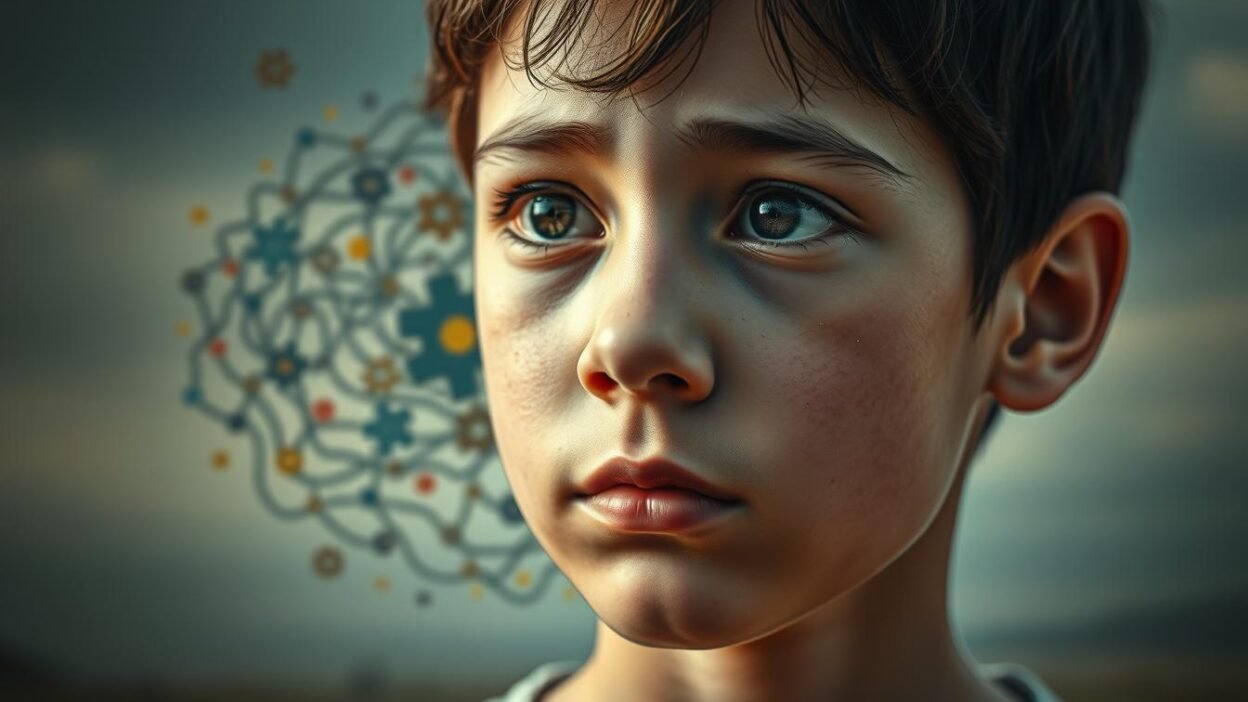
Sarah noticed her three-year-old son liked playing alone and didn’t often look at her when they talked. She wondered if this was normal or something more. Her pediatrician explained it was a complex condition that affects many families.
Autism spectrum disorder is a lifelong condition that affects brain development. It changes how people see the world and interact with others. The Centers for Disease Control and Prevention say about one in 36 children in the U.S. have it.
This beginner’s guide to autism talks about how it shows up in different ways. It affects social communication, interaction, and behavior. Today, we see it as a neurological variation that needs support and the right help.
Learning about these basics helps us understand and support neurodiversity in our communities.
Parenting a child with unique developmental or learning needs can feel overwhelming, but informed guidance can make the journey more empowering. The Parenting & Family section provides practical strategies for communication, behavioural support, emotional connection, and building a calm home environment. Parents can explore related insights in the Special Needs Awareness category to better identify early signs and understand underlying needs. For clarity about developmental progress, the Developmental Milestones resources offer age-specific benchmarks that help caregivers set realistic expectations. When learning challenges arise, the Learning Disabilities category provides targeted support strategies for school and homework. For emotional wellbeing—both for children and parents—PsyForU.com offers mental-health tools rooted in psychology. Those wanting to build stronger routines, reduce stress, or cultivate intentional family habits can enhance their journey with guidance from IntentMerchant.com. These connected platforms ensure that parents never feel alone and always have trusted support at every step.
Key Takeaways
- Autism affects about one in 36 children in the United States, CDC data shows
- The condition comes from brain development differences that affect social communication
- Autism is a neurological variation, not a disease to be cured
- Early recognition and the right support can greatly improve life outcomes
- Knowing about autism helps make our communities more welcoming to neurodivergent people
- Getting a professional evaluation is key for accurate diagnosis and planning
1. Understanding Autism: Definition and Core Characteristics
Autism spectrum disorder is a neurodevelopmental condition that affects many areas of human growth. It changes how people handle social info, talk to others, and see their world. It’s part of a group of disorders that show up early in childhood.
The main signs of autism are in two big areas. Social communication challenges are the first, making it hard to talk and connect with others. The second area is restricted and repetitive patterns in behavior and interests, which can really impact daily life.
Studies show autism comes from brain differences in development and connections. These brain changes affect how people sense things, manage feelings, and understand social signs. These differences start before birth and keep shaping behavior as people grow.
Doctors use specific signs to diagnose autism. They look for deficits in social-emotional reciprocity, trouble with nonverbal communication, and issues in forming relationships. They also check for restricted interests, repetitive actions, or trouble with sensory info.
The word “spectrum” means autism affects people in many ways. Some need a lot of help every day, while others live on their own and do well in their jobs. This shows autism is a spectrum of experiences, not the same for everyone.
2. The Autism Spectrum: Why It’s Called a “Spectrum Disorder”
Autism is a spectrum, which means no two people with it are alike. This idea changed autism research by showing how different people with autism can be. It moves away from old ways of thinking and accepts the many ways autism can show up.
Every child with autism is unique. Their behavior can range from mild to severe. The spectrum idea shows how wide-ranging these differences can be.

2.1. Levels of Support Needs
There are three levels of support for people with autism. These levels help us understand how much help someone needs every day. They guide us in creating the right plans for each person.
Level 1 is for those who need a little help with social skills and flexibility. They can usually take care of themselves. Level 2 is for those who need a lot of help because they struggle more with talking and understanding others.
Level 3 is for those who need a lot of help with everything. They face big challenges with communication and behavior that affect their daily life. This way of looking at asd diagnosis helps us plan better and use resources wisely.
| Support Level | Communication Characteristics | Behavioral Patterns | Independence Level |
|---|---|---|---|
| Level 1 – Requiring Support | Difficulty initiating social interactions | Inflexibility causes functional problems | High independence with minimal support |
| Level 2 – Substantial Support | Limited verbal and nonverbal communication | Difficulty coping with change | Moderate independence with regular support |
| Level 3 – Very Substantial Support | Severe communication deficits | Extreme difficulty with transitions | Limited independence requiring constant support |
2.2. Individual Variations in Abilities
The autism spectrum shows a wide range of abilities and skills. Some people with autism are very smart, while others may have intellectual disabilities. This shows why we need to tailor our help to each person.
Many people with autism are really good at some things but struggle with others. This mix of strengths and challenges is what makes the autism spectrum so complex. Autism research is working to understand these patterns better.
Because autism is a spectrum, diagnosing it requires looking at many areas. Language, social skills, and how well someone adapts to daily life can vary a lot. This means we need to create support plans that fit each person’s unique needs.
3. Early Signs and Symptoms of Autism in Children
The first signs of autism show up in early childhood. They are seen in the first three years, when kids should hit important milestones. Studies say some babies might show small differences as early as six months. But, most signs get clearer between ages two and three.
Parents and doctors look for three main areas to spot autism. These areas help show if a child might have autism.

Social Communication Challenges
One big sign of autism in children is trouble with talking. Kids might not make eye contact or respond to their name. They might not want to share or point to things.
They might also have trouble following what someone else is looking at. Smiling and playing together can be hard for them too.
Repetitive Behaviors and Restricted Interests
Another sign is doing the same thing over and over. This can be hand flapping, rocking, or spinning. Kids might get upset if things change too much.
They might also really focus on one thing, like wheels or numbers. They might not be interested in toys or games that other kids like.
Sensory Processing Differences
Some kids with autism in children might be too sensitive to sounds or touch. They might cover their ears or avoid certain textures. Others might seek out strong sensory experiences, like spinning.
These differences can affect how they act and feel every day. Knowing these signs helps families get help for their child sooner.
4. Recognizing Autism in Toddlers: Red Flags for Parents
The toddler years are key for spotting early signs of autism in toddlers. At this age, kids usually grow fast in talking, playing, and social skills. But, kids with autism might not follow these usual paths.
Studies show that signs of autism often appear between 12 and 24 months. Parents might notice their child not responding to their name or showing little interest in playing with others. They might also react strangely to common things.
“Early spotting and help can greatly help kids with autism. Parents know their kids best and should listen to their gut if something seems off.”
Developmental Milestones to Monitor
Watch closely for important milestones in the toddler years. Kids usually start using single words by 12 months and mix words by 24 months. Special needs parenting means noticing if these steps are slow or missing.
How kids interact with others is also a big clue. Normal toddlers like playing with others, share attention, and point things out. Kids with autism in toddlers might not look at people, prefer being alone, or miss social hints.
Play habits are also telling. Most toddlers pretend, copy others, and have many interests. If your child only plays the same way, focuses too much on one thing, or reacts oddly to touch, it’s time to check in with a pro.
When to Seek Professional Evaluation
If you see many red flags over time, it’s time for a pro to look at your child. Trust your parental instincts if your child’s growth seems way off from others or your family’s past.
If your toddler struggles with talking, playing with others, or keeps doing the same thing over and over, talk to your doctor. Special needs parenting starts with asking for help and getting a full check-up.
5. The Autism Diagnosis Process: What to Expect
Knowing what to expect during an autism evaluation can make families feel more confident. The autism diagnosis process has several stages. Each stage is done by skilled healthcare professionals. This careful approach helps find the right diagnosis and understand a child’s needs.
The whole process can take weeks or months. Doctors use special tools and their knowledge to learn about a child’s development. Each step builds on the last to get a full picture of the child’s abilities and challenges.
Initial Screening and Assessment
The first step is a quick screening during regular check-ups or special tests. Doctors watch for developmental milestones and talk to parents about their child’s behavior. This first check helps decide if more tests are needed.
Pediatricians often use the Modified Checklist for Autism in Toddlers (M-CHAT) for screening. This tool spots early signs that need more looking into. Early screening leads to early help and access to autism support services.
Comprehensive Diagnostic Evaluation
The next step is a detailed check by experts like developmental pediatricians and child psychologists. They watch the child closely and talk to parents and caregivers. This helps them understand the child’s development better.
They also interview parents and might do more tests to rule out other conditions. This careful method makes sure the diagnosis is right and finds any other health issues.
Understanding the Diagnostic Criteria
Doctors use the DSM-5 to diagnose autism. They look for problems with social communication and repetitive behaviors. This helps make sure the diagnosis is fair and consistent.
The team also considers cultural and language factors. They check if the symptoms really affect the child’s daily life. Meeting these criteria means a reliable diagnosis everywhere.
6. Understanding Autism Spectrum Disorder Causes and Risk Factors
Understanding autism means looking at both genes and environment. Research shows autism has no single cause. Instead, many factors work together to shape development.
Families raising a child with autism often seek answers. While we can’t pinpoint exact causes, research has found several factors that contribute to autism.
Genetic Factors
Genes play a big role in autism. Scientists have found hundreds of genes linked to autism risk. These genes impact brain growth, connections, and communication.
Some genetic conditions raise autism risk. Fragile X syndrome is linked to 2-3% of autism cases. Rett syndrome and tuberous sclerosis also have strong connections to autism.
Studies show autism can run in families. Siblings of children with autism have a 10-20% chance of being diagnosed. This suggests many genes work together to increase risk.
Environmental Considerations
Environmental factors can also play a part in autism. Older fathers and infections during pregnancy may increase risk. Advanced paternal age and maternal infections like rubella or cytomegalovirus are linked to autism.
Some medications taken during pregnancy might also raise autism risk. But, these findings need more study. It’s important to note that vaccines do not cause autism.
Knowing these risk factors helps in developing autism treatments and early intervention. While we can’t prevent autism, understanding these factors aids in better diagnosis and family planning.
| Factor Type | Specific Examples | Risk Level | Scientific Evidence |
|---|---|---|---|
| Genetic Conditions | Fragile X, Rett Syndrome, Tuberous Sclerosis | High | Well-established |
| Family History | Sibling with autism, multiple affected relatives | Moderate | Strong evidence |
| Parental Age | Advanced paternal age (40+), maternal age (35+) | Low-Moderate | Consistent findings |
| Prenatal Infections | Rubella, cytomegalovirus, influenza | Low | Limited evidence |
7. Common Myths and Misconceptions About Autism
Many myths about autism make it hard for people to understand and accept those on the spectrum. These autism myths come from old research, movies, and cultural misunderstandings. By debunking these myths, we help families make better choices and spread true awareness.
Science has proven many common beliefs about autism wrong. Knowing the truth helps parents and caregivers find the right support and avoid bad information.
Debunking Vaccine Myths
Many studies have shown no link between vaccines and autism. The first study claiming a link was taken back because of bad research and ethics. The researcher lost his medical license for faking data.
Big studies with millions of kids have found no link between vaccines and autism. The timing of when autism is found often matches when kids get vaccinated, leading to false beliefs.
Understanding Autism Capabilities
People often think autism means someone is either very smart or very limited. But, not everyone with autism is a genius, and not everyone is severely affected. This autism parenting guide shows that autism is a wide range of abilities.
Autism isn’t caused by bad parenting, food choices, or diseases. The idea that cold mothers cause autism is long gone. While some things in the environment might play a role, how parents raise their kids doesn’t cause autism.
| Common Myth | Scientific Reality | Impact on Families |
|---|---|---|
| Vaccines cause autism | No scientific evidence supports this claim | Delayed medical care and preventable diseases |
| Bad parenting causes autism | Autism has genetic and neurological origins | Unnecessary guilt and family stress |
| All autistic people are savants | Savant abilities occur in small percentage | Unrealistic expectations and disappointment |
| Autism can be cured | Autism is lifelong neurological difference | Pursuit of ineffective treatments |
8. Evidence-Based Treatments and Interventions
Effective autism support for parents relies on evidence-based treatments. These help families improve their child’s development and life quality. They target autism symptoms and boost skills in many areas. Starting early in preschool can greatly help children with autism.
Treatment plans mix different therapies based on each child’s needs. The best ones tackle communication, behavior, and developmental delays. They use clear, measurable methods.
8.1. Behavioral Therapies
Applied Behavior Analysis (ABA) is a top choice for autism treatment. It breaks down skills into easy-to-learn parts. ABA therapists use rewards to encourage good behavior and reduce bad ones.
Social skills training goes hand-in-hand with ABA. It teaches kids to talk to others, understand social signs, and make friends. Behavioral therapies work best when done at home and school.
8.2. Speech and Language Therapy
Speech and language therapy helps with communication issues common in autism. Therapists work on verbal and nonverbal skills, like gestures and pictures. Some kids use special devices to communicate.
Language therapy helps kids understand and use words better. It starts with simple words and moves to complex conversations.
8.3. Occupational Therapy
Occupational therapy focuses on daily skills and sensory processing in autism. It helps with fine motor, self-care, and handling sensory issues. It’s great for feeding and sleep problems.
Sensory integration therapy helps kids handle sensory inputs better. Many with autism are too sensitive or not sensitive enough to sounds, textures, or sights.
8.4. Educational Interventions
Educational interventions include special teaching methods and classroom help. They use visual aids and IEPs to help students with autism. These methods make routines clear and predictable.
Inclusive education lets kids with autism learn with others. They get the support they need in class.
| Intervention Type | Primary Focus | Key Benefits | Typical Duration |
|---|---|---|---|
| Applied Behavior Analysis | Behavior modification and skill building | Reduces challenging behaviors, increases adaptive skills | 20-40 hours weekly |
| Speech and Language Therapy | Communication development | Improves verbal and nonverbal communication | 2-3 sessions weekly |
| Occupational Therapy | Daily living skills and sensory processing | Enhances independence and sensory regulation | 1-2 sessions weekly |
| Educational Interventions | Academic and social learning | Supports classroom success and peer relationships | Daily school-based support |
9. Supporting Sensory Processing Needs
Understanding how sensory processing differences affect autism family challenges is key. These differences change how people with autism see and react to their surroundings. Knowing this helps families make their homes more comfortable and useful.
Every person with autism is different in how they handle sensory information. Some are very sensitive to certain things, while others need more intense sensory input. These differences greatly affect daily life and happiness for the whole family.
Understanding Sensory Sensitivities
People with autism might be very sensitive to light, sound, or touch. But they might not feel pain or temperature changes. This makes everyday things like bright lights or loud noises very hard for them.
Hypersensitivity means the nervous system reacts too strongly to sensory input. For example, some might cover their ears during loud sounds or get upset by certain textures. Many families join an autism parent support group to share tips and strategies for dealing with these issues.
On the other hand, hyposensitivity means needing more intense sensory input to feel sensations. People with this might enjoy loud music, seek out deep pressure, or seem not to notice pain. Understanding both types of sensitivities is important for finding the right support.
Creating Sensory-Friendly Environments
Making small changes to the environment can help a lot. Using soft lighting, reducing background noise, and creating quiet areas can make a big difference. These changes help make the environment more comfortable for those with autism.
Occupational therapists suggest specific changes based on each person’s sensory needs. This might include using weighted blankets, noise-canceling headphones, or textured surfaces. Each change is tailored to meet specific sensory needs found through careful observation.
Creating a sensory-friendly environment is about finding a balance for everyone. It’s about making sure the person with autism feels comfortable while also considering the needs of the rest of the family. This approach helps reduce autism family challenges and makes life more comfortable for everyone.
10. Parenting Strategies and Family Support
Families dealing with autism spectrum disorder find help in proven parenting methods. Effective parenting strategies create supportive environments for children with autism to grow. These methods need patience, consistency, and good resources.
Parent training programs teach vital skills for everyday challenges. Studies show families with structured support feel less stressed. Many find great help through autism resources usa groups that offer detailed training.
“The most successful families are those who view autism not as a limitation, but as a different way of experiencing the world that requires adaptive parenting approaches.”
Building Communication Skills
Improving communication needs a plan tailored to each child. Visual supports and structured routines help them understand better and feel less frustrated. Parents learn to catch and respond to non-verbal cues.
Naturalistic teaching works well in daily life. It helps children use skills in different places. Consistent practice in real-life settings boosts communication skills.
Managing Challenging Behaviors
Knowing why behaviors happen helps parents handle them better. Positive behavior support strategies teach good alternatives instead of just stopping bad ones. This way, it respects the child’s communication while teaching better ways to act.
Prevention is often better than reacting. Parents learn to spot triggers and change the environment to lessen bad behaviors. Getting help from experts leads to personalized plans for each family.
Supporting Siblings
Siblings of children with autism need extra care and understanding. Open communication about autism helps them grasp their sibling’s special needs. Many families join support groups through autism resources usa and similar programs.
It’s important to give each child attention while keeping the family together. Celebrating each child’s achievements strengthens family ties and fosters acceptance.
11. Educational Considerations and School Support
Students with autism need strong support in school to succeed. Schools must offer special services to help them learn. These autism support services help with social skills, interests, and behaviors.
Working together, families, teachers, and experts create a support system. This team focuses on learning, social skills, and behavior. Autism research shows that using students’ strengths is key.
Individualized Education Programs (IEPs)
IEPs are key for students with autism. They use detailed assessments to set goals and plans. These plans help students learn and grow socially.
IEP teams include parents and teachers. They set goals for communication, social skills, and behavior. They check progress and make changes as needed.
Key components of effective IEPs include:
- Present levels of academic and functional performance
- Measurable annual goals with specific objectives
- Special education services and related services
- Supplementary aids and program modifications
- Transition planning for post-secondary goals
Classroom Accommodations
Classroom aids help students with autism in regular classes. Changes in the classroom make it easier to learn. Visual aids like schedules help students understand what’s happening.
Teachers adapt lessons to fit different learning styles. They might give more time or break tasks into steps. Using technology helps with communication and learning.
Strong autism support services include sensory help and social skills training. This helps students make friends and handle social situations.
12. Resources and Support Services in the United States
Finding autism resources usa is key for families with loved ones on the autism spectrum. The U.S. has a wide range of organizations and services for autism. These include national groups and local programs, each with its own support.
Knowing about the different resources is important. Families often need to use many types of support. It’s vital to find the right resources for each family’s needs.
National Organizations and Support Groups
Many national groups offer autism resources usa and help. The Autism Society of America has educational materials and local chapters. Autism Speaks funds research and helps new families with resources.
The Autistic Self Advocacy Network speaks for the autism community. These groups help families find support that fits their values. They also connect families to local autism parent support group networks.
State and Local Resources
State and local systems offer direct services. For children under three, local early intervention systems provide help. Kids over three get services from their school districts.
State developmental disability agencies offer more support. Local autism groups host autism parent support group meetings. These meetings let families share and connect with others.
Financial Assistance Programs
There are many financial assistance programs for autism services. Insurance rules vary by state, but many cover autism therapy. State Medicaid waivers fund specific services and supports.
Grants are available from national and local foundations. Some help with therapy costs, while others fund equipment or respite care.
13. Conclusion
Autism spectrum disorder is a key part of human diversity, not a disease to be cured. People with autism can live happy, meaningful lives with the right support.
Early diagnosis and help are key for better outcomes. Getting a diagnosis and treatment early is best for kids and families. Support is important at any age, helping people grow and develop skills all their lives.
Autistic people have their own strengths and areas needing extra help. This shows how different brains work and interact with the world. By understanding these differences, we can celebrate each person’s abilities.
Research on autism is always improving our knowledge. Today, we focus on acceptance and building skills, respecting each person’s uniqueness. Listening to autistic voices helps us create better support.
Building inclusive communities takes ongoing effort and advocacy. With the right support, autistic individuals bring valuable perspectives to our society. Their unique thinking and problem-solving skills benefit us all.
Supporting autistic individuals is a community effort, not just for families. Together, we can build a world of acceptance, understanding, and opportunity for everyone.
FAQ
What exactly is autism spectrum disorder and how is it different from other developmental conditions?
Autism spectrum disorder (ASD) is a complex condition. It affects how people interact and communicate. It’s different because it involves specific social and behavioral challenges.
FAQ
What exactly is autism spectrum disorder and how is it different from other developmental conditions?
Autism spectrum disorder (ASD) is a complex condition. It affects how people interact and communicate. It’s different because it involves specific social and behavioral challenges.
Why is autism called a “spectrum disorder” and what does this mean for my child?
FAQ
What exactly is autism spectrum disorder and how is it different from other developmental conditions?
Autism spectrum disorder (ASD) is a complex condition. It affects how people interact and communicate. It’s different because it involves specific social and behavioral challenges.
FAQ
What exactly is autism spectrum disorder and how is it different from other developmental conditions?
Autism spectrum disorder (ASD) is a complex condition. It affects how people interact and communicate. It’s different because it involves specific social and behavioral challenges.
What are the earliest signs of autism that parents should watch for in toddlers?
FAQ
What exactly is autism spectrum disorder and how is it different from other developmental conditions?
Autism spectrum disorder (ASD) is a complex condition. It affects how people interact and communicate. It’s different because it involves specific social and behavioral challenges.
FAQ
What exactly is autism spectrum disorder and how is it different from other developmental conditions?
Autism spectrum disorder (ASD) is a complex condition. It affects how people interact and communicate. It’s different because it involves specific social and behavioral challenges.
How is autism diagnosed and what should I expect during the evaluation process?
FAQ
What exactly is autism spectrum disorder and how is it different from other developmental conditions?
Autism spectrum disorder (ASD) is a complex condition. It affects how people interact and communicate. It’s different because it involves specific social and behavioral challenges.
FAQ
What exactly is autism spectrum disorder and how is it different from other developmental conditions?
Autism spectrum disorder (ASD) is a complex condition. It affects how people interact and communicate. It’s different because it involves specific social and behavioral challenges.
What causes autism spectrum disorder and could I have prevented it?
FAQ
What exactly is autism spectrum disorder and how is it different from other developmental conditions?
Autism spectrum disorder (ASD) is a complex condition. It affects how people interact and communicate. It’s different because it involves specific social and behavioral challenges.
FAQ
What exactly is autism spectrum disorder and how is it different from other developmental conditions?
Autism spectrum disorder (ASD) is a complex condition. It affects how people interact and communicate. It’s different because it involves specific social and behavioral challenges.
Is it true that vaccines cause autism?
FAQ
What exactly is autism spectrum disorder and how is it different from other developmental conditions?
Autism spectrum disorder (ASD) is a complex condition. It affects how people interact and communicate. It’s different because it involves specific social and behavioral challenges.
What are the most effective treatments and interventions for autism?
FAQ
What exactly is autism spectrum disorder and how is it different from other developmental conditions?
Autism spectrum disorder (ASD) is a complex condition. It affects how people interact and communicate. It’s different because it involves specific social and behavioral challenges.
FAQ
What exactly is autism spectrum disorder and how is it different from other developmental conditions?
Autism spectrum disorder (ASD) is a complex condition. It affects how people interact and communicate. It’s different because it involves specific social and behavioral challenges.
How can I help my child with sensory processing issues related to autism?
FAQ
What exactly is autism spectrum disorder and how is it different from other developmental conditions?
Autism spectrum disorder (ASD) is a complex condition. It affects how people interact and communicate. It’s different because it involves specific social and behavioral challenges.
FAQ
What exactly is autism spectrum disorder and how is it different from other developmental conditions?
Autism spectrum disorder (ASD) is a complex condition. It affects how people interact and communicate. It’s different because it involves specific social and behavioral challenges.
What should I know about getting educational support for my child with autism?
FAQ
What exactly is autism spectrum disorder and how is it different from other developmental conditions?
Autism spectrum disorder (ASD) is a complex condition. It affects how people interact and communicate. It’s different because it involves specific social and behavioral challenges.
FAQ
What exactly is autism spectrum disorder and how is it different from other developmental conditions?
Autism spectrum disorder (ASD) is a complex condition. It affects how people interact and communicate. It’s different because it involves specific social and behavioral challenges.
How can I manage challenging behaviors in my child with autism?
FAQ
What exactly is autism spectrum disorder and how is it different from other developmental conditions?
Autism spectrum disorder (ASD) is a complex condition. It affects how people interact and communicate. It’s different because it involves specific social and behavioral challenges.
FAQ
What exactly is autism spectrum disorder and how is it different from other developmental conditions?
Autism spectrum disorder (ASD) is a complex condition. It affects how people interact and communicate. It’s different because it involves specific social and behavioral challenges.
Where can I find reliable resources and support for autism in the United States?
FAQ
What exactly is autism spectrum disorder and how is it different from other developmental conditions?
Autism spectrum disorder (ASD) is a complex condition. It affects how people interact and communicate. It’s different because it involves specific social and behavioral challenges.
FAQ
What exactly is autism spectrum disorder and how is it different from other developmental conditions?
Autism spectrum disorder (ASD) is a complex condition. It affects how people interact and communicate. It’s different because it involves specific social and behavioral challenges.
Can people with autism live independently and have successful careers?
FAQ
What exactly is autism spectrum disorder and how is it different from other developmental conditions?
Autism spectrum disorder (ASD) is a complex condition. It affects how people interact and communicate. It’s different because it involves specific social and behavioral challenges.
FAQ
What exactly is autism spectrum disorder and how is it different from other developmental conditions?
Autism spectrum disorder (ASD) is a complex condition. It affects how people interact and communicate. It’s different because it involves specific social and behavioral challenges.
How does autism affect family dynamics and what support is available for siblings?
FAQ
What exactly is autism spectrum disorder and how is it different from other developmental conditions?
Autism spectrum disorder (ASD) is a complex condition. It affects how people interact and communicate. It’s different because it involves specific social and behavioral challenges.
FAQ
What exactly is autism spectrum disorder and how is it different from other developmental conditions?
Autism spectrum disorder (ASD) is a complex condition. It affects how people interact and communicate. It’s different because it involves specific social and behavioral challenges.
What’s the difference between autism research and autism myths I see online?
FAQ
What exactly is autism spectrum disorder and how is it different from other developmental conditions?
Autism spectrum disorder (ASD) is a complex condition. It affects how people interact and communicate. It’s different because it involves specific social and behavioral challenges.
FAQ
What exactly is autism spectrum disorder and how is it different from other developmental conditions?
Autism spectrum disorder (ASD) is a complex condition. It affects how people interact and communicate. It’s different because it involves specific social and behavioral challenges.
Is early intervention really that important for children with autism?
FAQ
What exactly is autism spectrum disorder and how is it different from other developmental conditions?
Autism spectrum disorder (ASD) is a complex condition. It affects how people interact and communicate. It’s different because it involves specific social and behavioral challenges.
FAQ
What exactly is autism spectrum disorder and how is it different from other developmental conditions?
Autism spectrum disorder (ASD) is a complex condition. It affects how people interact and communicate. It’s different because it involves specific social and behavioral challenges.