
Have you ever wondered why siblings reach milestones at different times? This shows a basic truth about human growth. Individual developmental differences are not problems but natural expressions of our biological diversity.
Growth is a dynamic process shaped by biology and environment, according to experts. These elements interact continuously from birth through elementary school. Recent brain research has changed how we understand early brain development.
The brain builds neural connections most rapidly during the first three years of life. This early period sets the foundation for future learning and growth.
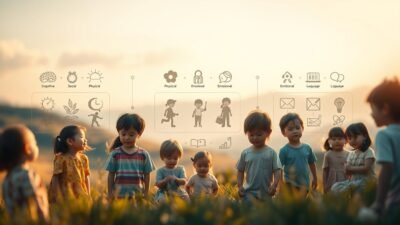
Each child’s growth unfolds at its own pace across multiple areas. Physical, cognitive, social, emotional, and language skills all develop differently. Genes, culture, personality, and early experiences all contribute to these variations.
Developmental psychology identifies general patterns in how children grow. However, the expression of these patterns differs significantly among individuals.
Understanding this variability helps us recognize an important fact. Developmental timelines are guidelines, not rigid schedules. This perspective allows parents and teachers to support each child’s unique journey with appropriate expectations.
Tracking developmental milestones is essential for understanding a child’s growth, readiness, and support needs. The Developmental Milestones section provides structured age-wise charts and expert-backed guidance to help parents identify progress or delays with clarity. To complement this understanding, the Special Needs Awareness category offers detailed information on early signs of developmental challenges, helping families recognize when additional assessment may be necessary. When milestones impact learning or academic performance, readers can explore the Learning Disabilities section for targeted strategies and classroom support ideas. For emotional, cognitive, and behavioural insights related to child development, PsyForU.com offers evidence-based explanations. And for parents wanting to build healthier routines, reduce overwhelm, and develop intentional parenting practices, IntentMerchant.com provides powerful tools rooted in behavioural psychology. These interconnected resources support a holistic view of child development, enabling parents to track, understand, and nurture growth at every stage.
Key Takeaways
- Growth patterns result from complex interactions between biological factors and environmental influences that shape each other continuously
- Neural connections form most rapidly during early childhood, establishing foundations for lifelong learning and behavior
- Reaching milestones at different times is a normal expression of human diversity rather than a developmental concern
- Genetic inheritance, cultural contexts, temperament, and early experiences collectively influence individual trajectories
- General developmental patterns exist, but their expression varies significantly across individuals
- Understanding natural variation helps caregivers set appropriate expectations and provide tailored support
Understanding Child Development
Children grow from birth to adolescence following predictable patterns that researchers have carefully studied. These patterns help us understand how abilities develop as children mature. However, every child develops at their own unique pace.
Developmental science maps universal growth processes while recognizing individual differences. The field combines biology, psychology, sociology, and education for a complete picture. Development happens across multiple areas that constantly influence each other.
Understanding typical development helps us support children’s growth better. This balanced view prevents anxiety from comparing children too strictly against timelines. It also helps identify children who may need extra support.
Developmental Stage Theories
Stage theories help us understand how children think, feel, and interact at different ages. These theories identify critical periods when specific abilities typically emerge. Jean Piaget’s cognitive development theory remains highly influential today.
Piaget identified four distinct stages from infancy through adolescence. The sensorimotor stage spans birth to about two years. During this time, infants learn through sensory experiences and motor actions.
Babies develop object permanence during the sensorimotor stage. This means understanding that objects exist even when hidden from view.
The preoperational stage extends from roughly two to seven years. Children develop language and symbolic thinking during this period. Their thinking includes magical beliefs and difficulty understanding conservation principles.
From seven to eleven years, children enter the concrete operational stage. They develop logical thinking about tangible objects and events. They master conservation concepts but struggle with abstract reasoning.
The final formal operational stage emerges around age twelve. This stage enables abstract thinking and hypothetical reasoning. It continues through adulthood with systematic problem-solving abilities.
Erik Erikson’s psychosocial theory focuses on social and emotional development. Erikson identified eight psychosocial stages with central conflicts to resolve. Early childhood encompasses four critical stages shaping personality.
The first stage, Trust versus Mistrust, occurs from birth to eighteen months. Infants whose needs are consistently met develop trust in others. Responsive caregivers help babies trust the world around them.
The second stage, Autonomy versus Shame and Doubt, spans eighteen months to three years. Toddlers assert their independence during this period. They develop self-control and personal agency.
Between ages three and five, children navigate Initiative versus Guilt. They learn to plan activities and take initiative. They also develop a conscience during this stage.
From six to eleven years, the Industry versus Inferiority stage focuses on competence. Children develop academic and social skills during this period. Success builds confidence, while repeated failures may create inadequacy feelings.
| Age Range | Piaget’s Cognitive Stage | Erikson’s Psychosocial Stage | Primary Developmental Focus |
|---|---|---|---|
| Birth to 18 months | Sensorimotor (early phase) | Trust vs. Mistrust | Sensory exploration, attachment formation, basic trust development |
| 18 months to 3 years | Sensorimotor to Preoperational transition | Autonomy vs. Shame and Doubt | Language emergence, self-control, independence assertion |
| 3 to 6 years | Preoperational | Initiative vs. Guilt | Symbolic play, imagination, social role exploration |
| 6 to 11 years | Concrete Operational | Industry vs. Inferiority | Logical thinking, academic skills, peer relationships |
Observable Markers of Growth
Developmental milestones are observable skills that typically emerge within specific age ranges. These markers help parents and professionals monitor children’s progress. Physical milestones include rolling over, sitting, crawling, and walking.
Children reach milestones at different times within normal ranges. Some infants walk at nine months, while others walk at fifteen months. This natural variation reflects genetic differences, environmental opportunities, and individual temperament.
Cognitive milestones encompass mental capabilities that emerge as brains mature. Language acquisition represents one dramatic achievement of early childhood. Most children speak first words around twelve months.
Problem-solving abilities, memory, attention span, and symbolic thinking all develop progressively. The first 1,000 days from conception to age two represent a critical period. Brain circuit development during this window establishes foundations for later abilities.
Social-emotional milestones track children’s growing relationship abilities. Attachment with primary caregivers during the first year creates security. Children develop empathy, learn to share, and navigate peer relationships.
Emotion regulation develops gradually throughout childhood. Toddlers frequently experience intense emotional outbursts due to limited self-control. By school age, most children have developed calming strategies.
Applications of Developmental Science
Developmental psychology provides theoretical frameworks and empirical evidence for understanding child growth. These insights translate into practical applications benefiting children and families. The field serves multiple essential functions beyond academic interest.
Understanding normal development helps healthcare providers identify children needing early intervention. Professionals can distinguish between normal variation and developmental delays. Early identification allows for timely support improving long-term outcomes.
Educational practice relies heavily on developmental psychology principles. Teachers create developmentally appropriate learning experiences matching children’s current capabilities. Understanding cognitive development prevents frustration from unrealistic expectations.
Parenting guidance benefits from developmental science by explaining age-appropriate expectations. Knowledge of typical child growth patterns reduces anxiety about normal variations. Parents make informed decisions about stimulation, discipline, and enrichment activities.
Policy makers use developmental research to design effective programs. Understanding critical periods for brain development has increased early childhood program investment. Recognition that early experiences shape lifelong learning justifies public funding.
The field continuously evolves as new research methods emerge. Neuroimaging technologies allow scientists to observe brain development in detail. Longitudinal studies illuminate how early experiences influence later outcomes.
The Role of Genetics in Development
DNA contains a complex instruction manual that shapes how each child grows, learns, and interacts. Every person inherits about 20,000 to 25,000 genes from their parents. These genetic blueprints set basic parameters for development.
This biological inheritance affects physical traits, cognitive abilities, and behavioral tendencies.
Understanding genetic factors in child development requires knowing that genes do not work alone. They function as part of a dynamic system that responds to environmental signals throughout childhood. Genes control the production of hormones, proteins, and neurotransmitters that regulate growth and brain development.
Growth hormone, for instance, is produced from birth and influences nearly every body function.
The classic nature versus nurture debate has changed considerably in recent decades. Modern developmental science recognizes that this dichotomy presents a false choice. Genetic inheritance and environmental experience work together continuously, with each shaping the other throughout childhood.
Heredity and Personality Traits
Research in behavioral genetics has revealed that many aspects of temperament show significant heritability. Temperament refers to biologically-based individual differences in reactivity and self-regulation that appear early in life. These foundational personality characteristics include activity level, emotional reactivity, sociability, and behavioral inhibition.
Twin studies provide compelling evidence for genetic influences on personality development. Identical twins, who share 100% of their DNA, display greater similarity in temperamental traits than fraternal twins. This pattern holds true even when twins are raised in different households.
The heritability of personality extends to the five major dimensions psychologists call the “Big Five” traits. These include:
- Extraversion: The tendency toward sociability, assertiveness, and positive emotionality
- Agreeableness: Characteristics such as compassion, cooperation, and trust in others
- Conscientiousness: Organization, persistence, and goal-directed behavior
- Emotional Stability: The capacity to remain calm and resilient under stress
- Openness to Experience: Curiosity, creativity, and willingness to try new things
However, genetic predispositions do not determine personality in a fixed manner. Gene-environment interactions show that the same genetic variations may lead to different outcomes depending on context. A child with genetic tendencies toward behavioral inhibition may develop confident social skills in a supportive environment.
Conversely, that same genetic profile might result in social anxiety with harsh or unpredictable caregiving.
“The interplay of biology and environment, present at birth, continues through the preschool years and primary grades.”
Children’s growth patterns illustrate this genetic-environmental interplay clearly. Physical development shows strong correlations with parental height and build. Yet nutrition, health care, and stress levels significantly influence whether children reach their genetic potential.
Growth hormone deficiency, a genetic condition, causes slower physical advancement in affected children.
Genetic Disorders and Their Impact
Chromosomal abnormalities and single-gene mutations can profoundly affect developmental pathways. These genetic disorders provide important insights into how genetic factors in child development establish certain parameters for growth. Understanding these conditions helps parents, educators, and healthcare providers support children more effectively.
Down syndrome, caused by an extra copy of chromosome 21, affects approximately one in 700 births. Children with Down syndrome typically experience delays in cognitive development, distinctive physical features, and increased health risks. However, the severity of these characteristics varies considerably among individuals.
Fragile X syndrome represents the most common inherited cause of intellectual disability. This condition results from a mutation in the FMR1 gene on the X chromosome. Boys are more severely affected than girls because they have only one X chromosome.
Children with fragile X syndrome often exhibit developmental delays, learning disabilities, and social anxiety. Early intervention programs can significantly improve outcomes for these children.
Phenylketonuria (PKU) demonstrates how environmental modifications can compensate for genetic conditions. This inherited metabolic disorder prevents the body from properly processing the amino acid phenylalanine. Without treatment, PKU causes severe intellectual disability.
However, when identified through newborn screening and managed through dietary restrictions, children with PKU develop normally. This condition illustrates the critical importance of understanding gene-environment interactions.
| Genetic Condition | Genetic Cause | Primary Developmental Impacts | Environmental Interventions |
|---|---|---|---|
| Down Syndrome | Extra chromosome 21 | Cognitive delays, physical characteristics, health risks | Early intervention, specialized education, medical management |
| Fragile X Syndrome | FMR1 gene mutation | Intellectual disability, learning challenges, social anxiety | Behavioral therapies, educational support, medication when appropriate |
| Phenylketonuria | PAH gene mutation | Intellectual disability if untreated | Dietary phenylalanine restriction, regular monitoring |
These genetic conditions underscore an essential principle: while genetics establishes certain predispositions, environmental factors significantly influence expression. Development and learning represent dynamic processes that reflect the complex interplay between biological characteristics and environmental experiences. Each factor shapes the other as well as future patterns of growth.
The contemporary understanding of genetics in development moves beyond simple nature versus nurture arguments. Researchers recognize that genetic inheritance and environmental experience work together in sophisticated, mutually influential ways. Developmental outcomes invariably result from their continuous interaction throughout childhood and beyond.
Environmental Influences on Childhood
A child’s growth happens within nested environments. These range from family interactions to broader cultural systems. Genetic inheritance provides the biological foundation for development.
The environments children inhabit daily determine much about how they develop. These environmental factors operate at multiple ecological levels. They create complex interactions that shape developmental outcomes.
The physical, social, and cultural spaces children occupy exert powerful influences. They affect cognitive abilities, emotional regulation, and social competencies. Research shows that environmental conditions affect what children learn.
These conditions also affect how their brains develop structurally and functionally. Understanding these environmental influences helps explain developmental differences. Children from different backgrounds follow distinct developmental pathways.
Environmental impact on children extends beyond simple cause-and-effect relationships. Multiple factors interact dynamically across time. Early environmental exposures often set trajectories that become difficult to alter.
This section examines three critical environmental domains. These include socioeconomic circumstances, family contexts, and cultural frameworks.
The Impact of Socioeconomic Status
Socioeconomic status represents one of the most powerful environmental predictors. Family income, parental education levels, and occupational status collectively influence children’s trajectories. These factors affect development through multiple interconnected mechanisms.
They affect development not merely through material deprivation. They also work through associated stressors and opportunities that accumulate over time.
Living in persistent poverty can generate chronic stress. This stress negatively affects brain areas associated with cognitive functions. Children experiencing economic hardship face elevated cortisol levels.
These elevated levels disrupt normal neural development. The prefrontal cortex and hippocampus are particularly affected. These brain regions support executive functions and memory formation.
The consequences of socioeconomic disadvantage manifest across developmental domains. Children from low-income households show different linguistic development than high-income peers. By age three, economically disadvantaged children may hear 30 million fewer words.
This creates substantial gaps in vocabulary knowledge and language processing skills.
Beyond language development, socioeconomic status influences access to high-quality resources. These include educational materials, nutritious food, safe housing, and healthcare services. Children in low-income neighborhoods often attend underfunded schools.
They live in areas with greater environmental toxin exposure. They experience housing instability that disrupts educational continuity. These cumulative disadvantages compound over time.
Systemic inequities further amplify socioeconomic effects for certain populations. Black and Latino/a children experience more adverse childhood experiences than White non-Latino/a populations. Children in refugee and immigrant families face similar challenges.
These disparities result from structural racism. This racism is embedded in housing policies, employment practices, and educational systems.
Racism must be recognized for its immediate and obvious impacts on children. It also has long-term negative impacts. The repetitive trauma created by racism can predispose individuals to chronic disease.
Children experiencing racial discrimination show elevated stress responses. These responses accelerate biological aging. They increase vulnerability to both physical and mental health problems.
This toxic stress environment affects development independently of family income. Social marginalization operates as a distinct developmental risk factor.
Parental education levels represent another critical dimension of socioeconomic influence. Parents with higher educational attainment possess greater knowledge about child development. They engage in more cognitively stimulating interactions.
They hold higher educational expectations for their children. These factors create home environments that support language development. They also support problem-solving skills and academic motivation.
Despite these group-level patterns, individual variation remains substantial. Many children demonstrate remarkable resilience despite economic hardship. This resilience occurs when families provide emotional support and maintain stable routines.
Connecting children with supportive community resources also helps. These protective factors highlight that socioeconomic circumstances represent probabilities rather than destinies.
Family Dynamics and Parenting Styles
Family plays a crucial part in energizing, supporting, and nurturing children. Family characteristics depend on a family’s capacity to invest in raising children. Parenting style and propensity to establish a flexible linguistic environment matter.
The quality of family relationships creates the immediate developmental context. Specific parenting approaches shape children’s social-emotional competencies. They also shape self-regulation abilities and value internalization.
Albert Bandura’s social learning theory emphasizes that children learn by watching others. These others include parents, teachers, and peers. Through observational learning, children acquire behavioral patterns and emotional responses.
Children acquire problem-solving strategies by witnessing how significant adults navigate daily challenges. Parents serve as primary models for communication styles. They model conflict resolution approaches and emotional expression.
Developmental psychologist Diana Baumrind identified distinct parenting styles. Her framework categorizes parenting approaches based on two dimensions. These dimensions are responsiveness and demandingness.
Responsiveness includes warmth, acceptance, and involvement. Demandingness includes structure, expectations, and control. These dimensions combine to create four primary parenting styles.
| Parenting Style | Responsiveness Level | Demandingness Level | Key Characteristics | Typical Developmental Outcomes |
|---|---|---|---|---|
| Authoritative | High warmth and support | High structure and expectations | Sets clear boundaries while remaining responsive; explains rules; encourages independence within limits | Strong self-regulation, academic competence, social skills, emotional well-being |
| Authoritarian | Low warmth and acceptance | High control and demands | Emphasizes obedience; uses punishment; provides little explanation; expects compliance without question | Lower self-esteem, anxiety, reduced social competence, adequate academic performance |
| Permissive | High warmth and indulgence | Low structure and expectations | Makes few demands; avoids confrontation; acts more like friend than authority; inconsistent discipline | Poor self-regulation, impulsivity, difficulty with authority, lower academic achievement |
| Uninvolved | Low warmth and engagement | Low expectations and involvement | Provides minimal supervision; emotionally distant; focused on own needs; neglects developmental needs | Multiple difficulties across domains, behavioral problems, attachment issues, academic struggles |
Research demonstrates that the parenting styles effect on development varies across cultural contexts. Authoritative parenting generally predicts positive outcomes across diverse populations. This approach combines high warmth with appropriate structure.
It creates environments where children feel emotionally supported while learning self-discipline. Children raised with authoritative parenting typically develop strong self-regulation capacities. They perform well academically and demonstrate socially competent behavior.
Family structure and dynamics extend beyond parenting style. They include sibling relationships, parental mental health, and overall family stress levels. Sibling interactions provide important contexts for developing conflict resolution skills.
They help develop empathy and perspective-taking abilities. Children with siblings often show advanced social understanding compared to only children.
Parental mental health significantly affects the family environment children experience. Parents struggling with depression, anxiety, or substance abuse may provide less consistent caregiving. They show reduced emotional availability and more negative interaction patterns.
These family stress factors can disrupt secure attachment formation. They increase children’s vulnerability to emotional and behavioral difficulties.
Family dynamics also reflect the capacity to establish linguistically rich environments. Parents with higher educational levels typically engage in more complex conversations with children. They ask open-ended questions and provide elaborated explanations.
These interaction patterns support vocabulary growth and syntactic development. They also support the narrative skills essential for literacy acquisition.
Cultural Influences on Development
Development occurs within culturally specific meaning systems. These systems define appropriate behavior, desirable characteristics, and normative developmental pathways. Cultural contexts shape not only what children learn.
They also shape how developmental processes unfold. This creates diverse pathways that are adaptive within their respective environments. Understanding cultural influences requires recognizing that Western developmental models represent one cultural perspective.
Cultural variations in childrearing practices reflect different values and priorities. In some cultures, children may be encouraged to satisfy their curiosity. They move independently to explore the environment.
In other cultures, children may be socialized to seek answers within structured activities. These different approaches reflect cultural emphases on independence versus interdependence.
Sleeping arrangements illustrate how cultural practices shape early experiences. Many Western families prioritize independent sleeping from infancy. This practice is viewed as promoting autonomy and self-soothing abilities.
In contrast, co-sleeping remains normative in many Asian, African, and Latin American cultures. Physical closeness supports interdependent relationships and family cohesion. Neither approach is inherently superior.
Feeding practices similarly vary across cultural contexts. Some cultures emphasize scheduled feedings and early weaning to encourage independence. Others practice extended breastfeeding and child-led feeding patterns.
These practices shape not only nutritional outcomes. They also shape attachment patterns and expectations about caregiver responsiveness.
Language socialization represents another domain where cultural influences operate powerfully. Some cultural communities emphasize elaborate verbal interactions with young children. They treat infants as conversational partners even before they can speak.
Other cultures view early childhood as a listening period. Children are expected to observe carefully before participating actively in conversations. Both approaches support language development.
Cultural psychology recognizes that human development is fundamentally cultural, with psychological processes shaped by participation in culturally organized activities and practices that vary systematically across communities.
Educational expectations and practices reflect cultural values about knowledge acquisition. Some cultures emphasize formal academic instruction beginning in early childhood. They view early literacy and numeracy skills as critical developmental achievements.
Other cultural traditions prioritize learning through observation. Children participate in adult activities. Children acquire competencies by contributing meaningfully to family and community work.
Cultural influences also shape emotional socialization and expression norms. Individualistic cultures often encourage children to express emotions openly. They view emotional expression as psychologically healthy.
Collectivistic cultures may socialize children to regulate emotional displays. They particularly regulate negative emotions to maintain social harmony. These cultural differences affect emotional competence development.
Migration and acculturation create complex cultural contexts for many contemporary children. Children in immigrant families often navigate multiple cultural systems simultaneously. They develop bicultural competencies while sometimes experiencing cultural conflicts.
This cultural complexity can represent both challenge and opportunity. Bicultural children sometimes demonstrate enhanced cognitive flexibility and perspective-taking abilities.
Recognizing cultural diversity in developmental pathways challenges deficit-based perspectives. These perspectives evaluate all children against narrow normative standards. We must understand that various cultural practices represent adaptive strategies.
These strategies prepare children to function successfully within their specific cultural contexts. This culturally informed perspective honors diversity while maintaining attention to universal developmental needs.
The Significance of Early Childhood Experiences
From birth through the first years of life, experiences shape how children develop. These early experiences become embedded in the developing brain. They create patterns that affect learning, behavior, and relationships throughout life.
Interactions between infants and caregivers create powerful biological effects. Infants look to adults as sources of information. Consistent, responsive caregiving supports the formation of healthy relationships.
Adults who respond sensitively to an infant’s babble, cry, or gesture support brain development. These responses help build neural connections. These connections lay the foundation for communication and social skills, including self-regulation.
These “serve and return” interactions shape the brain’s architecture in measurable ways. A persistent lack of responsive care creates chronic stress for infants. This stress may negatively impact brain development.
Chronic stress may delay or impair the development of essential systems and abilities. These include thinking, learning, and memory. It also affects the immune system and the ability to cope with stress.
Caring, consistent relationships remain important throughout early childhood. These protective relationships can come from family and other community members. They can also come from high-quality early childhood programs.
Such relationships are especially critical for children facing adverse circumstances. They can reduce many negative effects of early adversity on child growth patterns. They also support overall development.
Secure Bonds and Developmental Outcomes
Emotional bonds formed between infants and their primary caregivers establish templates for relationships. These templates extend far beyond infancy. Attachment theory, developed by psychiatrist John Bowlby, provides a framework for understanding these early relationships.
Bowlby proposed that infants are biologically predisposed to form attachments with caregivers. These attachment relationships serve an evolutionary function. They keep vulnerable infants close to protective adults.
The quality of these attachments varies considerably based on caregiver responsiveness. Psychologist Mary Ainsworth expanded Bowlby’s theoretical work through empirical research. Her Strange Situation procedure identified distinct attachment patterns.
Secure attachment develops when caregivers consistently respond with sensitivity to infant signals. These children use their caregiver as a secure base from which to explore. They show distress when separated but are easily comforted upon reunion.
This pattern reflects the development of trust and confidence in the caregiver’s availability. Children with secure attachments develop internal working models of relationships characterized by trust. These internal representations influence how children approach new relationships and social situations.
Research consistently demonstrates that secure attachment correlates with numerous positive developmental outcomes.
| Attachment Pattern | Caregiver Behavior | Child Response | Long-term Outcomes |
|---|---|---|---|
| Secure | Consistent, sensitive responsiveness | Uses caregiver as secure base; easily comforted | Better emotion regulation, positive peer relationships, greater resilience |
| Insecure-Avoidant | Emotionally unavailable, rejecting | Shows little distress at separation; avoids caregiver | Difficulty with emotional intimacy, dismissive relationship patterns |
| Insecure-Resistant | Inconsistent, unpredictable responses | Extreme distress; difficulty being comforted | Anxiety in relationships, preoccupied attachment style |
| Disorganized | Frightening or frightened behavior | Contradictory behaviors; confusion | Increased risk for behavioral problems and mental health challenges |
Attachment security influences brain development in regions associated with emotion regulation and stress response. Neuroimaging studies reveal that secure attachment relationships promote healthy development of the prefrontal cortex. This biological embedding of early social experiences demonstrates how individual developmental differences emerge.
Children with insecure attachment patterns face greater challenges, though outcomes vary. Insecure-avoidant attachment develops when caregivers are emotionally unavailable or rejecting. Insecure-resistant attachment emerges from inconsistent caregiving.
The most concerning pattern, disorganized attachment, is associated with frightening or frightened caregiver behavior. It carries the highest risk for later behavioral difficulties and mental health challenges.
Learning Through Play
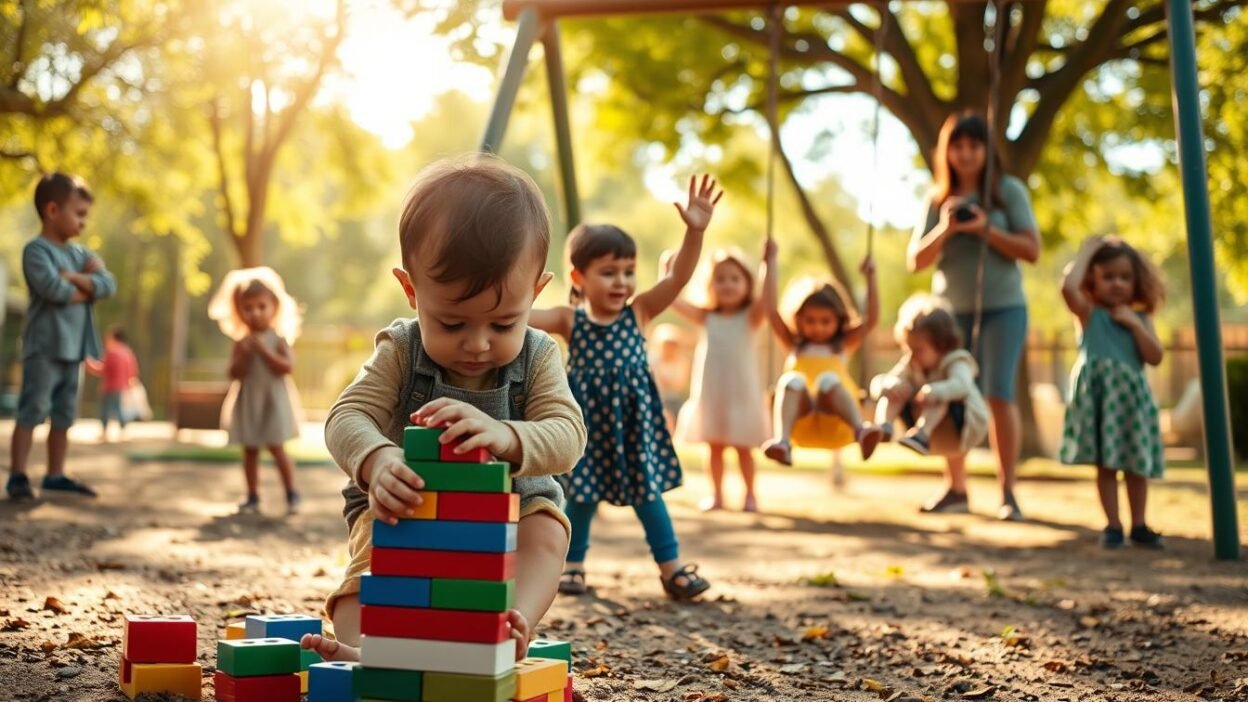
Play serves as a primary mechanism through which young children learn. Far from being frivolous or merely entertaining, play is essential for all children. This engagement represents serious work that promotes development across multiple domains simultaneously.
Play develops young children’s symbolic and imaginative thinking, peer relationships, and language. It also supports physical development and problem-solving skills. Studies find clear links between play and foundational capacities such as working memory and self-regulation.
These research findings underscore that play embodies the characteristics of effective development and learning. Play involves active, meaningful engagement driven by children’s choices.
Researchers studying the pedagogy of play have identified three key components: choice, wonder, and delight.
Different forms of play contribute uniquely to development. Sensorimotor play in infancy involves exploration through the senses and movement. It builds understanding of physical properties and cause-effect relationships.
Symbolic play emerges in toddlerhood when children begin using objects to represent other things. This develops abstract thinking and imagination.
Constructive play involves building and creating, promoting spatial reasoning and problem-solving abilities. Games with rules teach children about structure, fairness, and cooperation. Sociodramatic play, where children take on roles and create scenarios together, provides rich contexts.
The benefits of play extend across developmental domains in interconnected ways. Play supports cognitive development by promoting symbolic thinking, hypothesis testing, and creativity. It facilitates language development through narrative construction and peer communication during collaborative play scenarios.
Active play enhances physical development through movement and fine motor activities. These activities include building with blocks or manipulating small objects.
Perhaps most significantly, play supports social-emotional development by providing low-stakes contexts for practicing essential skills. During play, children negotiate roles, resolve conflicts, and compromise. These experiences build emotional literacy and social competence in ways that direct instruction cannot replicate.
Contemporary concerns about the devaluation of play-based learning in early childhood settings warrant serious attention. Increasing academic pressures have reduced opportunities for self-directed play in many preschools and kindergartens. This shift occurs despite robust evidence that play-based learning produces superior long-term outcomes.
Children who experience rich play opportunities develop stronger executive function skills. They also develop better social competence and more positive attitudes toward learning. These capacities prove more predictive of later academic success than early mastery of discrete academic skills.
The quality of early experiences establishes developmental foundations. Responsive caregiving relationships and rich opportunities for play significantly influence individual developmental differences in children’s trajectories.
Positive early experiences promote optimal development across domains. Adverse experiences potentially disrupt normative developmental processes. However, the developing brain retains remarkable plasticity.
Early intervention combined with supportive relationships can mitigate many negative effects. This demonstrates that developmental pathways remain modifiable through high-quality experiences and relationships.
The Impact of Education on Development
Quality education is one of the most significant environmental influences on children’s development. Learning experiences shape both academic achievement and broader developmental skills. Educational environments combine curriculum design, teacher quality, peer interactions, and instructional methods.
Differences in educational quality create developmental gaps that persist throughout childhood. Educational experiences serve as powerful cognitive development factors. High-quality programs can offset early disadvantages, while poor education may worsen existing challenges.
Education’s impact extends across all developmental domains. Physical, social, emotional, and cognitive growth happen simultaneously in educational settings. Quality environments help children develop skills needed for complex academic and social demands.
Programs That Shape Early Learning
Early childhood education contributes substantially to children’s resilience and healthy development. High-quality programs provide consistent, responsive, and sensitive care. These programs foster social-emotional skills, executive functioning, and approaches to learning.
Several characteristics distinguish high-quality early childhood education programs. These features directly influence developmental milestones variation:
- Low child-to-teacher ratios that enable individualized attention and responsive interactions tailored to each child’s developmental needs
- Well-trained and adequately compensated educators who possess deep understanding of child development principles and effective pedagogical strategies
- Developmentally appropriate curriculum that balances child-initiated exploration with teacher-guided activities, respecting children’s natural learning processes
- Safe and stimulating physical environments designed to encourage active exploration, creative expression, and diverse learning experiences
- Strong family partnerships that recognize parents as children’s first teachers and integrate home and school learning contexts
Longitudinal studies show that high-quality early childhood programs produce lasting benefits. Children who attend these programs demonstrate enhanced school readiness and improved academic achievement. These academic advantages lead to higher graduation rates and better long-term outcomes.
Early childhood investment represents a powerful economic approach with substantial returns. Programs like Perry Preschool documented benefit-cost ratios ranging from 7:1 to 13:1. Every dollar invested generates returns through increased productivity and reduced social service costs.
However, access to high-quality early childhood education remains inequitable. Children from low-income families often have the least access to quality options. This disparity creates persistent developmental gaps as disadvantaged children enter school without foundational skills.
Building Social Competencies Through School Environments
School environments influence both academic learning and social skill development. Classrooms provide opportunities for developing cooperation, sharing, conflict resolution, and communication skills. These social-emotional competencies represent critical cognitive development factors.
The developmental milestones variation in social competencies reflects differences in school environment quality. Classrooms emphasizing positive peer interactions produce different outcomes than narrowly academic-focused environments. Children develop social understanding through repeated interactions with diverse peers.
Teacher-student relationships exert powerful influences on children’s school adjustment and well-being. Children with warm, supportive teacher relationships show better academic engagement. Conversely, conflictual teacher relationships often lead to decreased motivation and behavioral problems.
| Instructional Approach | Developmental Focus | Learning Characteristics | Outcome Emphasis |
|---|---|---|---|
| Teacher-Directed | Narrow academic skills | Passive reception, repetition, standardized activities | Test performance, skill mastery |
| Child-Centered | Integrated development | Active exploration, meaningful engagement, individualized learning | Conceptual understanding, creativity, problem-solving |
| Balanced Approach | Multiple developmental domains | Structured guidance with exploration opportunities | Academic achievement plus broader competencies |
Instructional approaches significantly influence developmental outcomes across multiple domains. Teacher-directed approaches emphasizing rote memorization produce different results than child-centered pedagogies. Approaches integrating instruction across developmental domains produce superior outcomes.
Unfortunately, early elementary grades increasingly prioritize narrow cognitive learning over holistic development. This shift reflects misguided assumptions that academic skills can be isolated. Children learn most effectively when educational experiences honor the integrated nature of development.
Educational experiences represent powerful environmental influences on development. Program quality, accessibility, and developmental appropriateness contribute significantly to individual differences. Educational inequities perpetuate developmental disparities, particularly for disadvantaged children.
Addressing these inequities requires recognizing that all children deserve educational experiences that support development across all domains. Education should prepare children for lifelong learning and adaptive functioning.
Nutrition’s Role in Development
The foods children eat shape their physical, cognitive, and behavioral development. Nutritional intake impacts children from conception through adolescence. Unlike genetic factors, nutrition offers families and communities a way to influence child growth patterns.
Young children need the same basic food groups as adults for healthy development. They require appropriate preparations and portion sizes. Many children show strong preferences that can lead to nutritional gaps.
Foods rich in calcium, iron, and zinc are often neglected for less nutritious options. These deficiencies impact development.
Research shows that adequate maternal nutrition during pregnancy builds the foundation for optimal development. The critical window extends from conception through the first 1,000 days of life. This period of rapid growth creates heightened nutritional demands that produce lasting developmental consequences when unmet.
Effects of Nutrition on Growth and Cognition
Adequate nutrition supports multiple dimensions of physical development simultaneously. Skeletal growth, muscle formation, and brain maturation all depend on essential nutrients. The brain undergoes rapid development during early childhood, creating extraordinary nutritional requirements during this sensitive period.
Specific nutrients contribute distinct functions in supporting optimal development across domains:
- Protein provides building blocks for tissue growth and enables neurotransmitter synthesis essential for brain communication
- Iron facilitates oxygen transport throughout the body and supports myelination of neural pathways that increase processing speed
- Zinc strengthens immune function and regulates cell division processes critical for growth
- Calcium and Vitamin D work together to build strong bones and support skeletal development
- Essential fatty acids form structural components of brain tissue and enable efficient neural functioning
- B vitamins power metabolic processes that convert nutrients into usable energy for development
Studies reveal clear links between nutritional status and cognitive outcomes in children. Those with adequate nutrition show superior attention, memory, and processing speed. These differences persist even when researchers control for socioeconomic status and other confounding variables.
Nutrition particularly influences executive functions—the higher-order cognitive processes essential for school success. Working memory, cognitive flexibility, and inhibitory control all show sensitivity to nutritional status. Nutritional interventions can improve executive function performance in nutritionally at-risk children.
Children’s growth follows predictable patterns, with rapid expansion during the initial two years. Slower but steady growth occurs between ages two and six. Supporting optimal child growth patterns during these periods requires consistent access to nutrient-dense foods.
Most children in wealthy countries consume adequate calories. They frequently lack sufficient vitamins and minerals for complete developmental support.
Malnutrition and Behavioral Outcomes
Chronic malnutrition extends its effects far beyond physical growth limitations. Children experiencing persistent nutritional deficiencies encounter cognitive difficulties that compound over time. They also demonstrate problems with motivation, curiosity, and the capacity to engage meaningfully with their environments.
Deficiencies of vitamins A, B, D, and K create widespread developmental challenges for preschoolers worldwide. Inadequate iron and calcium also pose significant problems. Low-income households may struggle to provide the diverse food choices necessary for healthy growth.
Behavioral regulation suffers when children lack adequate nutrition. Malnourished children often exhibit these characteristic patterns:
- Reduced energy levels and decreased motivation for exploratory activities
- Diminished social interaction and lowered responsiveness to social stimuli
- Increased irritability and difficulty managing emotional responses
- Compromised attention spans and challenges with behavioral self-control
These behavioral characteristics negatively affect interaction quality with caregivers and peers. Social-emotional development suffers alongside physical and cognitive growth. The cascade of consequences extends well beyond the direct neurological effects of nutrient deficiencies.
A bidirectional relationship exists between nutrition and behavior. Children with difficult temperaments or feeding difficulties face increased risk for nutritional deficiencies. These deficiencies, in turn, worsen existing behavioral challenges, creating a self-reinforcing cycle.
The modifiable nature of nutritional status offers hope for reducing developmental disparities. Nutritional interventions show consistent promise for improving developmental outcomes, particularly for children at risk. Addressing nutritional inequities represents a practical strategy for supporting more equitable developmental trajectories.
Ensuring adequate nutrition requires systemic support beyond individual family efforts. Community programs, policy initiatives, and educational interventions all play essential roles in protecting children’s nutritional status. By treating nutrition as the fundamental developmental factor it represents, societies can create meaningful improvements in child outcomes.
Individual Differences in Development
Every child brings a unique combination of biological predispositions and experiential factors. These individual developmental differences shape their developmental journey in distinctive ways. Children respond differently to learning opportunities, social situations, and environmental challenges.
Understanding these variations helps parents, educators, and caregivers provide appropriate support. Each child needs support tailored to their specific needs.
Children demonstrate varying levels of susceptibility to environmental influences. Some children show remarkable resilience in difficult circumstances. Others may struggle with relatively minor disruptions.
This variability reflects the complex interaction between biological characteristics and contextual factors. These interactions define human development.
The abilities and skills children display often fluctuate from day to day. Individual or contextual variables affect these changes. A child might successfully complete a challenging puzzle one morning.
The same child might struggle with that puzzle the next day. Distractions, fatigue, or emotional state can cause this. This fluidity represents a normal aspect of childhood development.
Personality Types and Temperament
Temperament represents the biologically based individual differences in behavioral tendencies. These inherent characteristics remain relatively stable across time and situations. They provide the foundation upon which personality develops throughout childhood.
The temperament influence on development extends far beyond simple behavioral patterns. It affects how children experience their world. It also affects how others respond to them.
Pioneering researchers Alexander Thomas and Stella Chess identified nine temperamental dimensions. These dimensions capture the essence of individual differences in infancy and early childhood. Their longitudinal work revealed patterns that predict developmental outcomes.
These dimensions include activity level and rhythmicity of biological functions. They also include approach or withdrawal responses to new stimuli. Adaptability to change and threshold of responsiveness to sensory input are included too.
Other dimensions are intensity of emotional reactions and quality of predominant mood. Distractibility and attention span with persistence complete the list.
Based on these dimensions, Thomas and Chess classified children into three primary temperamental types. Easy children display regular biological rhythms and positive approach to new situations. They show high adaptability and mild to moderate intensity in reactions.
Difficult children show irregular biological functions and negative withdrawal from new experiences. They demonstrate slow adaptation to change and intense emotional reactions.
Slow-to-warm-up children demonstrate low activity levels and initial withdrawal from novelty. They show slow adaptation and mildly intense reactions.
| Temperamental Type | Key Characteristics | Percentage of Children | Developmental Implications |
|---|---|---|---|
| Easy | Regular routines, positive mood, adaptable, moderate reactions | Approximately 40% | Generally smooth adaptation to new situations; lower risk for behavioral problems |
| Difficult | Irregular patterns, negative mood, slow adaptation, intense reactions | Approximately 10% | Higher risk for adjustment challenges; requires patient, consistent parenting |
| Slow-to-Warm-Up | Low activity, initial withdrawal, gradual adaptation, mild intensity | Approximately 15% | Needs time to adjust; benefits from gentle exposure to new experiences |
| Mixed or Undefined | Combination of characteristics not fitting clear patterns | Approximately 35% | Requires individualized assessment and flexible approaches |
Temperamental characteristics influence developmental outcomes through multiple interconnected pathways. These traits directly affect behavior patterns. They determine how children approach tasks and interact with their environment.
They shape how children respond to various stimuli. These range from sensory experiences to social interactions. Temperament influences the social responses children evoke from adults and peers.
This creates feedback loops that reinforce certain behavioral tendencies.
Contemporary research has expanded our understanding of temperamental dimensions. Modern frameworks emphasize constructs such as behavioral inhibition. This describes a child’s tendency to withdraw from unfamiliar people or situations.
Negative emotionality captures the frequency and intensity of distress reactions. Effortful control reflects the ability to regulate attention and inhibit impulses. Surgency encompasses positive anticipation, high activity, and pleasure-seeking behaviors.
These temperamental dimensions predict diverse outcomes across development. Children high in behavioral inhibition may face increased risk for anxiety disorders. However, they also demonstrate enhanced academic focus.
Those with strong effortful control typically show better social competence. They also show better academic achievement. Understanding these connections allows for early identification of both vulnerabilities and strengths.
The concept of goodness-of-fit provides crucial insight into how temperament affects development. Developmental outcomes depend not solely on temperamental characteristics themselves. They depend on the match between a child’s temperament and environmental demands.
A highly active child may thrive in a setting that provides ample physical activity opportunities. That same child may struggle in environments requiring extended periods of stillness. The same temperamental profile can lead to vastly different outcomes.
This depends on parenting practices, cultural values, and institutional expectations.
Temperament interacts dynamically with environmental experiences in shaping personality development. Longitudinal research demonstrates both continuity and change in temperamental characteristics across development. While temperament provides certain predispositions, personality remains open to environmental influences throughout childhood.
A difficult temperament in infancy does not predetermine poor outcomes. This is especially true when caregivers provide sensitive, responsive care. Such care accommodates the child’s characteristics.
The Effect of Unique Life Experiences
Unique life experiences represent the idiosyncratic events and circumstances specific to individual children. These experiences are not shared by cohorts or groups. They contribute substantially to individual developmental differences.
These experiences often account for more variance in outcomes than factors common to all family members. This challenges assumptions about shared family environments as the primary developmental influence.
Non-shared environmental influences include several distinct categories of experiences. Differential treatment by parents creates unique developmental contexts for each child. Birth order, gender, or temperamental characteristics may lead parents to interact differently with different children.
Distinct peer relationships expose children to varying social experiences, feedback, and opportunities for skill development. Unique opportunities and challenges also contribute. Individual health experiences and random environmental events all contribute to developmental variability.
Research consistently demonstrates that non-shared environmental factors account for substantial portions of developmental variance. Studies comparing siblings raised in the same household reveal surprising differences. These differences appear in personality, academic achievement, and social competence.
These findings underscore the importance of considering each child’s individual experiential history. We should not assume that shared family circumstances affect all children similarly.
Specific types of unique experiences significantly influence developmental trajectories. Early health challenges or chronic illness may affect physical capabilities. They create distinctive social experiences and influence self-concept formation.
Children navigating health conditions often develop resilience, empathy, and coping skills. These qualities distinguish their development from peers without such experiences. However, they may also face social isolation or academic disruptions that require additional support.
Particular talents or disabilities shape educational experiences, peer relationships, and identity development in profound ways. A child with exceptional musical ability encounters opportunities for specialized instruction. They experience performance opportunities and social connections through that talent.
Conversely, a child with a learning disability faces unique challenges. These require adapted educational strategies. They may influence self-esteem and academic identity.
Significant life events create pivotal moments in developmental pathways. Parental divorce, residential moves, or loss of loved ones require substantial adaptation. They may influence emotional development and relationship patterns long-term.
While these experiences can pose challenges, they also provide opportunities. Children can develop coping strategies and emotional regulation skills. The impact depends on factors including the child’s age and available support systems.
How adults help the child process the experience also matters.
Distinctive opportunities such as specialized instruction, mentorship relationships, or exposure to particular activities shape development. They influence skill development, interests, and life trajectories. A chance encounter with an inspiring teacher can redirect developmental pathways.
Participation in a specific program or access to unique resources can have meaningful effects. These experiences often interact with existing interests and abilities. They amplify certain developmental directions while foreclosing others.
Children actively contribute to their own unique experiences through choices, preferences, and behaviors. This active role illustrates the transactional nature of development. Individual characteristics and environmental experiences continuously and reciprocally influence each other.
Temperamental characteristics influence which environments children seek out. A socially bold child gravitates toward group activities and leadership opportunities. A behaviorally inhibited child may prefer quieter, more structured settings.
Children’s interests and capabilities shape how they interpret experiences. They also shape how children respond to challenges. Two children attending the same event may have entirely different experiences.
This depends on what captures their attention and how they process information. It also depends on what meaning they construct. These interpretive differences accumulate over time.
They create increasingly divergent developmental pathways even among children exposed to similar environments.
The interplay between temperament and unique experiences creates developmental cascades. Early characteristics influence later experiences. These in turn shape subsequent characteristics.
A child with high persistence may experience more academic success. This leads to increased academic self-efficacy. That self-efficacy promotes further persistence in challenging tasks.
These cascading effects demonstrate how small initial differences can amplify. They can result in substantial developmental variations over time.
Recognizing and respecting individual differences represents an essential aspect of supporting healthy development. Each child’s developmental journey reflects a unique combination. This includes biological predispositions, environmental contexts, and experiential histories.
Effective support responds to each child’s distinctive characteristics, needs, and potential. It does not apply uniform approaches. Understanding the temperament influence on development and the role of unique experiences enables caregivers and educators.
They can create environments where diverse children can thrive according to their individual pathways.
The Importance of Emotional Development
Emotional capabilities play a major role in shaping long-term outcomes for children. All areas of child development work together in complex ways. Physical, cognitive, social, and language skills constantly interact and support each other.
Changes in emotional development often affect other areas of growth. This shows how connected different parts of childhood development really are.
Research shows strong links between social skills, emotions, executive function, and thinking abilities. Emotional development cannot be separated from other growth processes. Instead, emotional growth serves as both a foundation and result of broader development.
How emotional abilities develop varies greatly across children. Culture, social experiences, and individual traits all shape this growth. Early in childhood, emotion knowledge tends to be more concrete and based on visible behaviors.
As children move through elementary school, their abilities grow more sophisticated. They get better at identifying, labeling, and discussing emotional experiences.
Developing Emotional Awareness and Regulation Skills
Children’s journey toward emotional competence begins with basic expressions in infancy. Young children first learn to identify emotions in themselves and others. They start with fundamental feelings like happiness, sadness, anger, and fear.
As understanding matures, children recognize that people can experience multiple emotions simultaneously. They begin to appreciate that expressed emotions may differ from felt emotions. They understand the social complexities of emotional display rules.
Research shows that children with advanced emotion understanding show greater social competence. They develop more positive peer relationships compared to those with less developed emotional knowledge.
Elementary school students improve their abilities to self-report emotions. They use language to describe emotional circumstances with increasing precision. Their assumptions about what others experience become more complex as cognitive abilities advance.
Emotion regulation represents how individuals manage their emotional experiences and expressions. This critical capability develops gradually. It moves from early dependence on caregiver support toward independent self-regulatory strategies.
Children progressively learn various approaches to managing their emotions, including:
- Attentional deployment: Directing attention away from emotion-eliciting stimuli or toward calming alternatives
- Cognitive reappraisal: Reframing situations to alter their emotional impact
- Behavioral modulation: Adjusting actions and responses to manage emotional intensity
- Self-soothing techniques: Developing personal strategies for emotional comfort and stabilization
Emotion regulation capabilities predict numerous important developmental outcomes. Better self-regulation associates with greater school engagement and enhanced learning outcomes. Children who effectively regulate emotions demonstrate more prosocial behavior and experience fewer peer conflicts.
From a mental health perspective, emotion regulation difficulties represent a risk factor. These difficulties can lead to various psychological disorders across childhood and adolescence.
Emotion socialization practices profoundly influence how children develop emotional competencies. Parents’ emotional expressivity shapes developmental trajectories. Their reactions to children’s emotions and explicit emotion coaching all matter.
Research demonstrates that children whose parents acknowledge and validate their emotions develop superior emotional competencies. These parents provide guidance in emotion regulation.
In contrast, children whose emotions are dismissed or punished show less developed emotional skills. These patterns highlight how temperament influence on development interacts with environmental factors. This creates unique developmental pathways for each child.
“Emotional abilities emerge as a result of a growth process in which particular talents are nurtured and emerge individually with various periods, reflecting dynamic interactions with emotion-related elements that alter over time as the child develops.”
Fostering Strength and Adaptability in Young People
Resilience represents the dynamic process through which some children maintain positive adaptation. This happens despite exposure to significant adversity or stress. Rather than constituting a fixed trait, resilience emerges from interactions between individual characteristics and environmental factors.
Understanding these protective elements helps explain substantial developmental variability. Children facing similar circumstances can have very different outcomes.
Individual factors associated with resilience include positive temperamental characteristics such as adaptability and positive emotionality. Cognitive abilities, particularly problem-solving skills, contribute significantly to resilient outcomes. Self-regulation capabilities enable children to manage stress responses effectively.
Positive self-concept and a sense of self-efficacy provide psychological resources for facing challenges.
Environmental factors play equally critical roles in promoting resilience. The most consistently identified protective factor involves supportive relationships with at least one competent, caring adult. These connections provide children with emotional security, practical guidance, and models for effective coping.
The protective influence of supportive relationships extends beyond immediate family members. High-quality early childhood programs offer compensatory positive experiences for children facing home adversity. Positive school experiences provide skill-building opportunities and additional supportive relationships.
Community resources and broader social supports create safety nets. These buffer the impact of stress and adversity.
| Resilience Factor | Individual Contributions | Environmental Supports | Developmental Impact |
|---|---|---|---|
| Emotional Regulation | Self-soothing abilities, impulse control, stress management skills | Parent emotion coaching, responsive caregiving, stable routines | Enhanced coping capacity, reduced behavioral problems, better adaptation |
| Cognitive Flexibility | Problem-solving skills, cognitive reappraisal, perspective-taking | Challenging but supportive learning environments, growth mindset encouragement | Improved academic outcomes, creative problem-solving, adaptability |
| Social Connections | Communication skills, empathy, relationship-building capacity | Stable caring relationships, positive peer groups, community involvement | Strong support networks, prosocial behavior, reduced isolation |
| Self-Efficacy | Confidence in abilities, internal locus of control, achievement orientation | Mastery experiences, appropriate challenges, positive feedback | Greater persistence, goal achievement, proactive coping strategies |
Adversity itself presents a complex relationship with development. Moderate, manageable challenges can strengthen coping capabilities and promote resilience. They provide opportunities to practice problem-solving and emotional regulation.
This phenomenon, sometimes called “stress inoculation,” suggests something important. Complete protection from difficulty may not optimize developmental outcomes.
However, severe, chronic, or uncontrollable adversity can overwhelm children’s adaptive capacities. This is particularly true in the absence of supportive relationships. The distinction between growth-promoting challenges and overwhelming stress depends on several factors.
These include adversity intensity, duration, developmental timing, and available supports. The temperament influence on development becomes particularly evident here. Children with different temperamental characteristics respond variably to similar stressors.
Throughout childhood, emotional development represents a critical domain. It substantially influences developmental variability. Individual differences in emotional competencies and resilience contribute to divergent developmental trajectories.
This happens even among children facing similar circumstances.
Supporting emotional development through responsive caregiving proves essential. Emotion coaching, skill-building opportunities, and provision of supportive relationships represent key strategies. This approach proves particularly important for children facing adversity.
Enhanced emotional competencies and resilience can help buffer negative effects. They promote more positive outcomes. The integration of emotional development with other cognitive development factors creates a comprehensive framework.
This helps us understand why children develop so differently, even within seemingly similar environments.
The Role of Peer Relationships
Children create social worlds with their peers that serve as critical laboratories for learning. These interactions help essential life skills emerge and show individual developmental differences. Peer experiences differ fundamentally from relationships with parents, teachers, or other adults.
These peer experiences represent a significant environmental impact on children. They shape social competence, emotional adjustment, and cognitive development. The effects continue throughout childhood and beyond.
Play typically involves social interaction with peers and adults. These interactions create powerful contexts for learning. Children develop large-motor and fine-motor physical competence while exploring their world.
Through play, children express and control emotions. They develop symbolic and problem-solving abilities. They practice emerging skills in safe, supportive environments.
Children learn powerful lessons about social dynamics through observation. They watch interactions between educators and peers. Most young children develop basic definitions of social identities before age five.
These early understandings can include awareness of gender and race. They can also include biases regarding these identities. Educators must create learning environments that help children develop social identities fairly.
Friendships and Social Skills
Peer relationships and friendships serve unique developmental functions. Adult-child relationships cannot replicate these experiences. Peer interactions begin with parallel play in toddlers.
The developmental progression advances through cooperative play in preschool years. It culminates in organized games during middle childhood. These interaction capabilities become increasingly sophisticated as children grow.
Friendships represent reciprocal relationships characterized by mutual affection. They involve shared interests and preferential interaction. These bonds contribute to development in unique ways.
Friendships provide contexts for cooperation, negotiation, and conflict resolution. They offer opportunities for compromise. Unlike adult-child relationships, friendships offer relatively egalitarian experiences.
Through friendships, children develop intimacy and self-disclosure capabilities. They share thoughts, feelings, and experiences with trusted peers. These relationships support identity exploration as children compare themselves with peers.
Children receive feedback about their characteristics and capabilities through friendships. Research demonstrates that friendship quality predicts numerous positive outcomes. These include higher self-esteem, better emotional regulation, and increased social competence.
Peer acceptance measures how much children are liked by the peer group. It predicts significant developmental outcomes. Popular and accepted children show better adjustment and higher academic achievement.
They also face lower risk for behavioral and emotional difficulties. Rejected or neglected children show different patterns. These differences underscore how peer experiences contribute to individual developmental differences.
Researchers identify several distinct peer status categories. These reflect children’s positions within social hierarchies:
| Peer Status Category | Defining Characteristics | Developmental Implications |
|---|---|---|
| Popular | High acceptance, many friendships, positive social behaviors | Strong social skills, academic success, positive self-concept, leadership development |
| Rejected | Low acceptance, few friendships, aggressive or withdrawn behaviors | Increased risk for academic difficulties, behavioral problems, mental health challenges |
| Controversial | Both liked and disliked, mixed social behaviors | Variable outcomes depending on context and intervention support available |
| Neglected | Neither particularly liked nor disliked, minimal peer interaction | Potential social skill deficits, possible loneliness, variable long-term outcomes |
| Average | Moderate acceptance, typical friendship patterns | Generally positive adjustment, stable social development, age-appropriate competencies |
Social skills are learned behaviors that enable effective interaction with others. They both influence and are shaped by peer relationships. Children’s social skill levels affect their peer acceptance and friendship formation.
Peer interactions provide essential practice opportunities for developing social competencies. This reciprocal relationship creates feedback loops. These loops can amplify either positive or negative developmental trajectories.
Several social skills prove critical for peer success:
- Initiating and maintaining interactions through appropriate greetings, conversation starters, and sustained engagement
- Reading and responding to social cues including facial expressions, body language, and tone of voice
- Showing empathy and perspective-taking by understanding others’ feelings and viewpoints
- Sharing and cooperating during play activities and group tasks
- Managing conflicts constructively through negotiation and compromise rather than aggression
- Regulating emotions in social contexts by controlling impulsive reactions and expressing feelings appropriately
One recent study found that children perceive peers differently based on teacher signals. Children who receive more positive nonverbal signals from teachers are seen as “better” or “smarter.” This perception occurs regardless of actual performance.
Bullying and Its Effects on Development
Negative peer experiences profoundly affect developmental trajectories. Bullying represents repeated aggressive behavior involving a power imbalance. It differs from isolated conflicts or mutual altercations between peers of equal status.
The primary forms of bullying include:
- Physical aggression such as hitting, pushing, or damaging possessions
- Verbal harassment including name-calling, taunting, and threatening
- Relational aggression such as social exclusion, rumor-spreading, and friendship manipulation
- Cyberbullying that extends harassment beyond face-to-face contexts through digital platforms
Bullying behaviors peak during middle childhood and early adolescence. However, they occur across all age ranges. Certain individual characteristics increase victimization risk.
These include atypical appearance, social skills deficits, and minority status. Perceived weakness also increases risk. However, any child can become involved in bullying.
Extensive research documents significant negative effects of bullying victimization. Victims experience increased risk for depression, anxiety, and low self-esteem. Academic difficulties become common.
School avoidance becomes common as children attempt to escape hostile environments. In extreme cases, severe bullying contributes to self-harm or suicidal ideation. Effects potentially persist into adulthood even after bullying has ceased.
Being a bullying perpetrator also produces concerning developmental outcomes. Children who bully others show increased risk for antisocial behavior. They face higher rates of substance use, academic difficulties, and legal problems.
These patterns suggest that bullying behaviors reflect underlying developmental challenges. They require intervention rather than simple disciplinary responses.
Multiple factors contribute to bullying behavior across individual and environmental levels. Aggressive temperament and poor impulse control increase perpetration risk. Exposure to harsh or inconsistent parenting provides models for aggressive problem-solving.
Peer group norms that support or tolerate aggression create contexts where bullying flourishes. School environments that inadequately supervise common areas allow these behaviors to persist. Failure to respond consistently to bullying incidents allows escalation.
Bullying prevention requires comprehensive approaches that address individual, peer group, and institutional factors simultaneously rather than focusing exclusively on victims or perpetrators.
Evidence-based approaches to bullying prevention emphasize comprehensive school-wide programs. Effective initiatives establish clear behavioral expectations and consequences. They apply consistently to all students.
These programs promote positive peer norms through explicit instruction. They reinforce prosocial behaviors. Enhanced supervision of hallways, playgrounds, and cafeterias reduces opportunities for unsupervised aggression.
Building social-emotional competencies in all students represents a critical prevention component. Programs that teach empathy, perspective-taking, and emotion regulation skills reduce both perpetration and victimization rates. These universal approaches prove more effective than interventions targeting only identified bullies or victims.
Peer relationships represent a critical environmental context that substantially influences developmental variation. Children’s peer experiences contribute significantly to individual developmental differences. Supporting positive peer relationships while preventing negative peer experiences promotes optimal development for all children.
Special Needs and Developmental Variations
Children with developmental delays or disabilities need unique support for their growth. Special needs change how development happens across many areas. These differences require specialized help to reach a child’s full potential.
Children with disabilities can learn and grow with the right support. Teachers who work with families and avoid isolating these children see better results. Quality support systems greatly influence how well children develop.
Developmental disabilities affect multiple areas of growth, not just one. These conditions create ripple effects across other developmental areas. Understanding these variations helps create better support systems.
Understanding Developmental Delays
Developmental delays are significant lags in reaching expected milestones. These delays go beyond normal timing differences. Children fall substantially behind age-based expectations for skills.
Healthcare providers distinguish between global and specific delays. Global delays affect multiple areas at once. Specific delays impact particular areas like speech or motor skills.
Identifying delays begins with monitoring children’s progress toward milestones. Comprehensive assessments investigate causes and determine appropriate help. Early identification enables earlier intervention, which produces better outcomes.
Developmental delays arise from diverse causes. Genetic conditions like Down syndrome affect cognitive processing and language development. These genetic differences create characteristic patterns of strengths and challenges.
Prenatal exposures to harmful substances introduce another significant cause. Alcohol during pregnancy produces lasting impacts on brain development. Certain medications or infections can disrupt typical developmental processes.
Prematurity and birth complications contribute substantially to developmental delays. Premature infants face challenges in motor skills and cognitive processing. Birth complications restricting oxygen can create varying developmental impacts.
Postnatal factors also shape developmental paths. Malnutrition during critical periods affects physical growth and cognitive development. Lead exposure creates lasting consequences affecting attention and learning capacity.
Severe neglect or deprivation profoundly impacts development. These factors restrict experiences essential for healthy brain development. Psychosocial factors create significant developmental consequences.
Intellectual disability limits both intellectual functioning and adaptive behavior. This condition affects learning, reasoning, and managing daily activities independently. The degree varies considerably, creating different support needs.
Autism spectrum disorder features social communication deficits and repetitive behaviors. Children with autism show substantial variation in symptom severity. Social challenges limit opportunities for peer interaction and social learning.
Specific learning disabilities affect particular academic areas despite adequate intelligence. Dyslexia impacts reading development. Dyscalculia affects mathematical reasoning, and dysgraphia influences written expression.
Attention-deficit/hyperactivity disorder affects attention and behavior regulation. These executive function challenges create cascading developmental consequences. Academic achievement, social relationships, and emotional regulation suffer.
Communication disorders affect speech production, language comprehension, or expression. These disorders impact children’s capacity to communicate needs and share ideas. Secondary impacts on social-emotional development and peer relationships may occur.
Mobility limitations influence more than just motor skills development. Physical disabilities restrict children’s capacity to explore environments and manipulate objects. Missing these learning opportunities affects cognitive and social development.
Support Systems for Children with Special Needs
Comprehensive support systems promote optimal development in children with special needs. These systems address physical, social, and emotional needs simultaneously. Multiple services work together to reduce the impact of disabilities.
Early intervention services provide specialized instruction and therapies during critical periods. Intensive early intervention significantly improves developmental outcomes. These programs capitalize on brain plasticity during early development.
The effectiveness of early intervention depends on service quality and appropriateness. Comprehensive, family-centered supports produce better outcomes than fragmented services. Early identification enables timely intervention that can change a child’s life.
Physical therapy focuses on motor impairments and functional movement patterns. Children with poor motor skills show lower activity levels than peers. Physical therapy breaks this cycle by systematically building motor competence.
Occupational therapy develops adaptive and fine motor skills for daily activities. Speech-language therapy addresses communication difficulties from articulation to complex language disorders. Behavioral interventions address challenging behaviors while teaching adaptive skills.
Special education services provide individualized education programs tailoring instruction to each child. These programs enable children with disabilities to access curriculum content. Programs consider each child’s unique strengths and challenges.
Inclusive educational practices educate children with disabilities alongside typically developing peers. Research shows inclusion benefits children with disabilities academically and socially. Social learning opportunities support communication skills and behavioral regulation.
Inclusion also benefits typically developing children by fostering acceptance of diversity. Children in inclusive environments demonstrate more positive attitudes toward people with disabilities. They develop greater capacity for empathy and perspective-taking.
Family support constitutes an essential component of comprehensive support systems. Families face unique stresses navigating complex service systems and managing therapies. Providing information, skills training, and emotional support helps families effectively support development.
Family-centered practices recognize that families possess unique knowledge about their children. Professionals should collaborate respectfully with families as equal partners. Children receive more consistent and effective support across all settings.
Assistive technologies expand possibilities for children with disabilities. These technologies range from adaptive utensils to communication devices. Appropriate assistive technology enables children to demonstrate knowledge and skills.
Technology selection requires careful assessment of individual needs and capabilities. Technologies matching well with children’s abilities promote independence and participation. Training for children and supporting adults proves essential for success.
A consistent theme emerges throughout support systems: appropriate supports substantially modify developmental paths. Children with special needs can learn and develop with recognition of their capacity. Disability presence does not predetermine developmental outcomes.
Early, intensive, appropriate intervention enables children to exceed initial expectations. Environmental support can significantly modify the impact of biological differences. This reinforces the complex interplay between nature and nurture.
Collaborative efforts from educators, healthcare providers, families, and communities create comprehensive supports. Children with special needs demonstrate remarkable developmental progress with proper support. They contribute unique strengths and perspectives to human development diversity.
Future Implications of Developmental Variability
The mix of cognitive development factors shapes paths that reach far beyond childhood. Early experiences create patterns that affect learning ability, relationship quality, and career success throughout life. Research shows the first 1,000 days from conception to age two build neural pathways.
These pathways determine language abilities, emotional control, and social skills.
Nature and nurture work together dynamically rather than competing against each other. Children who get responsive care and engaging environments during early years develop stronger foundations. Early childhood programs produce benefits that grow over decades, affecting health, education, and financial outcomes.
Lifelong Learning and Adaptability
Early developmental experiences create frameworks for continuous learning. Children who build strong self-control skills and stay curious adapt better to changing demands. Small early differences in abilities can grow into larger gaps over time.
These gaps affect everything from job performance to relationship satisfaction.
Preparing for the Transition to Adulthood
Young adults face complex demands requiring critical thinking, teamwork, and self-management. Differences in early experiences directly impact readiness for these challenges. Supporting all children means providing quality early experiences, addressing unfair systems, and recognizing individual differences.
Investments in early childhood development produce major returns for individuals and communities. This makes support for optimal development both practical wisdom and moral responsibility.