
What if the fastest path to higher achievement and a stronger school culture is not a new program, but a commitment to inclusion for every learner?
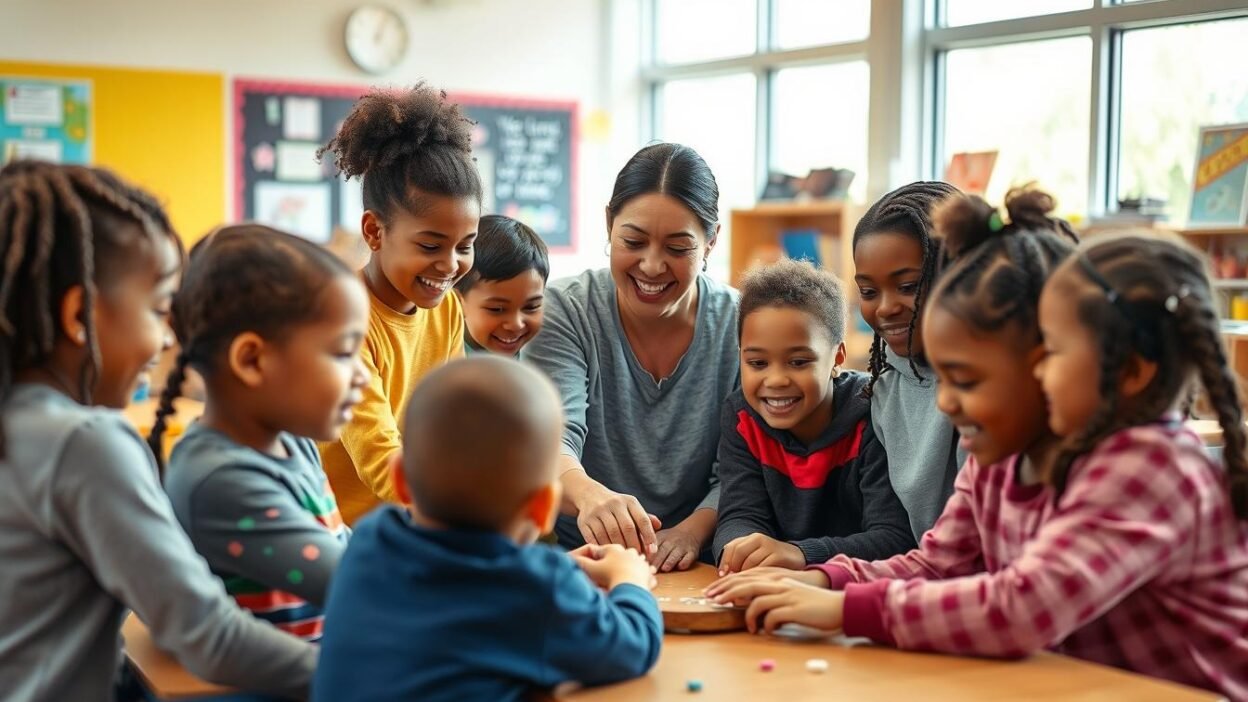
In today’s classrooms, inclusion is key. It’s backed by research and focuses on equal opportunities for all. Inclusive education lets every student fully participate, no matter their abilities or background. It’s the core of diversity and drives student success.
The Individuals with Disabilities Education Act ensures students with disabilities can learn alongside their peers. Today, we aim to include everyone in schools. We create environments where everyone feels they belong. This helps to cut down stereotypes and build trust.
Doing so leads to better attendance and fewer disciplinary issues. It also boosts the well-being of both students and staff. Everyone benefits from inclusivity.
This guide helps turn research into real actions. It covers strategies like Universal Design for Learning and peer mentoring to improve education for all. The aim is simple: make school a place where everyone is valued and can succeed. This shows the true value of inclusion for all students.
Creating an inclusive learning environment begins with understanding the diverse needs of children and the supports required to help them thrive. The Inclusive Education category on SpecialNeedsForU connects parents and educators with practical insights on adapting classrooms, promoting equal participation, and fostering a supportive school culture. To identify early developmental differences that influence inclusion, families can explore Special Needs Awareness and track age-appropriate growth through Developmental Milestones. For learners who face academic challenges, the Learning Disabilities section offers targeted strategies and evidence-based interventions. Parents seeking emotional and behavioural guidance to support inclusion at home can visit PsyForU, while caregivers aiming to build stronger routines, communication, and stress-free learning environments can rely on the mindset and productivity resources available at IntentMerchant. Together, these interconnected platforms help families and educators create classrooms where every child feels welcome, understood, and empowered to learn.
Key Takeaways
- Inclusive education advances educational equality and equity in education for every learner.
- Student success through inclusion grows when access, participation, and belonging are guaranteed.
- IDEA’s least restrictive environment anchors legal access while whole-school approaches extend inclusion to all identities.
- Fostering inclusivity reduces exclusions, stereotypes, and disengagement across diverse classrooms.
- Promoting inclusivity in schools improves attendance, behavior, and well-being for students and staff.
- Research-informed methods—UDL, differentiation, peer supports, and IEP alignment—turn principles into practice.
- Diversity in schools strengthens academic growth and healthy peer relationships for all students.
Defining Inclusive Education and Its Core Principles for Equitable Learning Environments
Inclusive education makes schools welcoming for everyone. It sees human differences as chances to learn. It starts with a question: what stops students from joining in fully, and how can we remove these barriers?
Schools create fair learning places by planning for all kinds of learners. They match support with what is taught at each grade.
In the United States, laws help students with disabilities learn with others as much as possible. But inclusion covers more: it’s about race, culture, language, gender identity, sexual orientation, and where you come from. Good inclusion answers to all these aspects, making sure all students have the same chances.
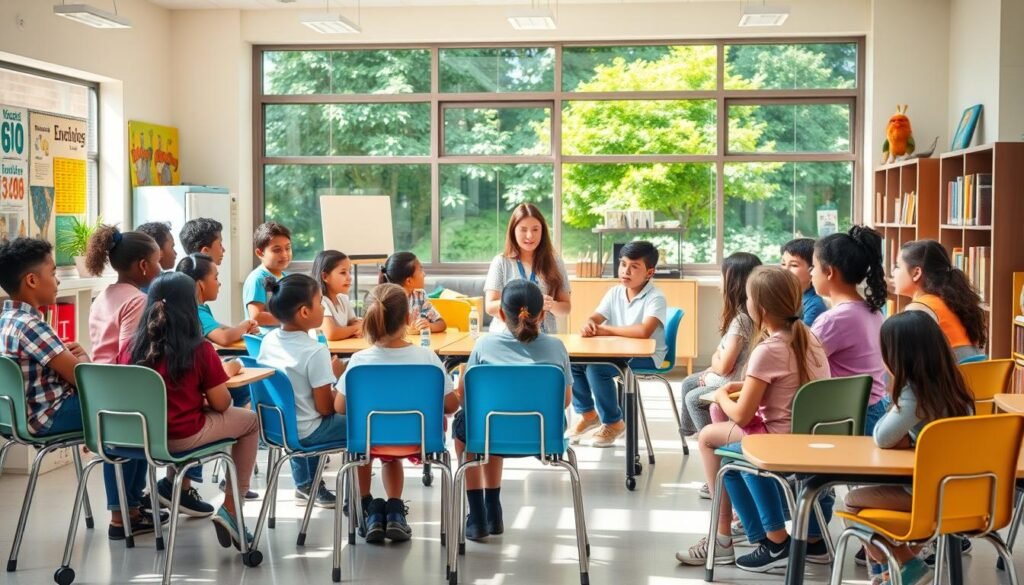
What inclusive education means in today’s diverse schools
Different is good in today’s classrooms. Teaching is flexible, tests are fair, and help is there when needed, not after the fact. Equality and belonging are part of everyday life: everyone expects the same, materials are easy to get, and everyone works together so all can take part.
By planning for everyone and giving specific help, schools are making learning fair right now. This means teaching that respects students’ ideas and gives everyone a real chance to learn.
Equality, diversity, access, and participation as guiding principles
- Equality and inclusion: respectful treatment and the same opportunities in all school activities.
- Diversity in education: lessons and examples from a variety of cultures, languages, and identities.
- Access and participation: easy ways to join in learning and active involvement in class.
- Accountability: regularly checking if support really helps make learning fair for everyone.
These ideas remind us that inclusive learning is key. It shapes policies and how we teach, not just once but all the time.
Collaboration, empowerment, and student autonomy in practice
Working together helps inclusive practices grow. Teachers, families, and students plan, set goals, and review progress together. Choices, feedback, and thinking over experiences help students learn to lead their learning.
Schools combine teamwork with help and tools to overcome learning obstacles. This way, learning goals stay clear, while making sure everyone has equal chances.
| Core Principle | Practical Moves | Impact on Learners |
|---|---|---|
| Equality and inclusion | High standards for all; tests that fit; clear rules for grading | Fair grades, clear ways to do well |
| Diversity in education | Books by various writers; stories from different cultures | More interest and pride in who learners are |
| Access and participation | Different ways to learn and show what you know; subtitles; visual aids | Being fully part of talks and projects |
| Collaboration | Teachers working together; partnering with families; students checking on their own progress | Help that makes sense at school and at home |
| Empowerment and autonomy | Options to choose from; tracking goals; looking back at your progress | Feeling in charge of your learning and eager to continue |
The Case for Inclusion: Diversity in Schools, Equity in Education, and Student Belonging
Public education becomes powerful when it sees diversity as a well of knowledge, culture, and creativity. It believes everyone should have equal chances to challenge, support, and community. Schools show true fairness when they actively support diversity every day, not just in their words.
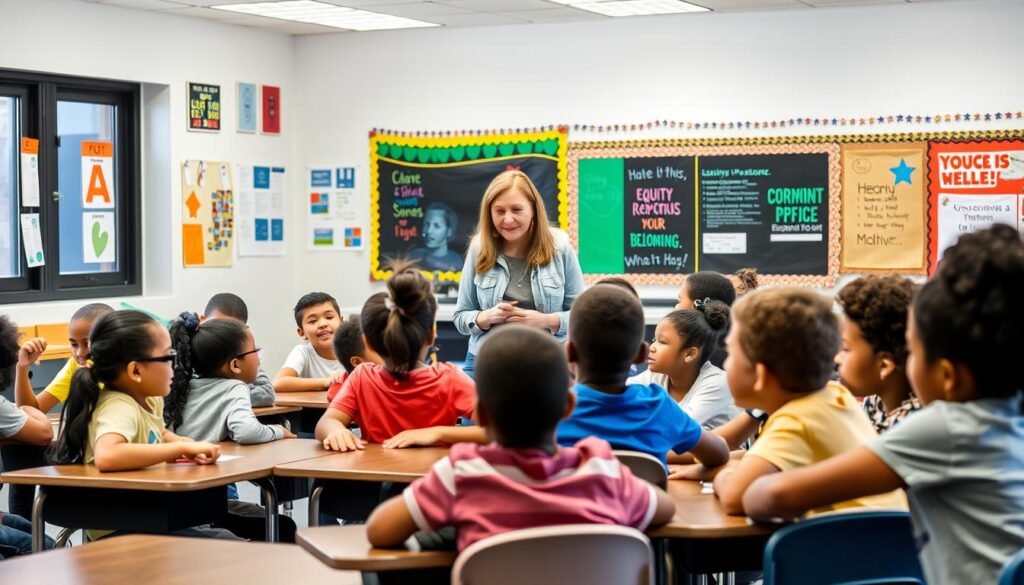
Studies have found that students feel like they belong more when adults create a trustworthy space, establish clear rules, and respect everyone’s identity. Schools that make students feel welcome see better attendance and more involved students. A friendly learning space lets students try new things and build strong friendships.
Being inclusive means focusing on respect, reflection, and everyone’s role, which helps reduce stereotypes. This approach makes communities stronger and teaches civic skills. It also keeps teachers happy because routines and good relationships reduce problems and let them teach better.
When schools make sure no one is left out and everyone has access to challenging lessons, everyone benefits. Students feeling recognized and secure is a sign things are going well. The efforts to include everyone can be seen in better attendance, how well students do in their classes, and how much they take part in school activities.
Key idea: Making a school welcoming isn’t just a one-time thing. It’s an ongoing effort that blends rules, teaching methods, and connections with families and the community. And it focuses on valuing diversity together.
| Focus Area | Why It Matters | Observable Signals | Practical Moves |
|---|---|---|---|
| Promoting diversity | Expands perspectives and reduces bias through daily exposure to varied identities and histories. | Inclusive texts, student voice in projects, respectful peer dialogue. | Curate materials reflecting local communities; invite multiple cultural narratives into units. |
| Equity in education | Ensures fair access to rigorous content, support, and participation for every learner. | Balanced enrollment in advanced courses; transparent supports and feedback. | Use flexible assessments; provide scaffolds without lowering expectations. |
| Student belonging | Connects identity, safety, and motivation, which drives engagement and persistence. | Higher attendance, fewer discipline referrals, stronger advisory relationships. | Adopt consistent routines; embed check-ins; affirm names, languages, and pronouns. |
| Creating a welcoming learning environment | Signals psychological safety, enabling academic risk-taking and collaboration. | Clear norms posted and practiced; peer support visible during tasks. | Co-create class agreements; teach discussion protocols; celebrate growth. |
| Fostering a sense of belonging | Strengthens connectedness that supports mental health and readiness to learn. | Positive climate surveys; active participation across student groups. | Mentoring structures; cooperative learning; timely, specific feedback. |
Why Inclusion Matters for ALL Students
Inclusive classrooms in the U.S. show why including everyone is key. They make learning like real life, make everyone feel they belong, and open up chances for all. With student equity in mind, teachers make sure every student can learn everything. The main point? Having different students together makes learning better for everyone.
Academic, social, and emotional benefits of inclusive classrooms
First, let’s talk about how inclusion helps in school subjects. Students get better by watching each other, talking over ideas, and solving problems together. Seeing different ways to do things improves skills in reading, math, and more.
Inclusive classrooms are also great for forming friendships and feeling confident. Students learn to work together, be patient, and talk clearly. This helps everyone feel good mentally and builds strong, respectful relationships.
Reducing exclusion to promote equity and access for diverse students
To include more students, schools are removing things that make learning hard. This could be confusing directions or things not everyone can use. They use things like pictures or notes that everyone can share to keep standards high and make sure everyone can join in.
When students can show what they know in many ways, it’s clear inclusion works. Having choices makes students care more. Planning for different needs makes sure no one falls behind.
Countering myths: inclusion supports all learners, not just special education
Some people think inclusion is only for students with disabilities. But actually, everyone benefits. Clear rules, working together, and regular feedback make the whole class more interested. Teachers see fewer problems when everyone respects each other and works together.
Families see stronger connections with schools too. Goals and help are clear, which shows inclusion is good for all students. This keeps fostering social inclusion going every day, not just once in a while.
Evidence of Benefits: Inclusive Classrooms, Student Well-Being, and Academic Gains
Studies in U.S. schools show big pluses of inclusive education. It’s not just about grades. Being inclusive helps students feel better and connect more every day. Beyond that, it boosts mental health and learning in key subjects.
School connectedness and mental health outcomes
Feeling connected to school means less depression and anxiety. Kids who feel included have higher self-esteem and safer relationships. This shows how inclusive classrooms make students feel more trusted and like they belong.
Adding things like advisory time and group circles helps keep the good vibes. Making inclusivity a daily thing improves how students interact and support each other.
Positive impacts of inclusive policies for all students, including LGBTQ youth
Rules that protect LGBTQ students lower bullying and distress. This makes things better for everyone, not just LGBTQ kids. Clear, fair rules make schools feel more welcoming for all.
Using inclusive language and showing visible support are key. These steps show how inclusivity helps the whole school thrive together.
Peer learning, empathy development, and improved math/reading progress
Working in mixed-ability groups helps kids share and learn together. Explaining things to a friend can make ideas clearer and boost empathy. Kids learn to be patient and respect different views, highlighting the perks of learning together.
Math and reading scores go up when kids work together often. Using group discussions and flexible groups helps everyone. It makes students feel good and supports inclusion, showing how diversity enriches learning every day.
- Peer explanation: reinforces memory and metacognition while promoting inclusion.
- Collaborative routines: increase participation and foster equitable talk time.
- Feedback cycles: align support with needs, sustaining academic momentum.
Building a Supportive, Inclusive School Environment
Shared norms shape culture. A truly inclusive school begins with clear expectations for safety, respect, and accountability. Students help design routines and conflict-resolution norms. This gives them a voice and responsibility, making the school more inclusive and fostering inclusivity in daily interactions.
Teachers build trust by understanding each student’s background, strengths, and goals. They use short surveys, one-on-one check-ins, and reflective conferences to learn students’ stories. These stories guide teachers in making the learning environment welcoming and supportive, fostering a sense of belonging.
Help should be easy to find and quick to access. Schools should clearly post tutoring schedules, office hours, and community resources in different languages. This makes these services tools for support, not just last-minute solutions.
Teamwork keeps the school moving forward. Teachers, administrators, and families need to work together, sharing strategies. Through development workshops and learning communities, they create a common language. This language helps sustain an inclusive environment over time.
Good leadership is key. Principals and district teams use Social Emotional Learning (SEL) to show acceptance and safety. Practices like warm greetings and emotion check-ins show inclusivity is a daily habit. This makes every student feel they belong.
Inclusive Practices in Education: From UDL to Differentiated Instruction
Inclusive teaching starts by designing for everyone, then adding extra help as needed. Schools maintain high standards and support all students by using well-tested methods.
Universal Design for Learning to remove barriers upfront
Universal Design for Learning (UDL) begins with flexible ways to learn and show understanding. It offers different ways to engage with materials and demonstrate learning. This helps remove obstacles before they become a problem.
This approach makes what’s expected clear, gives choices, and has built-in supports. So, helping diverse learners just becomes a normal part of planning lessons.
Differentiated instruction to meet varied learning needs
Differentiated instruction changes content, how we learn, and how we show what we know. It does this based on each student’s level, interests, and how they learn best. Teachers use different texts, adjust time, form groups in various ways, and give feedback.
This method, along with UDL, makes sure everyone can access learning in a fair way. It keeps challenging top students and includes those with special education needs without making things too easy.
Peer support, mentoring, and cooperative learning structures
Using structured peer support and teamwork helps build trust and responsibility. Cooperative learning and mentoring celebrate different strengths, allowing everyone to contribute.
These practices improve social skills, perseverance, and understanding of the material. They make students feel heard and included, which improves how inclusive education works in all subjects.
IEPs and personalized goals aligned with general education access
Individualized Education Programs (IEPs) create specific goals and support while making general education accessible. They aim for the least restrictive environment, letting students learn with their peers when possible.
Combining IEPs with UDL and differentiated learning helps identify and remove barriers. By adjusting the environment and adding resources, schools keep students involved.
| Practice | Primary Purpose | Key Moves | Evidence of Impact | Best Fit |
|---|---|---|---|---|
| Universal Design for Learning | Remove barriers at the design stage | Multiple engagement, representation, and action/expression | Higher access, reduced need for retrofits, broader participation | Course planning, unit design, assessment options |
| Differentiated instruction | Match instruction to learner readiness and profiles | Flexible content, process, products, and grouping | Improved growth across ability levels and interests | Daily lessons, tiered tasks, compacting and extension |
| Peer support & cooperative learning | Leverage social learning for mastery and belonging | Defined roles, mentoring, structured discussion protocols | Better engagement, collaboration, and retention | Group projects, labs, writing workshops, seminars |
| IEPs aligned to general access | Personalize goals while maintaining core standards | Accommodations, services, co-teaching, progress monitoring | Stronger outcomes for students with disabilities | Co-taught classes, inclusion blocks, targeted interventions |
- Plan with Universal Design for Learning to anticipate variability.
- Apply differentiated instruction to tailor pathways and products.
- Integrate peer structures to widen participation and feedback.
- Use IEPs to coordinate services that keep students in general education.
Creating an Inclusive Learning Environment and Promoting Belonging in Classrooms
Every learner deserves a space where they feel safe, fair, and open. An inclusive environment starts with honoring each student’s voice and taking shared responsibility. It’s about teachers and students working together to set norms, which helps everyone grow.
Classroom culture: safety, respect, and shared expectations
Make three to five clear rules using simple words. Build these rules with your students. Show what they mean during discussions, labs, and tests. This way, everyone knows what’s expected, and it builds trust and a sense of belonging.
Start and end class with quick check-ins. A thumbs-up, sideways, or down can tell teachers a lot. Adjusting based on these signals keeps everyone safe and respected.
Varied materials and activities reflecting student diversity
Give many choices like audio texts, videos with captions, and hands-on activities. Mix up tasks to keep things interesting and include everyone. This shows how diverse we all are and invites everyone to take part.
Pick materials that show different kinds of people and views. Use books and examples that talk about many cultures, beliefs, and backgrounds. Lessons then become more engaging and encourage brave thinking.
Encouraging student interaction and collaborative norms
Create ways for students to interact often without much risk. Try fun games, pairing activities, and changing who sits where. This helps students make more friends and feel less alone.
Directly teach how to work together well. Show them ways to listen, share turns, and use role cards. Learning to collaborate this way is fair and keeps everyone interested.
| Practice | Purpose | Concrete Moves | Outcome for Students |
|---|---|---|---|
| Co-created expectations | Shared accountability and safety | Draft norms together; define examples and non-examples | Stronger voice and promoting belonging in classrooms |
| Multimodal materials | Access for varied learners | Audio text, captioned media, tactile tools, visuals | Broader access and creating an inclusive environment |
| Culturally responsive content | Representation and relevance | Include authors and cases reflecting diversity in the classroom | Higher engagement and identity affirmation |
| Structured interaction | Peer connection and practice | Icebreakers, dynamic grouping, role cards | Reduced isolation and promoting inclusivity |
| Ongoing check-ins | Real-time adjustment | Entry/exit slips, quick polls, mood meters | Responsive teaching and inclusive classroom practices |
Supporting Diverse Learners: Special Education Inclusion and Student Support Services
Special education inclusion helps students learn with their peers in a setting that’s best for them. It combines high expectations with the right supports in general education. This way, everyone gets a fair chance and access to learning.
Supporting diverse learners means bringing together families, educators, and students to understand their needs. Through surveys, talking groups, and watching classes, schools find out what works. This helps direct support where it’s needed, at the right time.
Good leadership makes inclusion work. Leaders train teachers in how to teach differently, work together, and solve problems. They set up clear steps to change teaching, help, and schedules without hurting learning.
Individualized Education Programs (IEPs) set out goals, help, and services for fair chance in school. Using proven teaching methods with IEPs improves access to all school activities. Having peers help each other also creates a sense of belonging and responsibility.
Supports help with both schoolwork and other needs. Tutoring, meeting with teachers, and regular talks show how well students are doing. By working with community groups, schools offer more help and opportunities, inside and outside the classroom.
Student support works best when everything is well organized. Schools should have a clear way for students to get help, act quickly, and keep checking on progress. By working together, special education inclusion ensures all students can join in fully and fairly.
- Instructional alignment: co-planned lessons, accessible materials, and flexible assessments.
- Social supports: peer tutoring, structured group roles, and inclusive extracurriculars for fostering social inclusion.
- Family partnership: multilingual communication, goal-focused meetings, and transparent updates.
- Professional learning: ongoing coaching on differentiation and collaboration.
Leadership and Whole-School Inclusive Education Initiatives
Inclusive change starts with a bold promise to equality in education. School leaders like superintendents and principals aim to include every student. They focus on fostering inclusion and creating a positive school vibe.
This unity forms a school where policies, schedules, and resources support everyone.
Inclusive vision from district leaders and administrators
District leaders have a key role in backing inclusive education as essential. They make sure schools work to include everyone, from how students join to where they learn. Having clear roles, timelines, and open communication lets everyone know how they fit into the bigger picture.
- Set clear goals related to access, involvement, and success.
- Make sure money and staff support shared teaching and special help.
- Show how to use inclusive language and make decisions openly.
Professional development on cultural competence and SEL
Continuous education prepares teachers to meet individual student needs and support inclusion. Learning about cultural understanding helps in connecting with families and celebrating different backgrounds. Teaching social and emotional learning (SEL) makes schools safe and welcoming for all.
- Focus on being aware of biases and using healing methods.
- Mix SEL with lessons to make learning more engaging.
- Use real-life examples to teach these skills in various subjects.
Data-informed planning: evaluating current practices and setting strategy
Leaders look at data to improve and adjust inclusive teaching methods. They check on how things are going and find areas to get better in making school supportive. Looking at attendance, behavior, school climate, and grades helps plan for more equality in learning.
- Break down data to understand different student needs, like those learning English or with disabilities.
- Try new ideas in short phases and share how it goes.
- Get teachers, advisors, helpers, and families involved in making things better and promote inclusion.
With a clear focus, ongoing teacher development, and systematic review, schools evolve. They build strong systems that prioritize the needs of every student.
Technology and Assistive Tools: Advancing Equity and Access
Schools are now using tech tools to make learning open for everyone. By matching tools to what students need, they make sure everyone feels respected and can make choices. This helps everyone learn together and supports students of all abilities.
Assistive technology for visual, hearing, physical, and learning disabilities
There are tools for students who have trouble seeing. These include screen readers like Apple VoiceOver and NVDA, devices that make text bigger, and special TVs. For those who find it hard to hear, there are hearing aids and systems to make words clearer in class.
Students who move differently can use special keyboards and tools that follow eye movement. Those who find learning tough have tools to help them read and focus better. These tools make sure everyone has the same chance to learn in class.
Emerging tools that reduce barriers and improve outcomes
New tech like AI for note-taking and tools for live translation are changing the game. Tools that help read better and smart pens for organizing work are also making a big difference. These supports make sure all students can keep up.
Systems that track how well students are doing and virtual reality for tough concepts help a lot. They make learning easier for everyone, offering many ways to understand new ideas.
Integrating AT within inclusive classroom practices
Using these tools in lessons from the start is key. Teachers plan with everyone in mind, making sure tech helps meet education goals. This makes learning better from the beginning.
Getting these tools working well means training teachers and talking to families. Teams look at how well these tools are working and make changes if needed. This careful planning keeps classes welcoming and helpful for all students.
Inclusive Curriculum Development and Teaching Strategies
Inclusive curriculum development focuses on the importance of learning together. It involves integrating various teaching methods into planning. This helps improve inclusive education and makes learning spaces that welcome everyone.
Embedding diverse perspectives across subjects
Courses should include different kinds of texts, music, history, and scientific discoveries. This makes diversity a normal part of the classroom. It also helps all students understand more.
Teachers can use primary sources from Ida B. Wells together with articles from The Washington Post. They can also teach about NASA’s Katherine Johnson while discussing data literacy. These examples show the value of learning together and how it empowers students.
Designing equitable assessments and flexible demonstrations of learning
It’s good when assessments let students show what they know in many ways. These can be written, spoken, visual, done together, or by doing things. This supports inclusive education for different kinds of students.
Rubrics should value clear writing, good evidence, and logical arguments. This approach makes grading fair. It also helps create a learning environment where everyone can do well.
Student voice, autonomy, and empowerment through choice
Giving students choices in what they learn, how they learn, and how they show their learning builds ownership. This helps students feel more included when they help set goals and pick their resources. Their confidence grows with these choices.
Talking with families often helps make the lessons better over time. It keeps teaching methods up-to-date with what students need.
- Choice of topic: local issue analysis, biography study, or community data inquiry.
- Choice of process: solo research, peer collaboration, or interview-based fieldwork.
- Choice of product: podcast, data visualization, policy brief, or live demonstration.
| Practice | Purpose | Examples | Impact on Inclusion |
|---|---|---|---|
| Multimodal Materials | Broaden access and engagement | Audio of speeches by Amanda Gorman, graphic novels of U.S. history, simulations from PhET | Addresses diverse sensory needs; reinforces the importance of inclusive learning |
| Flexible Assessments | Fair evaluation across profiles | Podcast analysis, lab prototype, visual essay with citations | Supports inclusive education by honoring different ways of showing mastery |
| Culturally Sustaining Content | Affirm identities and perspectives | Latinx literature circles, Indigenous land acknowledgments in geography | Centers diversity in the classroom and strengthens belonging |
| Student Choice & Voice | Grow autonomy and motivation | Menu of project options, co-created rubrics, reflective journals | Fuels student empowerment through inclusion and engagement |
| Family Feedback Loops | Ensure relevance and alignment | Surveys in home languages, showcase nights, student-led conferences | Advances creating an inclusive learning environment through shared insight |
Conclusion
Inclusive education means fairness, not just a special program. It stands on three main ideas: access, participation, and belonging for all students. This approach makes schools welcoming places that help students learn and feel good.
When schools welcome all kinds of students and promote safety and respect, everyone does better. This way, inclusive education helps all learners, not just those with disabilities.
The proof is clear and useful. Feeling connected at school helps mental health and makes everyone feel like they belong. Inclusive policies respect everyone, including LGBTQ students. Working together in class helps students understand each other better.
Studies even show that all students, including those without disabilities, get better at math and reading. This shows how inclusive education is good for everyone, making schools fairer.
Change starts when schools work together in a new way. Leaders need to have a vision for including everyone. They should focus on understanding different cultures and emotional learning. They must also look at data to guide their plans.
Teachers should use teaching methods that work for all students, support each other, and use technology to help students who need it. These steps make teaching better for everyone.
Moving ahead means being kind and planned. Schools should get to know their students and use different ways of teaching. Working with families helps make everyone feel they belong.
Building an inclusive school is about equality, working together, letting students have a say, and being independent. This makes schools better for everyone in America. Inclusion is key to good education and helping students succeed for good.