

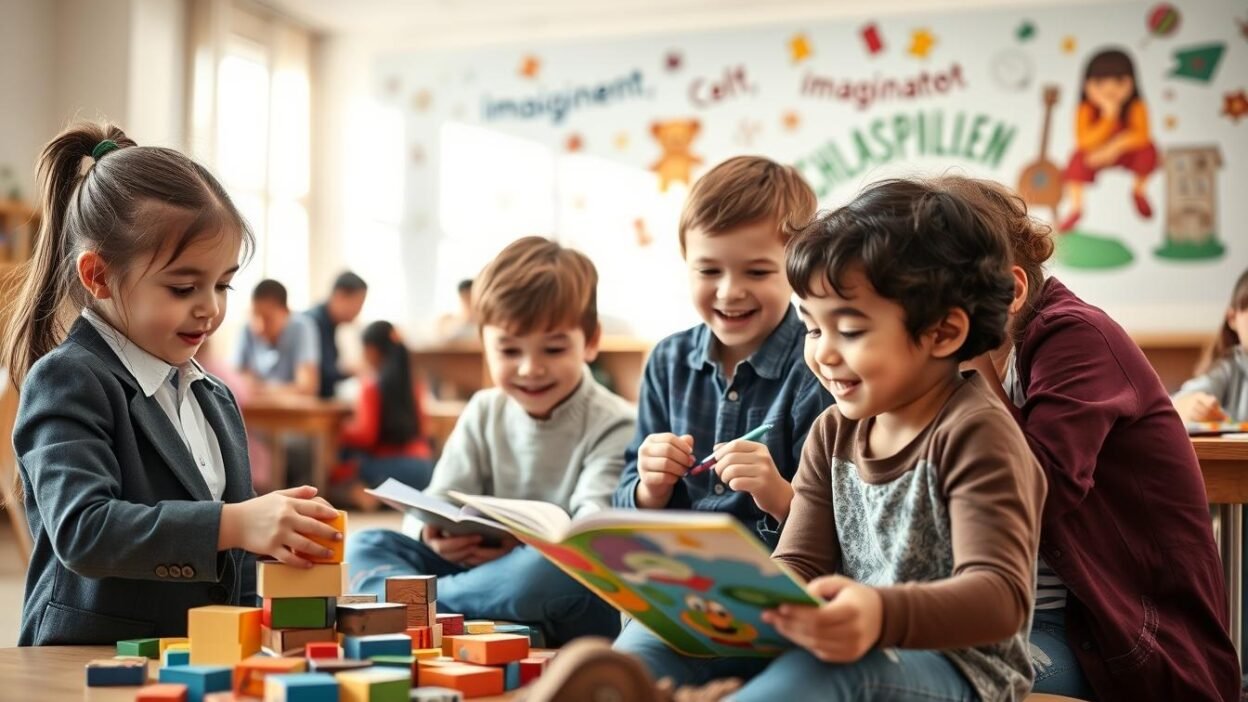
What if kids’ big temperament and behavior shifts aren’t about discipline? What if it’s about understanding their natural patterns?
Understanding kids’ temperament starts with an idea: it’s their early, built-in style of reacting, focusing, and adapting. This style is both stable and flexible. It influences mood, energy, and focus at home, school, and during play.
Based on research by Alexander Thomas and Stella Chess, we have nine core traits. These include activity level, rhythmicity, and whether a child approaches or withdraws, among others. Recognizing these traits helps reduce conflict, boosts empathy, and makes daily life smoother.
Creating an inclusive learning environment begins with understanding the diverse needs of children and the supports required to help them thrive. The Inclusive Education category on SpecialNeedsForU connects parents and educators with practical insights on adapting classrooms, promoting equal participation, and fostering a supportive school culture. To identify early developmental differences that influence inclusion, families can explore Special Needs Awareness and track age-appropriate growth through Developmental Milestones. For learners who face academic challenges, the Learning Disabilities section offers targeted strategies and evidence-based interventions. Parents seeking emotional and behavioural guidance to support inclusion at home can visit PsyForU, while caregivers aiming to build stronger routines, communication, and stress-free learning environments can rely on the mindset and productivity resources available at IntentMerchant. Together, these interconnected platforms help families and educators create classrooms where every child feels welcome, understood, and empowered to learn.
Knowing a child’s temperament helps adults provide the right support. For example, cautious kids do well with slow exposure to new things. Energetic kids need safe ways to use their energy. Sensitive kids benefit from predictable routines. The aim is to align kids’ temperament with learning and social skills over time.
Key Takeaways
- Temperament is a biologically rooted style that shapes how children respond to the world.
- Nine child temperament traits help explain patterns in focus, mood, and energy across settings.
- A good fit between adult expectations and a child’s profile reduces conflict and builds empathy.
- Temperament and behavior in kids influence learning, peer relations, and daily routines.
- The importance of temperament in child development lies in tailoring support, not forcing change.
- Simple adjustments—gradual exposure, clear cues, and structured outlets—produce sustainable progress.
What is Temperament?
Temperament is how kids react, focus, and get used to new things from a young age. It shows why some kids jump right into activities while others take a step back to watch. Looking through the temperament lens helps us get why kids act differently at home and in class.
Defining Temperament
Temperament is about the natural ways kids feel and act. It tells us about their energy, mood, and how they calm themselves. It’s about how kids deal with new stuff, their feelings’ intensity, and how long they can pay attention. Teachers look at these patterns in kids to learn more about them over time.
Knowing about temperament helps with making decisions at home and school. It guides us on how to pace activities, when to switch things up, and set right expectations. It also allows us to see differences in kids without judging them.
The Role of Genetics
Studies show that genes strongly affect our reactions and habits. Babies often show these traits right from the start, like how active or sensitive they are, and how they deal with changes. These traits help put kids into different temperament groups.
When experts check a child’s temperament, they consider these inborn traits. This method values each child’s unique start in life while keeping an eye on their growth.
Influences of Environment
What we go through shapes our natural traits. Regular routines help kids who don’t easily follow patterns. Quiet places are good for kids who get overwhelmed by too much noise. How grown-ups act and the signals they give shape how kids face challenges. This shows why it’s important to understand temperament in everyday life.
Culture plays a role in how we see kids’ behavior and what they need. When what kids are like matches what’s expected of them, things go smoother. Smartly using temperament checks helps tailor approaches to each kid, considering the many types of temperaments out there.
Types of Temperament
Researchers have identified three major types of temperament in kids to explain day-to-day behavior. These patterns help us understand common traits in kids, avoiding the use of labels. They show how adults can foster positive temperament with steady routines, careful guidance, and patient observation.
Easy Temperament
Kids exhibiting an easy temperament usually have a good mood, are of moderate intensity, and follow regular schedules for sleep and eating. They adapt to new environments and people with little trouble, fitting easily into school life.
For these kids, introducing them to new challenges, such as different tasks, social groups, and shared duties, is beneficial. This not only boosts their confidence but also encourages a positive temperament in diverse settings.
Difficult Temperament
Some kids show intense reactions, have varying moods, and don’t stick to a routine easily. They might act on impulse, not pay attention, or have frequent outbursts, especially with new experiences or changes.
Stability is key for them. Using clear signals, straightforward directions, and time to calm down helps manage tough moments. If a child’s behavior is worrying, checking in with a pediatrician can help. It can reveal if a child’s reactions are down to temperament or other issues, like stress. This understanding leads to better support, fostering a positive temperament.
Slow-to-Warm-Up Temperament
These kids are careful around new people and places. They prefer to observe first and might stick close to someone they trust in new situations.
Gentle introduction is effective: show them what to expect, offer choices, and talk through what’s happening as support. With time, what was once unfamiliar becomes known, helping them to join in more. This method matches their temperament, encouraging a more positive temperament over time.
Note: These groups are guides; lots of kids show mixed features—like being very active but generally happy. So, specific, thoughtful care is always needed in understanding a child’s temperament.
The Importance of Temperament
Temperament shapes how kids see the world and how the world sees them. It’s key in helping kids grow in learning, behavior, and trust. By linking kids’ temperament with daily routines, we can encourage a positive temperament through practice and patience.
Impact on Development
Temperament affects focus, self-control, and how we handle challenges. Intense kids might feel frustrated easily, but with help, they can turn that into excitement and determination. Kids who struggle with change need extra support, and those who thrive on routine do better with a stable schedule.
Schools also adjust based on these traits. Where a child is placed in class, what is expected of them, and their success are tied to their temperament. Knowing a child’s temperament lets teachers provide the right help, making a positive impact through clear instructions, options, and feedback.
Relationships and Social Interactions
These patterns also appear in social settings. Easygoing kids tend to blend into groups quickly and understand social cues well. Shy kids might take longer to fit in, needing quiet time and special introductions to friends. Spirited kids might bump into more disagreements but can learn to manage feelings and solve problems one step at a time.
How caregivers respond is important. Showing unconditional love helps kids feel secure and prevents misunderstandings, such as thinking a child is being stubborn on purpose. Different cultures value different traits—some like chattiness, while others prefer quiet. Promoting a child’s strengths and meeting their needs shows the value of understanding temperament in growing up. This helps match kids’ temperaments with the right environments, encouraging a positive outlook.
Identifying Temperament in Children
Parents and teachers often wonder how to recognize a child’s temperament without misjudging or wrongly labeling behaviors. A balanced mix of watching carefully and using detailed info helps. By observing kids’ temperament traits during daily activities, we can tune our support to meet their needs better.
Context matters: Look at behaviors at home, in school, and when changing activities. Temperament assessments for kids are most accurate when observations are consistent. This means looking at behavior over time and not just on a bad day.
Observational Techniques
Start by tracking traits of child temperament. There are nine key areas: how active they are, their routines, how they react to new people or situations, how easily they adjust, their emotional intensity, their general mood, how long they can focus, how easily they get distracted, and how they react to things like noise and light. Note what occurs before, during, and after significant moments.
- Demand contrast: Compare bedtime, mealtime, and playtime to see if difficulties are about regulating emotions or skill gaps.
- Stimulus sensitivity: Record how they respond to loud noises, bright lights, certain textures, or crowded places. Note how quickly they calm down after getting upset.
- Novelty response: Watch how they first react to new people, places, and things. See how quick they are to feel at ease again.
- Consistency check: Make sure the same behaviors are seen during the week, weekends, and with different people taking care of them.
To better understand a child’s temperament, keep short daily records. Quick notes about when and where something happened, what set it off, and how the child reacted will show patterns that are easy to miss otherwise.
Tools for Assessment
Good temperament assessments for kids need many views and structured tools. Checklists filled out by parents and teachers turn what they observe into profiles. These profiles highlight both strengths and areas to work on.
- Clinical review: Doctors look over the child’s development and health to rule out things like frequent sickness or ongoing stress.
- Cross-setting data: Combining reports from home and school helps avoid bias and shows which behaviors are consistent.
- Resource guidance: Books by experts like William Carey, Jan Kristal, and Helen Neville give tips on matching caregiving strategies to the child’s temperament.
When parents ask about determining their child’s temperament, these tools turn observations into useful insights. The aim is to adapt support to fit the child, not to change who they are.
| Dimension | What to Observe | High vs. Low Indicators | Assessment Aids | Practical Next Step |
|---|---|---|---|---|
| Activity Level | Movement during play, meals, and class | High: frequent motion; Low: prefers seated tasks | Daily logs; teacher ratings | Plan movement breaks between focused tasks |
| Rhythmicity | Regularity of sleep, hunger, and bathroom cues | High: predictable routines; Low: variable timing | Home routine charts | Anchor day with consistent wake, meal, and wind-down times |
| Approach/Withdrawal | First response to new people or settings | High approach: eager; Withdrawal: hesitant | Parent-teacher checklists | Offer previews and gradual exposure to novelty |
| Adaptability | Ease of shifting from one activity to another | High: smooth transitions; Low: needs extra time | Transition ratings across classes | Use visual timers and two-step warnings |
| Intensity | Energy of emotional reactions | High: big highs/lows; Low: subtle shifts | Emotion scale tracking | Teach scaling words and calming routines |
| Mood | Overall positive or negative tone | Positive: frequent smiles; Negative: frequent complaints | Daily affect check-ins | Build in mastery activities to boost positive affect |
| Attention Span | Time on task without prompts | High: sustained focus; Low: quick shifts | Timed work samples | Chunk tasks and set clear, short goals |
| Distractibility | Reaction to competing sights or sounds | High: easily pulled off task; Low: filters stimuli | Classroom seating trials | Reduce visual clutter and seat away from traffic |
| Sensory Threshold | Response to noise, light, textures, and touch | Low threshold: reactive; High threshold: unbothered | Sensory trigger logs | Adjust lighting, offer clothing choices, use noise dampening |
With systematic observation and focused assessments for kids, teams can accurately describe child temperament traits. This allows planning supports that truly meet each child’s unique needs.
How Temperament Affects Learning
Classrooms shine when they reflect how kids grow, considering their temperament. Teachers can lessen issues and boost kids’ will to learn by aligning tasks with their natural ways and learning styles. When both schools and families work together on this, kids show more interest and make better progress.
Learning Styles
How long a student can focus and how easily they get distracted plays a big role. Kids who lose focus easily do well with short tasks, looking them in the eye before giving instructions, and checking on them often. Connecting how kids learn to their goals makes success easier to achieve.
What feels okay for one student in terms of light, sounds, and smells might bother another. Some kids need quiet and less busy spaces, while others like lots of stimuli. Making these adjustments helps kids stay on track and shows we understand their unique needs.
Whether a kid is outgoing or shy also matters. Shy ones often watch first and then join in gently. The outgoing ones jump right in. Finding the right way for each student to start participating makes it real and meaningful for them.
- Practical moves: start instructions with the student’s name; use visual hints; give praise when they finish; introduce new tasks bit by bit.
- For sensitive learners: give warning in advance, set clear limits, and let them choose where to sit to feel better.
- For explorers: set up areas for asking questions, offer hands-on stuff, and give quick feedback.
Classroom Behavior
Kids who are always on the move need breaks to get their energy out. Those with unpredictable daily routines do better with a consistent plan they can see. Teaching calm behavior and giving feedback calmly is key for kids who feel things strongly.
Kids who find change hard need a heads-up before things change and chances to practice new activities. Trying new things a few times makes it less scary and keeps them moving forward. This approach makes what’s expected clear and reachable, while understanding how different kids grow.
- Assign tasks that burn energy in good ways.
- For predictable days, use timers, pictures, and posted plans.
- Give feedback that helps skills grow, with clear hints for what to do next.
- Make sure what’s done at home matches school—using names, simple steps, and cheering when done—to keep support solid.
The Connection Between Temperament and Emotions
A child’s emotions change based on their unique way of seeing the world. Understanding both temperament and behavior helps grown-ups know how to help. It shows us the role of temperament in a child’s feelings and actions.
When we get the types of temperament in kids, we can guide them right. This way, we don’t hurt their spirit. Instead, we help them grow in a positive way with our constant support.

Emotional Regulation
A child’s emotional intensity tells us how strong their reactions can be. For example, a kid with high intensity might yell when upset. Showing them how to stay calm helps them learn to control their feelings better over time.
Children get better at dealing with frustration when their world is predictable. Having routines and giving heads-up before changes help. Also, doing things like slow breathing with them keeps their nerves steady. This respects their temperaments and helps them in a kind way.
Keep feedback simple and clear, like saying, “Let’s speak softly,” rather than giving long talks. This approach makes the child feel understood and safe. It encourages them to manage their emotions better without feeling bad about having strong emotions.
Recognition of Feelings
How a child feels often influences how they see things. A child who often feels negative might see neutral things as bad. Telling them what they’re feeling, like being annoyed, and understanding them is key. Then, we can suggest what to do next.
Teaching kids to notice their body signs before an emotional burst is helpful. For loud events, using headphones or finding a quiet spot can help. These methods are respectful to the child’s nature and help them learn better ways to react.
How adults act in tough situations teaches kids a lot. Calmly dealing with problems, like a flat tire, shows them how to cope. Over time, kids learn from these examples, which helps them handle their own big feelings better.
Temperament and Parenting Styles
The “goodness of fit” concept is key. It means expecting things from kids that match what they can handle. This helps us understand how children’s temperaments work. It also lets us find parenting methods that suit different kids without blaming anyone. When we expect things that kids can do, we teach them to have a good temperament. We do this with daily routines and clear signals.
Tailoring Parenting Approaches
Kids who are always moving do well with planned activities. Create safe areas and set times for being outside. Switch between tasks and take short breaks for movement. Short instructions and visual lists from brands like Crayola or Post-it help keep their focus.
Kids who are more laid back need their time respected. Make transitions smooth, avoid calling them “lazy,” and guide them step by step. A timer like Time Timer can show the passing time in a gentle way.
Kids slow to accept change need previews. Share pictures of new places, practice conversations, and introduce new things bit by bit. Keep their daily routines the same and give them time to get used to new situations.
Kids with strong emotions look for calmness. Adults should talk softer, speak slower, and address one issue at a time. Teaching them to use calm words helps. Offer them choices to maintain their respect.
Strategies for Support
Using habits backed by research makes days go smoothly. It helps in teaching kids positive temperament:
- Call them by name, get their attention, and give clear, short guidelines.
- Go over the important points again. Then, have them repeat to ensure they understand.
- Guide them to the right behavior kindly, without getting mad or making them feel bad.
- Give them short breaks and remind them gently if needed.
- Applaud their effort and finishing tasks, not just how fast or easy it was.
Parents should embrace their child’s true self and adjust their expectations. Doing so deepens the understanding of a child’s temperament. It also improves how we approach parenting different kids.
- Learn about what makes up temperament.
- Measure your expectations and be aware of what you wish for without saying it.
- Align your hopes with what your child can do right now.
- Plan out goals together using easy, agreed-upon terms.
Talking points can help others understand and react better. Try saying, “He needs a bit of time to get used to changes,” or “She can focus better after moving around a little.” These phrases promote understanding of a child’s temperament. They also build a respectful relationship between home, school, and community.
Adapting to Different Temperaments
It begins by watching closely. By looking at daily life, how kids act with friends, and how they react to stress, we figure out their temperament. This helps us use respect, not control, to guide them. We focus on responding to their needs to bring out their best.
Where you live and go to school shapes which behaviors are liked or not. We change our support based on what’s around us and the kid’s needs. It’s not about fixing them, but giving them more ways to be themselves.
Flexibility in Interactions
Kids act differently depending on the situation. A shy child might feel okay with a new teacher if the school is friendly but feel overwhelmed in a noisy gym. Adults should stay open-minded. They watch for signs of stress and adapt their approach to fit the moment.
- Anticipate variability: Expect changes throughout the day; adjust after switching activities.
- Adjust without judgment: Talk softly, give simple directions, and use laughter to ease tension.
- Fit before fix: Choose activities that match the child’s energy and needs to help them stay involved.
At the beach, one boy got to explore safely, while another child learned to enjoy the water slowly. These examples show how different approaches can help kids feel safe and learn to manage their feelings.
Problem-Solving Techniques
Make plans with the child that build on what they’re good at. This helps us see their true character through their actions, not guesses. It also encourages their best qualities.
- Transitions: Offer chances to try things more than once; explain what will happen next; use a countdown for changes.
- Distractibility: Break tasks into smaller parts; use reminders like Post-it notes; keep distractions away.
- Low sensory thresholds: Make things less noisy and bright; offer headphones from 3M to block noise; warn them about things that might bother them.
- Negative mood: Focus on what they like; create moments of success; lower demands that make things worse.
Keep a log noting the time, what caused a reaction, what you did, and what happened. After a week, you’ll see patterns. These help tailor your approach to their needs. It helps kids show their best side both at home and school.
The Role of Temperament in Friendships
Friendships bloom where kids share interests and feel safe. Understanding a child’s temperament helps adults create moments for kids to make friends. Keeping routines clear, using gentle prompts, and showing calmness can help friendships grow.
Making and Maintaining Friends
Some kids adapt quickly and do well with changing roles and rules. They shine in settings where things are flexible.
Kids who are slow to warm up need clear introductions and time to get used to new things. Simple actions, like giving a tour or pairing them up, make socializing easier for them.
Kids with lots of energy do great when they can help out or take on roles. When adults explain their needs, it’s easier for their friends to understand them.
- Entry strategies: practice how to say hi, find a role, and join in at the right time.
- Stick-with-it supports: quick check-ins, signs for taking turns, and know the rules of the game.
- Bridge adults: teachers and parents help by giving prompts that make playing together smoother.
Navigating Conflicts
Some kids get upset fast, leading to arguments. Using short phrases can help cool things down. Adults set the example by staying calm, keeping it short, and making eye contact.
Talking things through quickly after a disagreement helps everyone move on. Having the same rules at home and school, and guiding without making kids feel bad, keeps friendships strong.
With time, traits considered challenging can become strengths. Viewing temperament positively lets others see a kid’s persistence and creativity as a gift.
| Temperament Profile | Common Peer Entry | Helpful Adult Support | Conflict Script | Maintenance Tip |
|---|---|---|---|---|
| Easy/Flexible | Reads cues and adapts fast | Rotate roles to prevent over-accommodation | “I can include you after this turn.” | Use group norms and clear time limits |
| Slow-to-Warm-Up | Observes before joining | Structured introductions and repeated exposures | “I’m not ready yet; I’ll join after we watch once.” | Offer predictable routines and a buddy system |
| Feisty/High-Intensity | Enters with strong energy | Coach turn-taking and timed entry points | “I feel rushed; I need space. Then I’ll trade.” | Provide roles that channel momentum |
| Low Frustration Tolerance | Withdraws or escalates quickly | Short instructions, calm tone, eye contact | “I’m upset. I need a pause, then we solve.” | Visual timers and step-by-step plans |
| Sensory-Sensitive | Avoids noisy or crowded play | Quiet zones and gentle transitions | “It’s loud for me; let’s move to a calm spot.” | Offer choice of space and smaller groups |
By focusing on different temperaments, we can create a world where friendships start, heal after problems, and get stronger.
Influencing Temperament Through Experiences
Every day, the moments we create shape a child’s traits. By crafting routines, spaces, and options with thought, adults emphasize temperament’s role in development. They make settings that fit with a child’s temperament and how they learn, boosting positive traits. This approach respects each child’s unique speed and likes.
The Impact of Play
Play introduces challenges and safe ways to practice. A shy kid can watch first, then play, gaining trust gradually. Active kids get to use their energy with outdoor activities that have rules and roles.
Play that’s mindful of senses helps avoid overwhelm: soft lights, calming sounds, and clear spaces help kids focus. Games for two let quiet kids practice sharing and looking others in the eye without stress. These methods are made to match a child’s temperament and way of learning.
Kids explore on their own terms—like playing in the sand, building with blocks, or creating in a makerspace—and feel in charge. Adults watch over them while setting boundaries, letting kids try out ideas and become more confident. This way, kids see the value of their own temperament.
Role of Education
School environments influence how kids act throughout the day. A regular schedule helps kids who struggle with change; seeing plans and getting a heads-up reduces their worry. Taking short breaks for movement turns restlessness into concentration, while quiet spots help those who get overwhelmed easily.
Teaching can reflect kids’ temperaments and learning styles: group work for cautious ones, debates for talkative kids, and choice boards to fit their interests. Trying new things slowly builds their confidence without overwhelming them.
When feedback is clear, kids use their strong feelings to drive them forward. Seeing adults handle problems calmly and sharing tips helps kids use their energy to reach goals. This method supports the development of their temperament and encourages positive traits.
| Temperament Trait | Play-Based Support | Classroom Strategy | Expected Benefit |
|---|---|---|---|
| Cautious/Slow-to-Warm | Observe-then-join games with predictable rules | Preview tasks; structured collaboration with clear roles | Confidence with novelty; steady participation |
| High Activity | Obstacle courses; role-play with movement goals | Movement breaks; kinesthetic stations | Better focus; productive energy use |
| Low Sensory Threshold | Sensory-aware play: soft textures, controlled noise | Quiet corners; noise-dampening tools | Reduced overload; sustained attention |
| Low Rhythmicity | Short, repeated routines within games | Predictable schedule; visual timers | Smoother transitions; reduced anxiety |
| High Reactivity | Coached turn-taking with labeled feelings | Clear feedback; modeled self-regulation | Channelled motivation; goal-directed effort |
Understanding Cultural Influences on Temperament
Culture affects how adults see children’s behavior and how kids react. Noticing which traits are praised or questioned by a community is key when looking at children’s temperament. It shows how important temperament is in child development in various settings.
Families help define what “fits.” Being quietly patient may be seen as respectful in one place, but speaking up is viewed as confident in another. By understanding different temperament types, we learn that norms shape what is expected and how children’s traits are seen and developed.
Variations Across Cultures
Cultural values highlight certain behaviors. In East Asian schools, being attentive and quiet is valued. However, in the U.S., being assertive is often praised. This affects how we understand children’s temperament by showing which behaviors are seen as suitable for school or play.
Context changes how we view risk and safety. In areas viewed as more dangerous, adults might value alertness and toughness. A quiet child might seem too vulnerable here. But in more peaceful areas, a child who speaks out a lot might disrupt group activities. These differences show how temperament plays a role in child development, affecting how peers and teachers see the child.
| Cultural Lens | Valued Behaviors | Possible Misread | Supportive Response |
|---|---|---|---|
| Collectivist classrooms | Harmony, turn‑taking, calm focus | Assertive child seen as disruptive | Model soft starts and structured sharing |
| Individualist classrooms | Initiative, debate, self‑expression | Quiet child seen as disengaged | Provide warm‑up time and low‑pressure entry points |
| High‑risk neighborhoods | Alertness, toughness, fast responses | Mild child seen as unprepared | Teach situational awareness with calm practice |
| Low‑risk communities | Politeness, patience, slow pacing | Outspoken child seen as overpowering | Channel energy with clear turns and roles |
Respecting Individual Differences
In the same family, siblings can be very different. One might jump right in, while another takes time to get comfortable. Caretaking that adjusts to each child’s needs shows the role of temperament in development. It involves setting expectations and guiding consistently.
Public misunderstandings can unfairly label natural behaviors. Caregivers can use calm and polite explanations to help others understand. For example, they might explain, “She opens up after a bit,” or “His clear speaking is a strong point.” This approach helps everyone see the child’s true self and offers helpful strategies.
- Use clear and positive words to show it’s okay to be different.
- Help kids learn the norms by practicing specific actions.
- Present traits as positives with the right structure and options.
Adjusting settings to fit a child’s needs helps them achieve without losing their identity. Here, understanding temperament and fairness come together. It creates environments that suit every child. This also builds trust in various communities and classrooms.
Professional Guidance and Support
Experts help families put insights into action. Understanding a child’s temperament aligns expectations, routines, and reactions with their natural tendencies. By combining temperament assessments and observations, parents can identify patterns. This leads to strategies that lower conflict and boost confidence.
When to Seek Help
Visit a pediatrician if behavior disrupts daily life or learning, if mood swings or outbursts get worse, or if stress and sickness often happen. Professionals can tell if it’s temperament or something else, like anxiety or ADHD. They use interviews and scales to understand a child’s temperament, guiding what to do next without labeling the child.
Resources for Parents and Educators
Books like William Carey’s Understanding Your Child’s Temperament, Jan Kristal’s The Temperament Perspective, and Helen Neville’s Temperament Tools turn research into useful tips. Tools for parents and teachers identify traits and help plan care that fits a child’s needs. This approach involves learning about temperament, thinking about adult attitudes, adjusting expectations, and setting goals with the child.
Temperament assessments give useful details. With these insights and guidance, schools and families can create peaceful routines, improve focus, and encourage polite talks. Recognizing a child’s temperament and responding with understanding and structure helps children become resilient, learn deeply, and form lasting, healthy relationships.
FAQ
What does “Understanding Temperament in Children” mean, and why does it matter?
Understanding a child’s temperament means seeing how kids naturally act, feel, and stay focused. It’s important because knowing a child’s temperament helps avoid conflicts. It guides us in choosing the right ways to raise different kids. Plus, it supports their learning and friendships over time.
What is temperament in child development?
Temperament is about the natural ways kids show their feelings and react to things. It shapes how a child deals with new things, handles strong feelings, and keeps focused. This sets the stage for their personality and actions as they grow.
How do genetics influence temperament?
Kids are born with their temperaments. Genes play a big role in shaping qualities like how active, emotional, or open to change they are. This is why some kids are seen as easy-going, lively, or shy right from the start.
How does the environment shape a child’s temperament and behavior?
What kids go through, how caregivers act, their health, and their culture can change the way their temperament shows up. Stable routines, slow introductions to new things, and settings that are aware of their senses. All these can help kids do their best without changing who they are.
What are the main temperament types in children?
Kids often fit into three basic kinds: easy or flexible, difficult or lively, and shy or cautious. But, it’s more complex; most kids mix traits from nine different areas.
What characterizes an easy or flexible temperament?
These kids are usually happy, have steady habits, and get used to new places and people quickly. They often find it easy to meet what school expects of them and feel less upset in tough situations.
What defines a difficult, active, or feisty temperament?
Kids with this temperament can be very intense, often feel moody, act without thinking, and have irregular habits. They might strongly resist changes. They often need extra help with moving between activities, managing emotions, and having a routine.
What does slow-to-warm-up or cautious temperament look like?
These kids might pull back in new situations and take their time getting used to things. With gentle, step-by-step help and understanding, they slowly get more comfortable and involved.
Why is temperament important for child development?
A child’s temperament affects how they learn, pay attention, control themselves, and handle challenges. Matching what we expect from them to what they can do helps them become strong, learn well, and have fewer conflicts no matter where they are.
How does temperament affect relationships and social interactions?
Easy kids make friends fast; shy kids need time and help meeting others; lively kids could use tips on how to talk and solve problems calmly. Understanding and support help prevent wrong labels and build strong friendships.
How can caregivers identify a child’s temperament traits?
Watch how your child acts in different situations and notice patterns in nine areas, like their energy, routine, reactions to new experiences, how easy they adjust, their emotional level, mood, focus, how easily they get distracted, and what senses affect them the most. Look at how they act at home, school, and during changes.
What temperament assessments for kids are available?
There are surveys and lists that parents and teachers can fill out to understand a child’s strong and weak points. Experts also consider the child’s development and health to tell apart temperament from medical or stress issues.
How does temperament influence learning styles?
A child’s focus and how easily they get distracted suggest the best length and setup for tasks; how sensitive they are influences how well they handle noise and lights; their approach to new things and how easily they adjust shape if they’re better in groups or on their own.
What classroom strategies support different temperament profiles?
Some good ideas are to offer breaks to move for those who are very active, use visual plans for those less tied to routine, give calm feedback for intense reactions, have quiet spots for those sensitive to senses, and introduce new things slowly for cautious learners.
How is temperament linked to emotional regulation in kids?
How strongly kids feel emotions shows in their reactions. Showing calmness, having predictable routines, and teaching kids to control emotions together help them deal with upsets and bounce back after tough times.
How can adults support a child’s recognition of feelings?
Name feelings, understand what they’re going through, and teach them to be aware of their inner cues. Get ready for sensory challenges and guide them gently to handle feelings without feeling bad about themselves.
How should parenting strategies adapt to different temperaments?
Find the right fit: set expectations that match what your child can really do. Offer safe ways for active kids to let out energy, take it slow for shy ones, and give calm guidance for those who feel things strongly.
What practical strategies help with temperament and behavior in kids?
Give simple, direct instructions and make eye contact, repeat and explain if needed, redirect them calmly, allow breaks, and applaud when they finish. These steps enhance self-control and confidence.
How can caregivers stay flexible across different situations?
Be ready for things to change and keep an open mind. Change up routines, what you ask of them, and the setting rather than trying to change the child. Little, consistent tweaks often lead to big improvements.
What problem-solving techniques work for common challenges?
For moving between activities, try short repeats of exposure. For distractibility, break tasks into smaller parts with visual help. For sensitivity, lessen sensory input and prep in advance. For a bad mood, help find ways to engage positively.
How does temperament shape making and maintaining friends?
Easy kids quickly join in with others. Shy kids do well with planned intros and repeated chances. Lively kids benefit from advice on how to join in, wait their turn, and speak kindly.
How can adults help children navigate peer conflicts?
Practice calm responses, show how to stay controlled, and talk after conflicts to spot triggers and solutions. Align rules at home and school for consistent relationships.
What is the impact of play on temperament and learning?
Play lets shy kids face things bit by bit and offers active kids safe ways to explore. Playing with awareness of senses eases overload and helps grow confidence, decision-making, and social-emotional skills.
How can schools support temperament and learning styles?
Use stable routines, breaks for movement, quiet areas, and planned teamwork. Give clear responses and introduce new things slowly to turn strong reactions into focused motivation.
How do cultural values influence temperament and behavior in kids?
Different cultures may value obedience or independence more. This influences how grown-ups see and respond to kids’ traits, affecting what they expect, the help they give, and chances for kids to fit in.
How can families respect individual differences among siblings?
Parents should vary their approaches, adjusting how they handle routines, pace, and demands to fit each child’s unique way. Teach others to understand with easy explanations like “She needs a little time to get used to things.”
When should caregivers seek professional help?
If a child’s behavior really affects their daily life, their emotions get much stronger, or health and stress might be factors, it’s smart to ask for advice. Doctors and specialists can help figure out if it’s temperament or something that needs more attention. Nature vs Nurture in Development
What resources support understanding child temperament traits?
Some good books are William Carey’s “Understanding Your Child’s Temperament”, Jan Kristal’s “The Temperament Perspective,” and Helen Neville’s “Temperament Tools.” They offer ways to match parenting to a child’s nature with real-life tips.
How can parents promote positive temperament in children over time?
Start by learning about temperament. Check how you think about it, align what you expect with the real situation, and make goals together with your child. Being consistent in support helps kids become resilient, enjoy learning, and build strong relationships.